
Alfred Hochedlinger
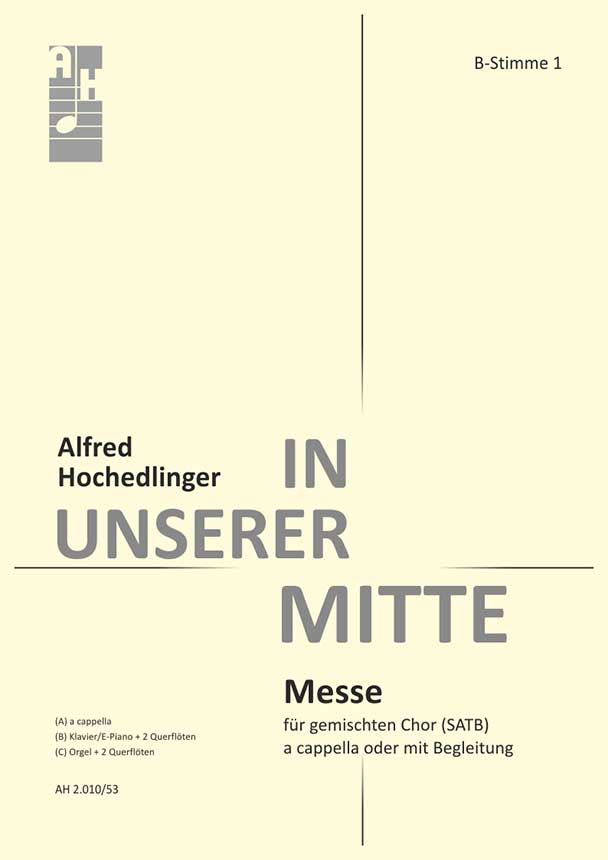
Messe In unserer Mitte
für gem. Chor a cappella (Instrumente ad lib)
NEW
Demo
listen
Video
view
Alfred Hochedlinger
Messe In unserer Mitte
für gem. Chor a cappella (Instrumente ad lib)
- Instrumentation Mixed Choir (SATB)
- Optional Instrumentation Mixed Choir (SATB) and Instrument
- Composer Alfred Hochedlinger
- Lyricist Alfred Hochedlinger
- Edition Instrumental Part: Bb Instrument 1
- Publisher Alfred Hochedlinger
- Order no. AH2010-53
 ships within 4-8 working days
incl. tax,
excl. shipping costs
Not available in all countries. Learn more
Description:
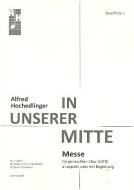
Part B-1 (Flute 1 transposed) for the Mass for Mixed Choir (SATB), a cappella or with accompaniment (piano or organ, flutes, and bass instrument ad lib).
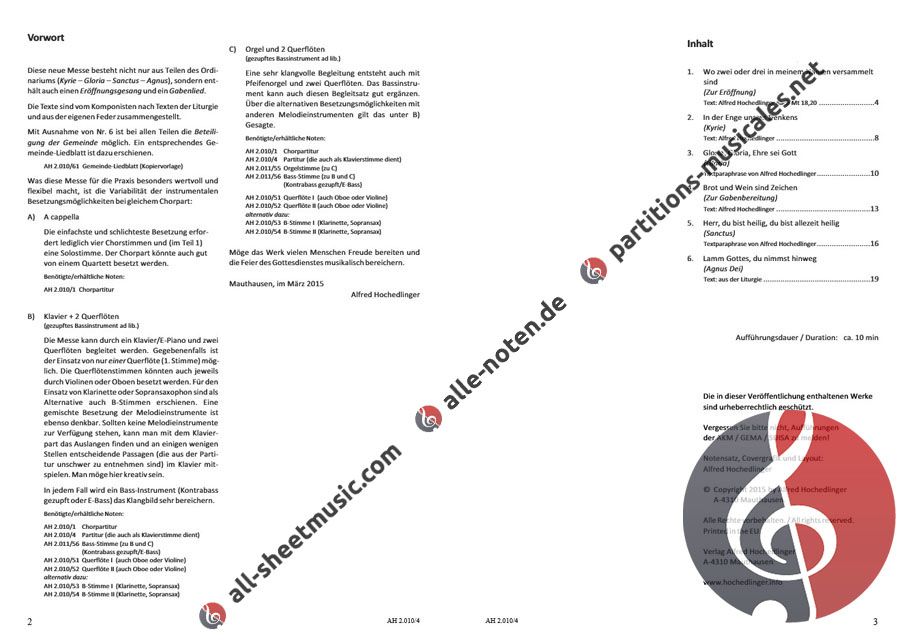
In addition to parts of the Ordinary (Kyrie—Gloria—Sanctus—Agnus), this Mass also includes an opening hymn and a offertory hymn. The texts were compiled by the composer from liturgical texts and his own compositions. With the exception of No. 6, congregational participation is possible in all movements.
What makes this Mass particularly valuable and flexible for practical use is the variability of instrumental instrumentation options while maintaining the same choral part:
A) A cappella
The simplest and most basic instrumentation requires only four choral parts and (in Part 1) one solo part. The choral part could also be performed well by a quartet.
Required/Available Sheet Music
AH 2.010/1 Choral Score
B) Piano + 2 flutes (plucked bass instrument ad lib.)
The Mass can be accompanied by a piano or electric piano and two flutes. If necessary, only one flute (1st part) may be used. The flute parts could also be performed by violins or oboes. As an alternative, B-flat parts have also been published for clarinet or soprano saxophone. A mixed ensemble of melody instruments is also conceivable. If no melody instruments are available, the piano part alone may suffice, and in a few key passages (which are easily identified in the score), the pianist can play along with the piano part. Feel free to be creative here.
In any case, a bass instrument (plucked double bass or electric bass) will greatly enrich the sound.
Required/available sheet music:
AH 2.010/1 Chorus score
AH 2.010/4 Score (which also serves as the piano part)
AH 2.011/56 Bass part (for B and C) (plucked double bass/electric bass)
AH 2.010/51 Flute I (also oboe or violin)
AH 2.010/52 Flute II (also oboe or violin)
Alternatively:
AH 2.010/53 B-flat part I (clarinet, soprano saxophone)
AH 2.010/54 B-flat part II (clarinet, soprano saxophone)
C) Organ and 2 flutes (plucked bass instrument ad lib.)
A very resonant accompaniment can also be achieved with a pipe organ and two flutes. The bass instrument can also complement this accompaniment well. The remarks under B) apply to the alternative instrumentation options with other melody instruments.
Required/available sheet music:
AH 2.010/1 Choral score
AH 2.010/4 Score (which also serves as the piano part)
AH 2.011/55 Organ part (for C)
AH 2.011/56 Bass part (for B and C) (plucked double bass/electric bass)
AH 2.010/51 Flute I (also oboe or violin)
AH 2.010/52 Flute II (also oboe or violin)
alternatively:
AH 2.010/53 B-flat part I (clarinet, soprano saxophone)
AH 2.010/54 B-flat part II (clarinet, soprano saxophone)
The work was included in the program of the Church Music Workshops of the Diocese of Gurk-Klagenfurt and was enthusiastically received by the participants; it has also been broadcast several times as part of radio church services.
In addition to parts of the Ordinary (Kyrie—Gloria—Sanctus—Agnus), this Mass also includes an opening hymn and a offertory hymn. The texts were compiled by the composer from liturgical texts and his own compositions. With the exception of No. 6, congregational participation is possible in all movements.
What makes this Mass particularly valuable and flexible for practical use is the variability of instrumental instrumentation options while maintaining the same choral part:
A) A cappella
The simplest and most basic instrumentation requires only four choral parts and (in Part 1) one solo part. The choral part could also be performed well by a quartet.
Required/Available Sheet Music
AH 2.010/1 Choral Score
B) Piano + 2 flutes (plucked bass instrument ad lib.)
The Mass can be accompanied by a piano or electric piano and two flutes. If necessary, only one flute (1st part) may be used. The flute parts could also be performed by violins or oboes. As an alternative, B-flat parts have also been published for clarinet or soprano saxophone. A mixed ensemble of melody instruments is also conceivable. If no melody instruments are available, the piano part alone may suffice, and in a few key passages (which are easily identified in the score), the pianist can play along with the piano part. Feel free to be creative here.
In any case, a bass instrument (plucked double bass or electric bass) will greatly enrich the sound.
Required/available sheet music:
AH 2.010/1 Chorus score
AH 2.010/4 Score (which also serves as the piano part)
AH 2.011/56 Bass part (for B and C) (plucked double bass/electric bass)
AH 2.010/51 Flute I (also oboe or violin)
AH 2.010/52 Flute II (also oboe or violin)
Alternatively:
AH 2.010/53 B-flat part I (clarinet, soprano saxophone)
AH 2.010/54 B-flat part II (clarinet, soprano saxophone)
C) Organ and 2 flutes (plucked bass instrument ad lib.)
A very resonant accompaniment can also be achieved with a pipe organ and two flutes. The bass instrument can also complement this accompaniment well. The remarks under B) apply to the alternative instrumentation options with other melody instruments.
Required/available sheet music:
AH 2.010/1 Choral score
AH 2.010/4 Score (which also serves as the piano part)
AH 2.011/55 Organ part (for C)
AH 2.011/56 Bass part (for B and C) (plucked double bass/electric bass)
AH 2.010/51 Flute I (also oboe or violin)
AH 2.010/52 Flute II (also oboe or violin)
alternatively:
AH 2.010/53 B-flat part I (clarinet, soprano saxophone)
AH 2.010/54 B-flat part II (clarinet, soprano saxophone)
The work was included in the program of the Church Music Workshops of the Diocese of Gurk-Klagenfurt and was enthusiastically received by the participants; it has also been broadcast several times as part of radio church services.
Customers rated this product:
Manufacturer Information:
Alfred Hochedlinger
Promenade 7
4310
Mauthausen
Österreich
Related products:
- Mixed Choir (SATB)
- Instrumental Part: Bb Instrument 2
- Alfred Hochedlinger
-
ships within 4-8 working days
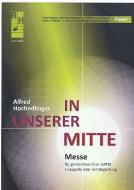
- Mixed Choir
- Score and Parts
- Alfred Hochedlinger
-
in stock
ships within 1-2 working days
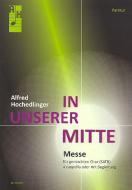
- Mixed Choir
- Score
- Alfred Hochedlinger
-
in stock
ships within 1-2 working days
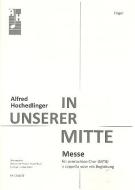
- Mixed Choir
- Organ Score
- Alfred Hochedlinger
-
in stock
ships within 1-2 working days
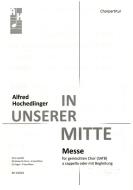
- Mixed Choir
- Choral Score
- Alfred Hochedlinger
-
in stock
ships within 1-2 working days
- Mixed Choir
- Instrumental Part: Flute 1
- Alfred Hochedlinger
-
in stock
ships within 1-2 working days
- Mixed Choir
- Instrumental Part: Flute 2
- Alfred Hochedlinger
-
in stock
ships within 1-2 working days
- Mixed Choir
- Instrumental Part: Double Bass
- Alfred Hochedlinger
-
in stock
ships within 1-2 working days