
Carl Michael Ziehrer
Fürst Karol Marsch op. 195
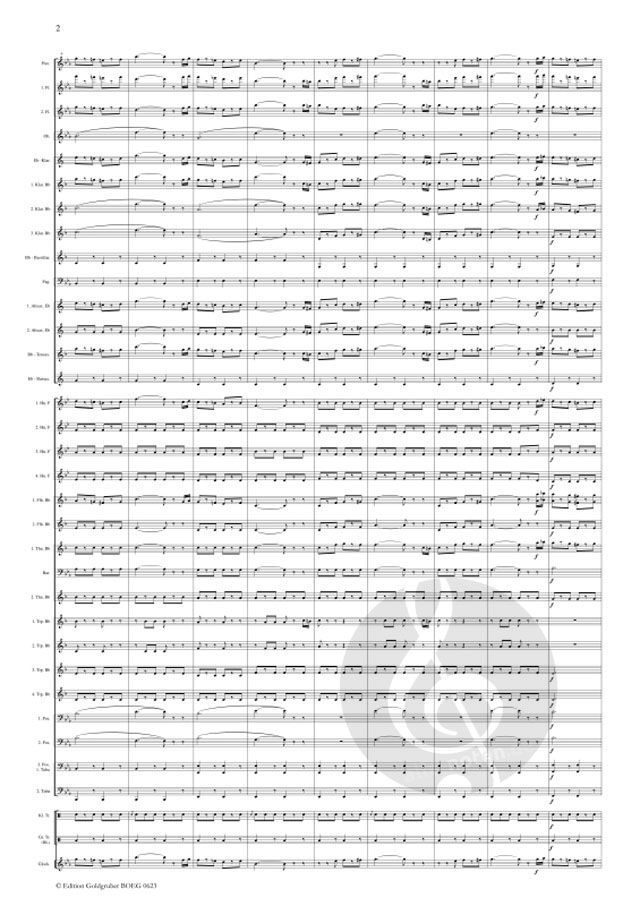
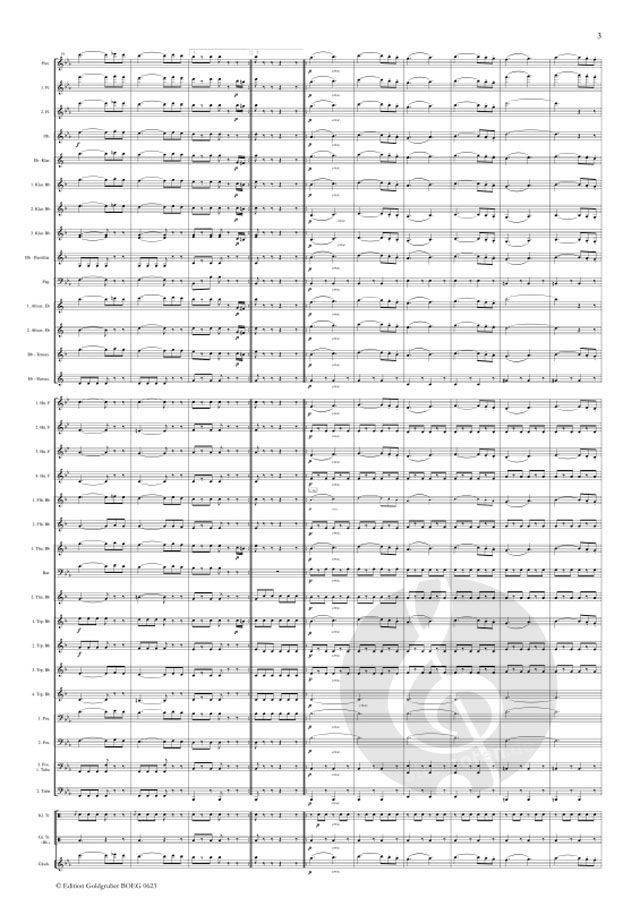
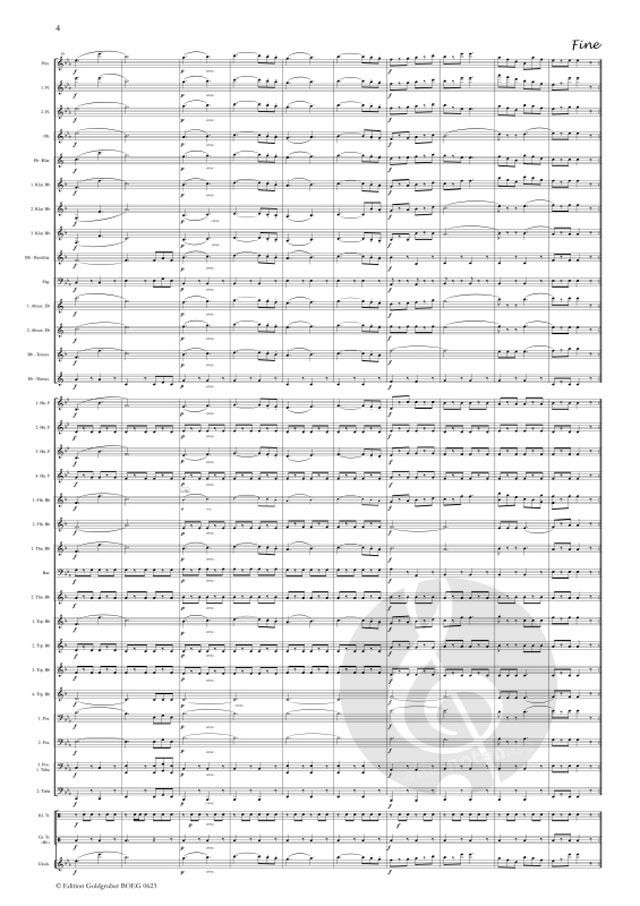
Carl Michael Ziehrer
Fürst Karol Marsch op. 195
- Instrumentation Concert Band
- Composer Carl Michael Ziehrer
- Edition Score
- Publisher Edition Goldgruber
- Order no. BOEG0623
 in stock
ships within 1-2 working days
incl. tax,
excl. shipping costs
Not available in all countries. Learn more

Description:
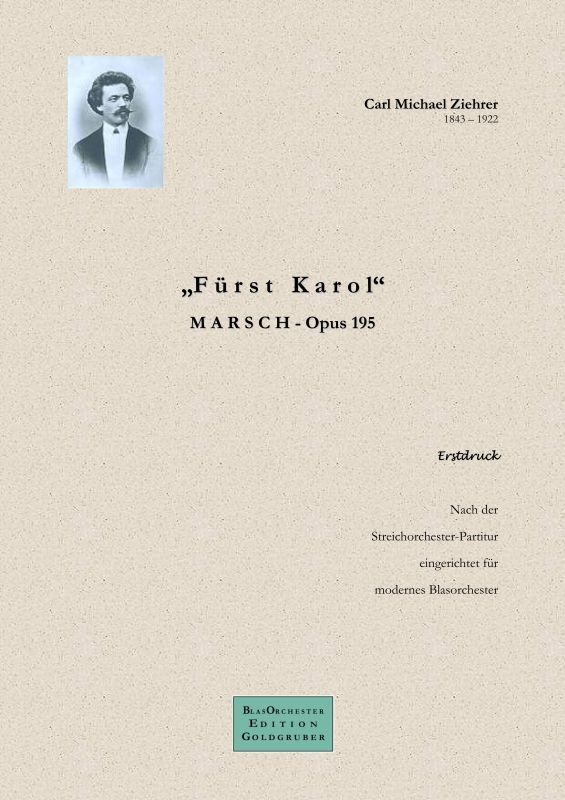
Carl Michael Ziehrer composed and orchestrated the march "Fürst Karol" Opus 195 in the original for string orchestra in the key of Eb major.
It was a so-called "dedication composition" for Karl Eitel Friedrich Zephyrinus Ludwig von Hohenzollern-Sigmaringen (* April 20, 1839 in Sigmaringen; † September 27 at Peles Castle in Sinaia), son of Prince Karl Anton zu Hohenzollern-Sigmaringen. On May 22, 1866, he entered Bucharest as Prince Carol I to the cheers of the people and from 1881 he was King of Romania.
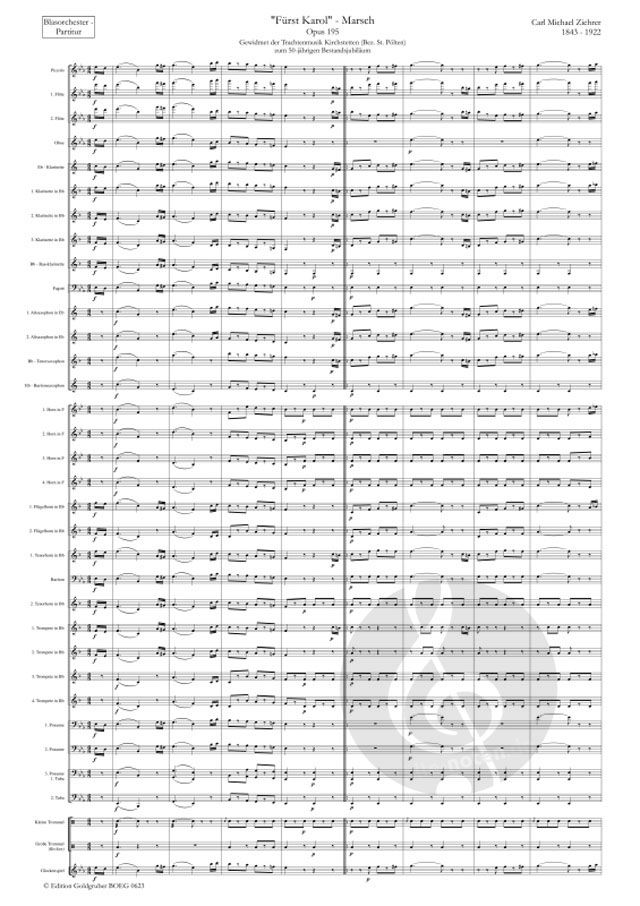
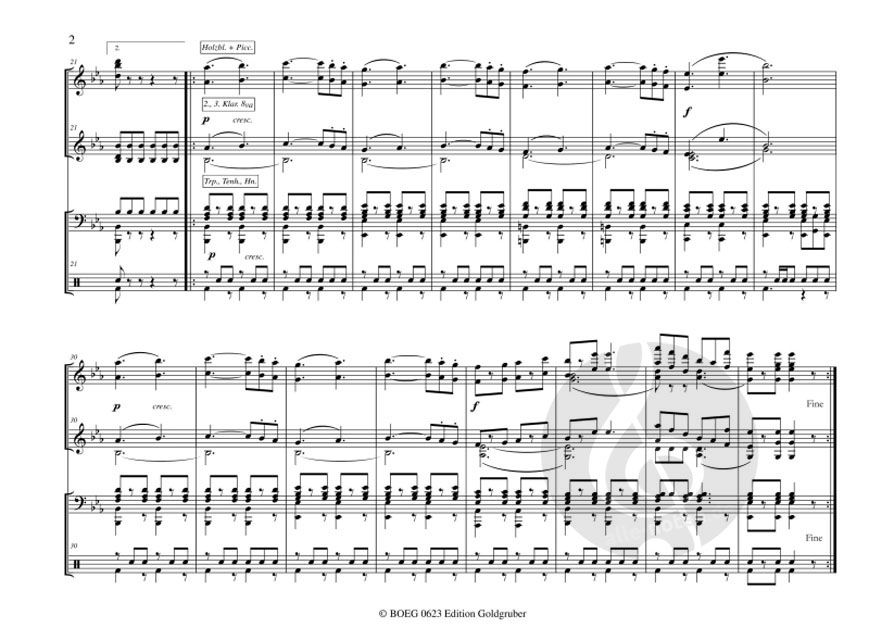
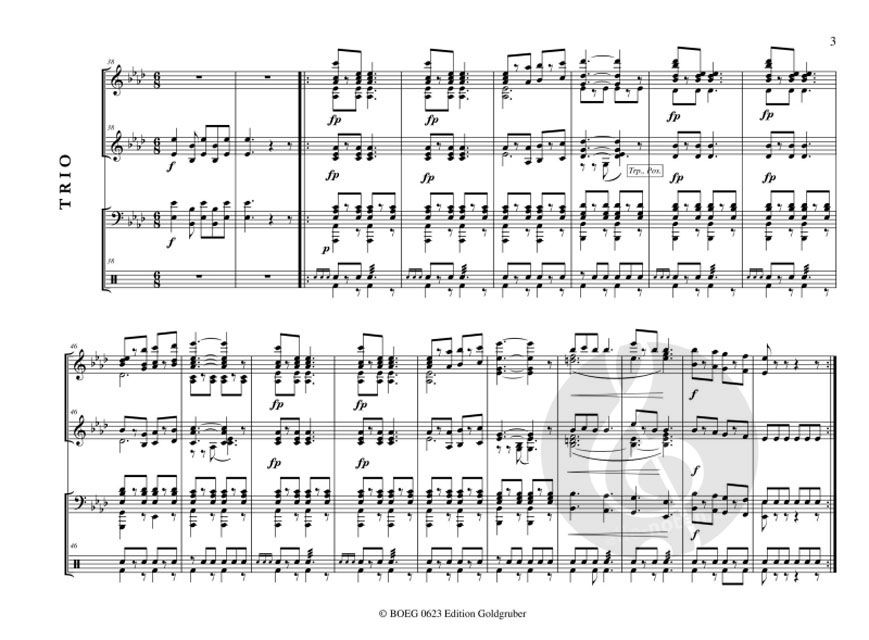
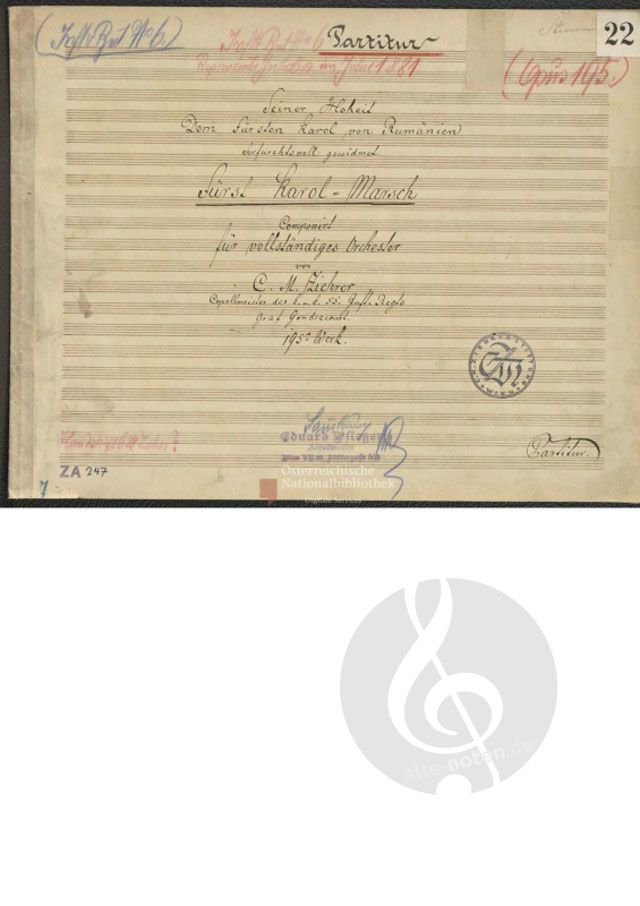
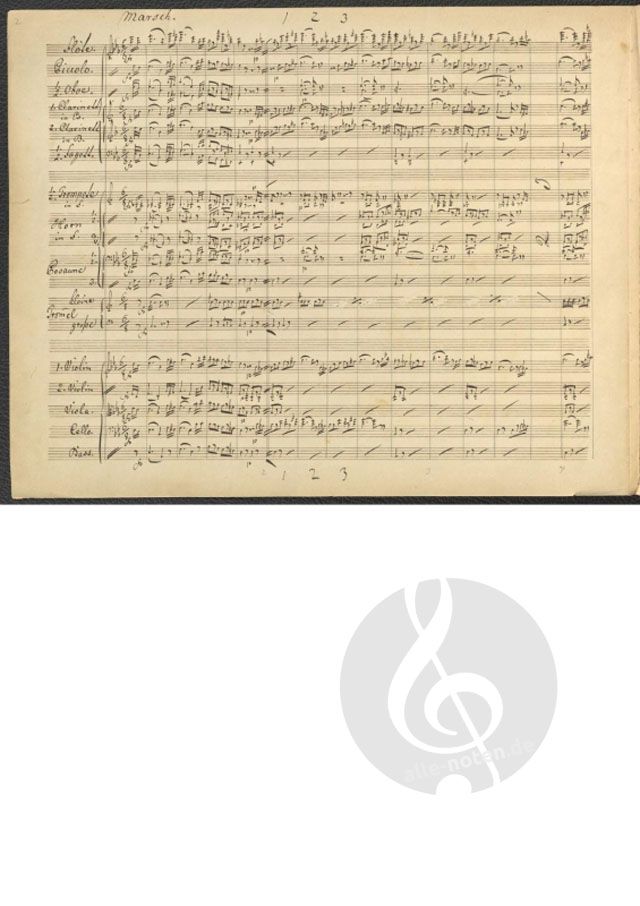
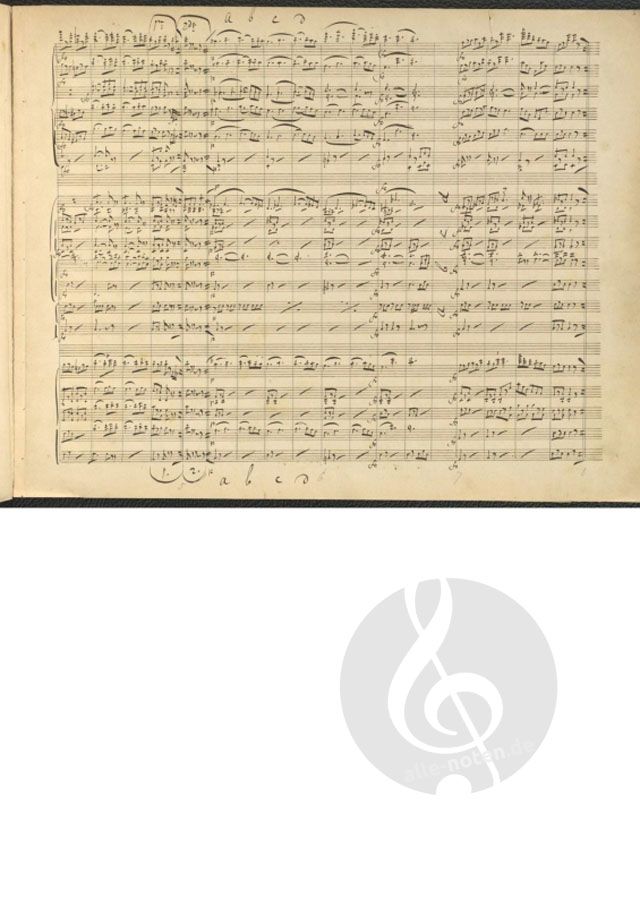
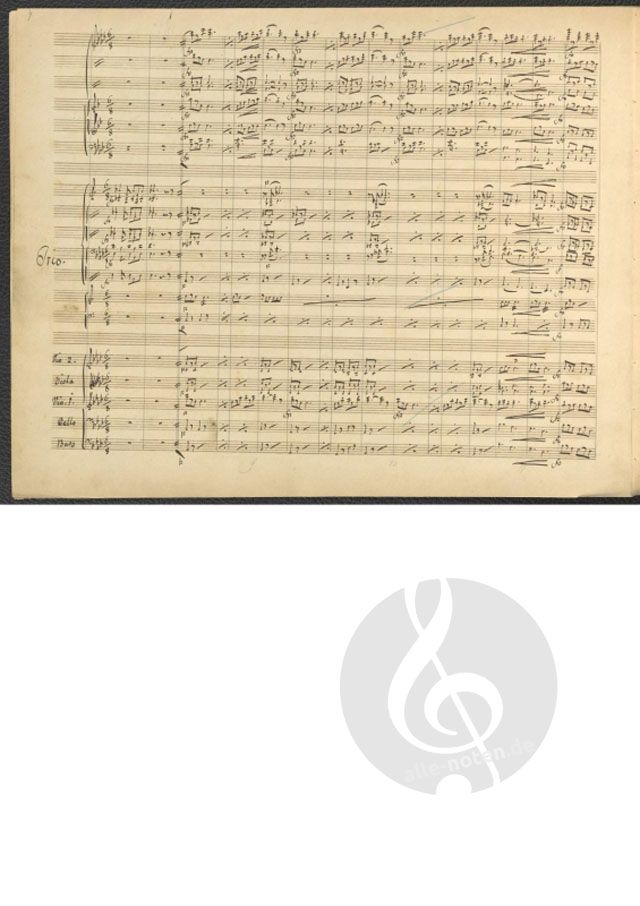
The instrumentation (see facsimile) was: Flauto, piccolo, 1st and 2nd oboe, 1st clarinet in Eb, 2nd oboe, 2nd clarinet in Bb, 2nd clarinet in Sb. Clarinet in Eb, 2nd clarinet in Bb; 1st and 2nd bassoon, 2 trumpets in F, 4 horns in F, 3 trombones, snare drum and bass drum (cymbals are not specially marked or indicated), 1st and 2nd violin, viola, cello and bass. The handwritten score for string orchestra from the ÖNB (F2Ziehrer.247 MUS MAG) served as the source. There is no signature of the composer.
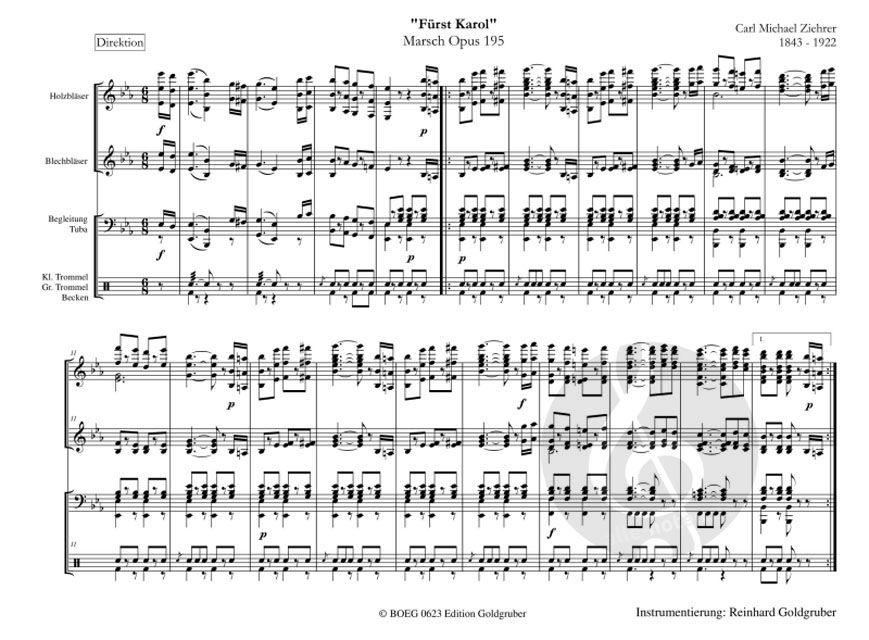
In 19th century popular music, it was common practice to orchestrate the same work for both "string and brass music" (mostly military music), which is documented by numerous examples. Musicians often said: "Today we are playing on strings and brass." For this reason, I have taken the liberty of arranging this march for wind orchestra.
The string orchestra version can be heard at https://www.youtube.com/watch?v=n8eOYEetwGM.
March book format.
It was a so-called "dedication composition" for Karl Eitel Friedrich Zephyrinus Ludwig von Hohenzollern-Sigmaringen (* April 20, 1839 in Sigmaringen; † September 27 at Peles Castle in Sinaia), son of Prince Karl Anton zu Hohenzollern-Sigmaringen. On May 22, 1866, he entered Bucharest as Prince Carol I to the cheers of the people and from 1881 he was King of Romania.
The instrumentation (see facsimile) was: Flauto, piccolo, 1st and 2nd oboe, 1st clarinet in Eb, 2nd oboe, 2nd clarinet in Bb, 2nd clarinet in Sb. Clarinet in Eb, 2nd clarinet in Bb; 1st and 2nd bassoon, 2 trumpets in F, 4 horns in F, 3 trombones, snare drum and bass drum (cymbals are not specially marked or indicated), 1st and 2nd violin, viola, cello and bass. The handwritten score for string orchestra from the ÖNB (F2Ziehrer.247 MUS MAG) served as the source. There is no signature of the composer.
In 19th century popular music, it was common practice to orchestrate the same work for both "string and brass music" (mostly military music), which is documented by numerous examples. Musicians often said: "Today we are playing on strings and brass." For this reason, I have taken the liberty of arranging this march for wind orchestra.
The string orchestra version can be heard at https://www.youtube.com/watch?v=n8eOYEetwGM.
March book format.