
Max Drischner
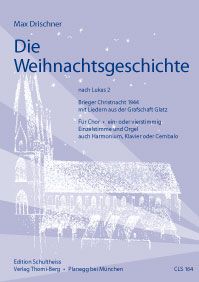
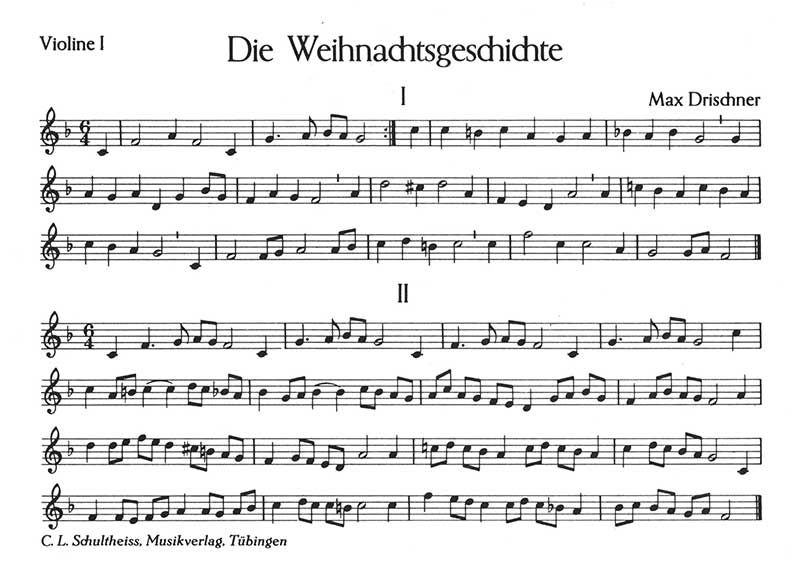
Die Weihnachtsgeschichte (Brieger Christnacht 1944)
für gemischten Chor, Orgel und 4 Streichinstrumente
PDF
1
view
PDF
2
view
Max Drischner
Die Weihnachtsgeschichte (Brieger Christnacht 1944)
für gemischten Chor, Orgel und 4 Streichinstrumente
- Instrumentation Mixed Choir, Organ, 2 Violins, Viola and Cello
- Composer Max Drischner
- Edition Score and Organ Score
- Publisher Thomi-Berg Musikverlag
- Order no. TB-CLS164
 in stock
ships within 1-2 working days
incl. tax,
excl. shipping costs
- Volume scale:
- from 10 pcs 7,92 €
- from 25 pcs 7,48 €
- from 50 pcs 7,04 €
Not available in all countries. Learn more

Description:
after Luke 2 - Brieger Christnacht 1944 with songs from the county of Glatz
Max Drischner (1891-1971) was a German composer, cantor, organist and harpsichordist.
Fritz Feldmann wrote about Drischner's compositions: "Parallel to Drischner's simple reproductive activity, which was borne by the spirit of the youth movement, serving only the congregation and never emphasizing the virtuoso, his compositions are, in his own opinion, 'recorded improvisations', which, in the service of the cultic, want to be understandable for every member of the congregation and avoid modern paths without falling into the epigonal stylistic copying of a particular model. They are characterized by a consistently tonal, song-like melody, even in recitative texts, which is particularly indebted to Silesian and Nordic folklore."
Max Drischner (1891-1971) was a German composer, cantor, organist and harpsichordist.
Fritz Feldmann wrote about Drischner's compositions: "Parallel to Drischner's simple reproductive activity, which was borne by the spirit of the youth movement, serving only the congregation and never emphasizing the virtuoso, his compositions are, in his own opinion, 'recorded improvisations', which, in the service of the cultic, want to be understandable for every member of the congregation and avoid modern paths without falling into the epigonal stylistic copying of a particular model. They are characterized by a consistently tonal, song-like melody, even in recitative texts, which is particularly indebted to Silesian and Nordic folklore."
Customers rated this product:
Manufacturer Information:
Thomi-Berg MV
Friedensstraße 10
82152
Planegg
Deutschland
Other customers also bought:
Max Drischner
für gemischten Chor, Orgel und 4 Streichinstrumente
- Mixed Choir, Organ, 2 Violins, Viola and Cello
- Set of Parts - String Instruments
-
ships within 2-4 working days
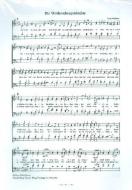
Max Drischner
für gemischten Chor, Orgel und 4 Streichinstrumente
- Mixed Choir
- Choral Score
-
ships within 2-4 weeks
Max Drischner
- Mixed Choir (1-4 Parts) and Organ
- Score
-
in stock
ships within 1-2 working days
Karl-Peter Chilla
- Organ
- Sheet Music
-
in stock
ships within 1-2 working days
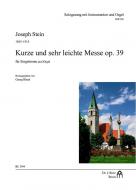
- Voice and Organ
- Organ Score
-
ships within 3-6 working days
- Organ
- Sheet Music
-
in stock
ships within 1-2 working days
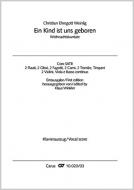
- Mixed Choir (SATB) and Orchestra
- Piano Reduction
-
ships within 2-5 working days
- Also available for download!

- Music Accessories
- Accessory
-
in stock
ships within 1-2 working days
- Organ 4 Hands
- Sheet Music
-
in stock
ships within 1-2 working days
Max Drischner
- Organ
- Sheet Music
-
in stock
ships within 1-2 working days
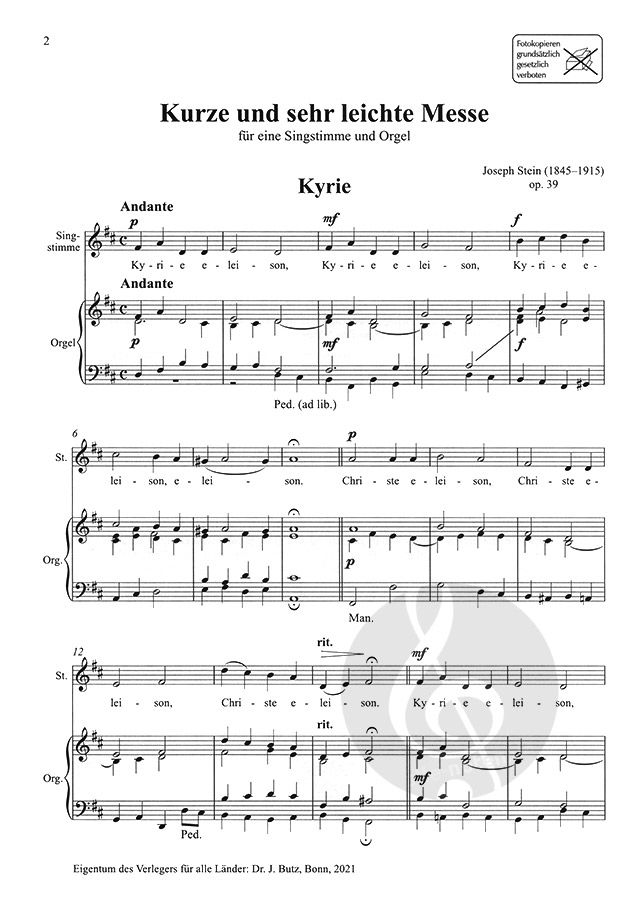


Dmitri Schostakowitsch
for soprano, violin, violoncello, and piano
- High Voice, Violin, Cello and Piano
- Score and Parts
-
in stock
ships within 1-2 working days - Also available for download!
- Oboe and Organ
- Sheet Music
-
in stock
ships within 1-2 working days
Max Drischner
- Organ
- Sheet Music
-
in stock
ships within 1-2 working days
aus Barock, Klassik und Romantik für Konzert und Unterricht
- Organ
- Sheet Music
- Karl-Peter Chilla
-
in stock
ships within 1-2 working days
- Organ 4 Hands
- Sheet Music
-
ships within 3-6 working days