
Johann Strauss (Sohn)
Die Fledermaus-Ouvertüre
gekürzt
Johann Strauss (Sohn)
Die Fledermaus-Ouvertüre
gekürzt
- Instrumentation Orchestra
- Composer Johann Strauss (Sohn)
- Editor Alfred Pfortner
-
Difficulty Level
- Edition Sheet Music
- Publisher Siebenhüner Musikverlag
- Order no. SIEB27033
 ships within 3-6 working days
incl. tax,
excl. shipping costs
Not available in all countries. Learn more
Description:
Notes about the Editions for School and Amateur Orchestra:
> Most of the pieces have been shortened and adapted to suit young orchestras.
> Full score supplied to most arrangements.
> All parts are provided with bar numbers to make rehearsals easier.
> Metronome suggestions are merely guidelines.
> All pieces are also playable in smaller groups. (such as violin and piano').
> If French horns and violas are available the pieces do not need a piano accompaniment.
> String Parts are shown with bowings and partially with fingerrings.
> The parts for 1st Violin extend as far as the third position. Only in a few individual cases they range as far as 5th position and in such cases these notes are always given in the lower octave, too
> The 2nd Violin parts usually remain in the 1st Position. Whenever they go up to the 3rd position the notes arealso provided in the lover octacve.
> The parts for Cello which were usually in the tenor clef, have been written in bass clef.
> For woodwind and brass parts special attention has been paid to using a range suitable for students and amateurs.
> The parts for A-Clarinets are often easier and more pleasant to play in many pieces. However parts for Bb-Clarinets are included for each piece.
> For Bassoon and Trombones original tenor or alto clef parts have been transposed to bass clef.
> Piano parts can be played by the Teacher or an advanced Student.
> Most of the pieces have been shortened and adapted to suit young orchestras.
> Full score supplied to most arrangements.
> All parts are provided with bar numbers to make rehearsals easier.
> Metronome suggestions are merely guidelines.
> All pieces are also playable in smaller groups. (such as violin and piano').
> If French horns and violas are available the pieces do not need a piano accompaniment.
> String Parts are shown with bowings and partially with fingerrings.
> The parts for 1st Violin extend as far as the third position. Only in a few individual cases they range as far as 5th position and in such cases these notes are always given in the lower octave, too
> The 2nd Violin parts usually remain in the 1st Position. Whenever they go up to the 3rd position the notes arealso provided in the lover octacve.
> The parts for Cello which were usually in the tenor clef, have been written in bass clef.
> For woodwind and brass parts special attention has been paid to using a range suitable for students and amateurs.
> The parts for A-Clarinets are often easier and more pleasant to play in many pieces. However parts for Bb-Clarinets are included for each piece.
> For Bassoon and Trombones original tenor or alto clef parts have been transposed to bass clef.
> Piano parts can be played by the Teacher or an advanced Student.
Customers rated this product:
Manufacturer Information:
Siebenhüner MV
Benzstraße 2
64546
Mörfelden
Deutschland
Other customers also bought:
Miranda Lin-Manuel
- Flexible ensemble (7 Instruments)
- Score and Parts
- Bjørn Morten Kjærnes
-
ships within 1-2 weeks
- Flexible ensemble (5 Instruments)
- Score and Parts
-
ships within 3-6 working days
Wolfgang Amadeus Mozart
- Orchestra
- Sheet Music
- Alfred Pfortner
-
ships within 3-6 working days
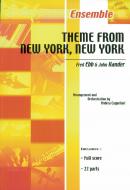
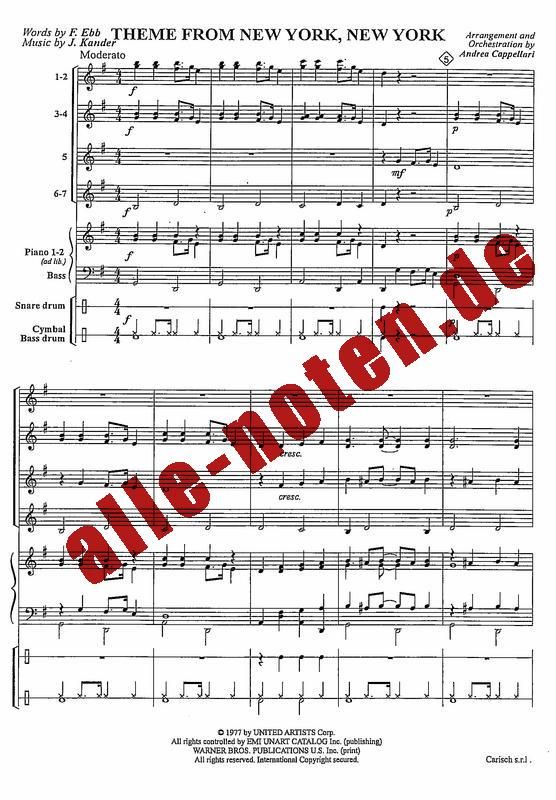
John Kander, Fred Ebb
- Flexible ensemble (7 Instruments)
- Score and Parts
- Roberto Fabbri
-
in stock
ships within 1-2 working days
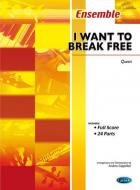
Queen
- Flexible ensemble (8 Instruments)
- Score and Parts
- Andrea Cappellari
-
in stock
ships within 1-2 working days
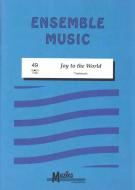
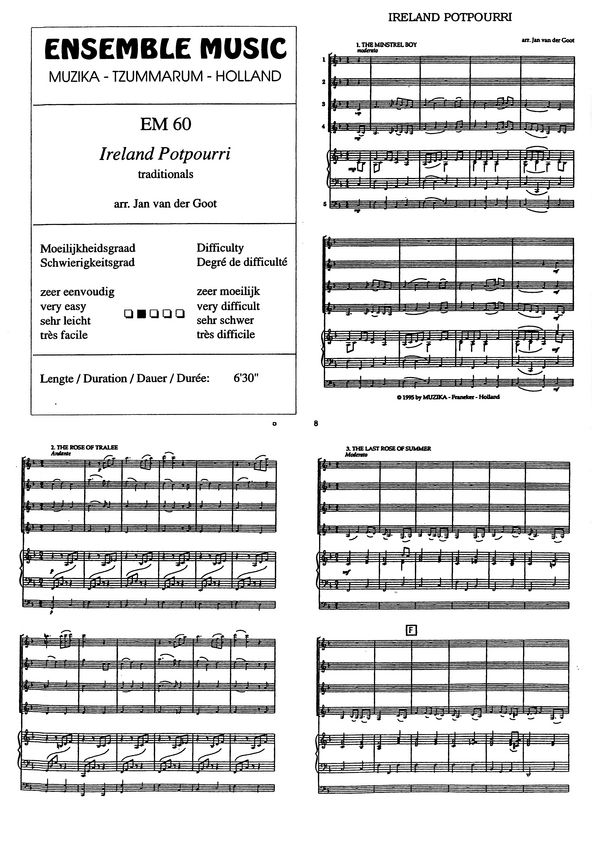
Christmas Potpourri No. 2
- Flexible ensemble (5 Instruments)
- Score and Parts
- Jan van der Goot
-
in stock
ships within 1-2 working days
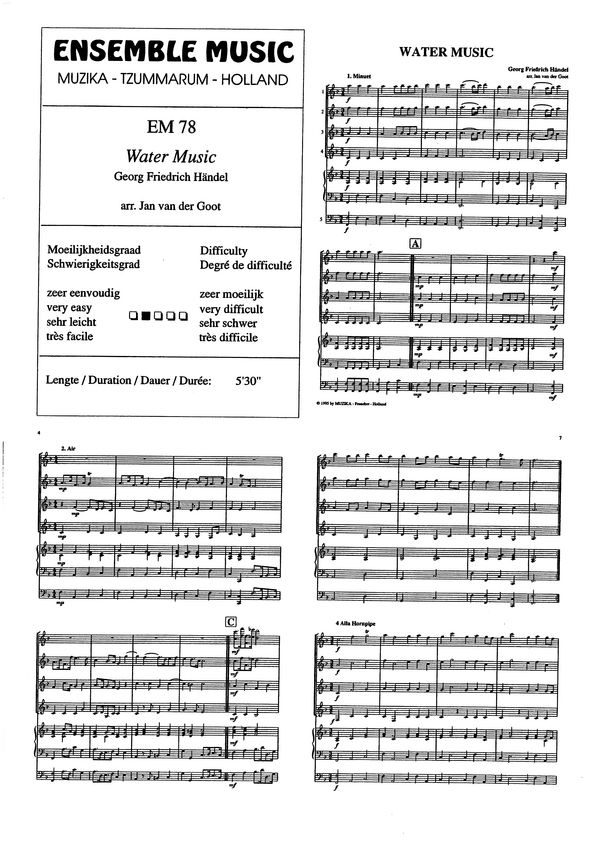
Georg Friedrich Händel
- Flexible ensemble (5 Instruments)
- Score and Parts
-
in stock
ships within 1-2 working days
Giuseppe Verdi
- Orchestra
- Sheet Music
- Alfred Pfortner
-
ships within 3-6 working days
Bent Fabricius-Bjerre
- Flexible ensemble (5 Instruments)
- Score and Parts
- Inge Sunde
-
in stock
ships within 1-2 working days
Peter Iljitsch Tschaikowsky
- Orchestra
- Score and Parts
- Alfred Pfortner
-
ships within 3-6 working days

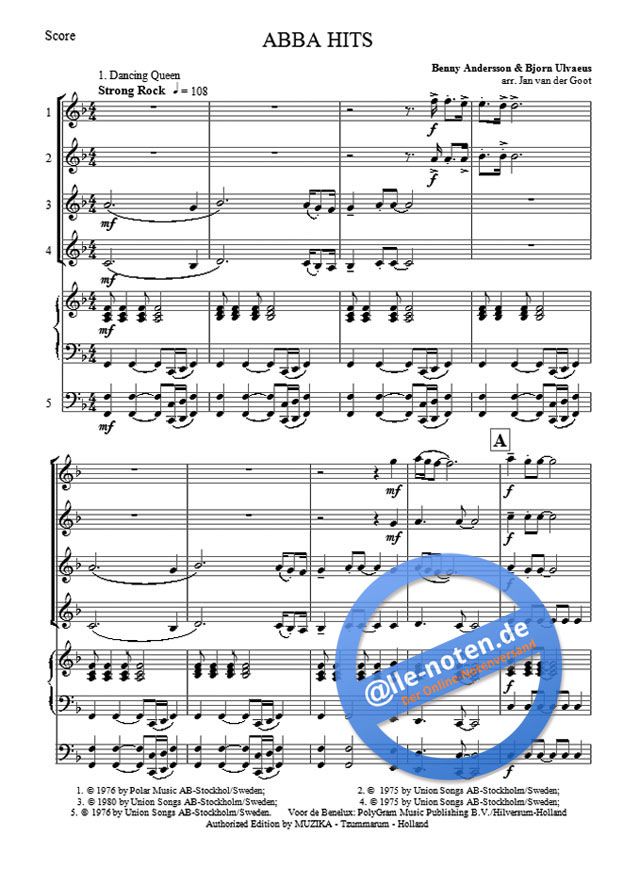
ABBA
- Flexible ensemble (5 Instruments)
- Score and Parts
- Jan van der Goot
-
in stock
ships within 1-2 working days
Wolfgang Amadeus Mozart
- Flexible ensemble (8 Instruments)
- Score and Parts
-
in stock
ships within 1-2 working days
Neal Hefti
- Flexible ensemble (5 Instruments)
- Score and Parts
- Anders Widestrand
-
in stock
ships within 1-2 working days




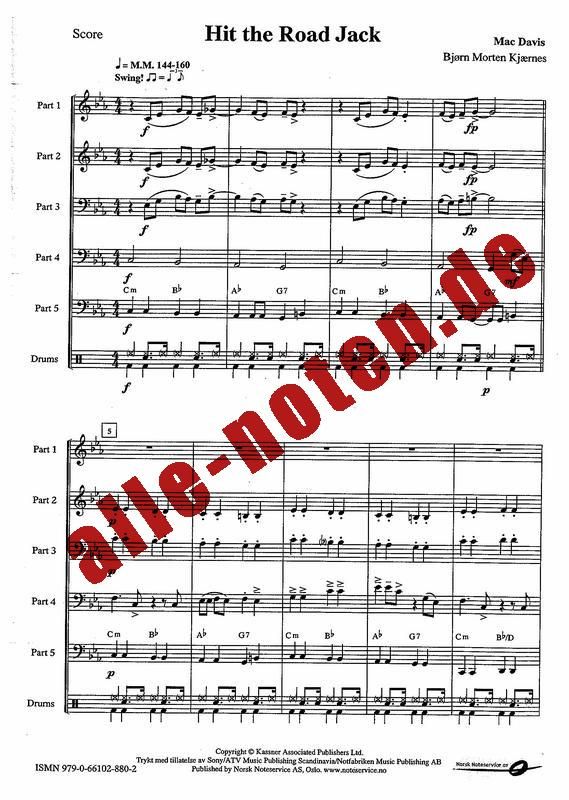
- Flexible ensemble (5 Instruments)
- Score and Parts
- Bjørn Morten Kjærnes
-
ships within 3-6 working days

Peter Iljitsch Tschaikowsky
- Flexible ensemble (5 Instruments)
- Score and Parts
-
ships within 3-6 working days