
Jean-Philippe Rameau
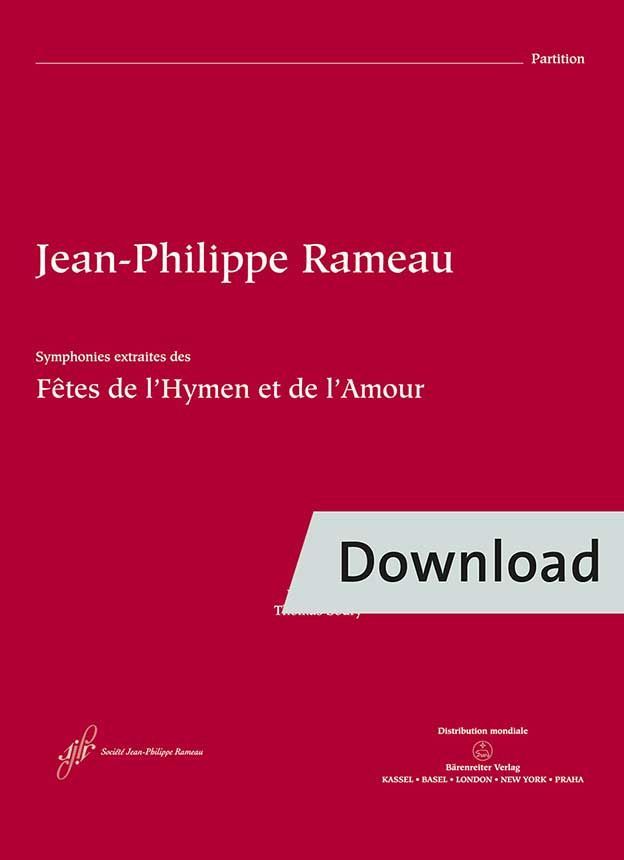
Les Fêtes de l'Hymen et de l'Amour RCT 38
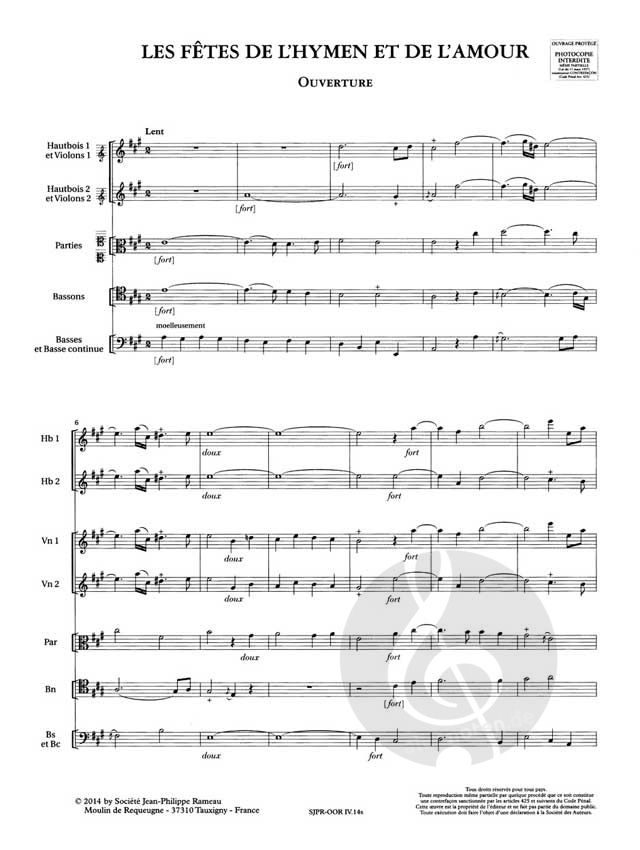
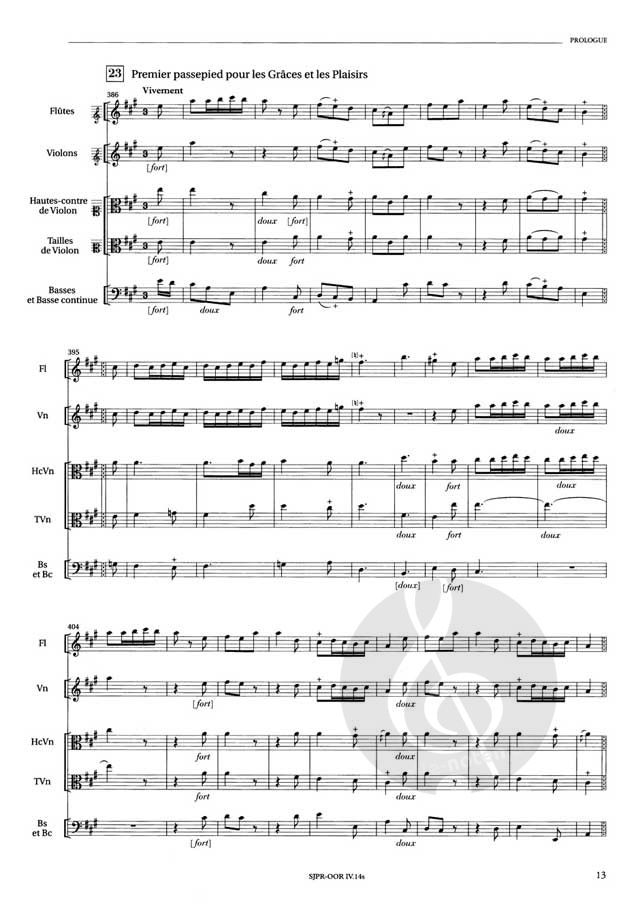
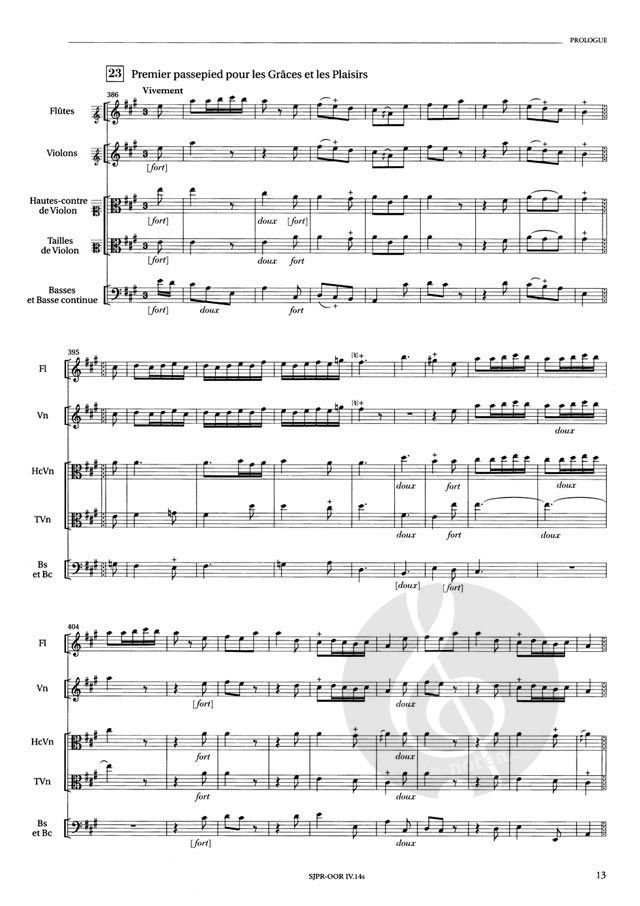
Ballet héroïque in a prologue and three entrées - Symphonies
Jean-Philippe Rameau
Les Fêtes de l'Hymen et de l'Amour RCT 38
Ballet héroïque in a prologue and three entrées - Symphonies
- Instrumentation Orchestra
- Composer Jean-Philippe Rameau
- Editor Thomas Soury
- Lyricist Louis de Cahusac
- Edition Score Download
- Publisher Bärenreiter Verlag
- Order no. BA7569-DL
 immediately available
Download immediately after ordering
incl. tax,
excl. shipping costs
Not available in all countries. Learn more

Description:
Long classified as secondary because its premiere was connected to a political event, "Les Fêtes de l'Hymen et de l'Amour" is full of dramaturgical innovations that foreshadow Rameau's later operas such as "Za?s", "Zoroastre" and "Les Boréades". Together with the librettist Cahusac, Rameau attempted in this ballet to integrate dance numbers, choruses and the stage machinery more closely into the main plot. He also experimented with musical stylistic devices that remained unique within his work: The most famous are undoubtedly the scene where the Nile overflows its banks - an impressive ten-part double chorus with soloists and orchestra, as well as the sextet from "Aruéris", an unprecedented scoring for Rameau.
This Critical Edition of the "Fêtes de l'Hymen et de l'Amour" is the first to present a reference version of the work, drawing on all the important sources for the libretto and the music (and here in particular on two recent discoveries). As most of the music from the first performance has been lost, this edition is based on the version prepared for the Académie royale de musique in 1748.
This Critical Edition of the "Fêtes de l'Hymen et de l'Amour" is the first to present a reference version of the work, drawing on all the important sources for the libretto and the music (and here in particular on two recent discoveries). As most of the music from the first performance has been lost, this edition is based on the version prepared for the Académie royale de musique in 1748.