
Tomaso Giovanni Albinoni
Adagio
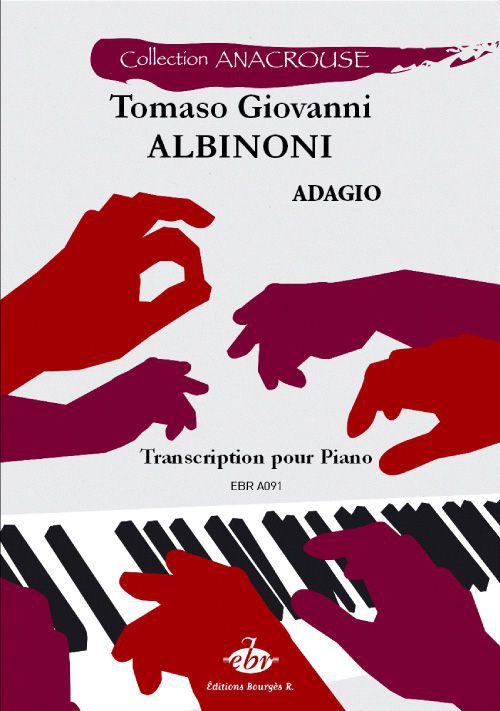

Demo
listen
Tomaso Giovanni Albinoni
Adagio
- Instrumentation Piano
- Composer Tomaso Giovanni Albinoni
- Edition Sheet Music
- Publisher Editions Bourgès R.
- Order no. EBRA091
 in stock
ships within 1-2 working days
incl. tax,
excl. shipping costs
Not available in all countries. Learn more
Description:
The ANACROUSE collection offers novice and experienced pianists alike a wide choice of classical works, from the Renaissance to the modern era.
We have set ourselves the goal of offering both "must-haves" from the classical repertoire and pieces by sometimes forgotten composers, all of undeniable pedagogical value. Each piece, sold individually, has been the subject of careful editorial work, both in terms of the musical text and its engraving, in order to guarantee musicians the conditions essential to the pleasures derived from frequent trade in these works.
The scores are offered as traditional works (paper sheets), and also available by download.
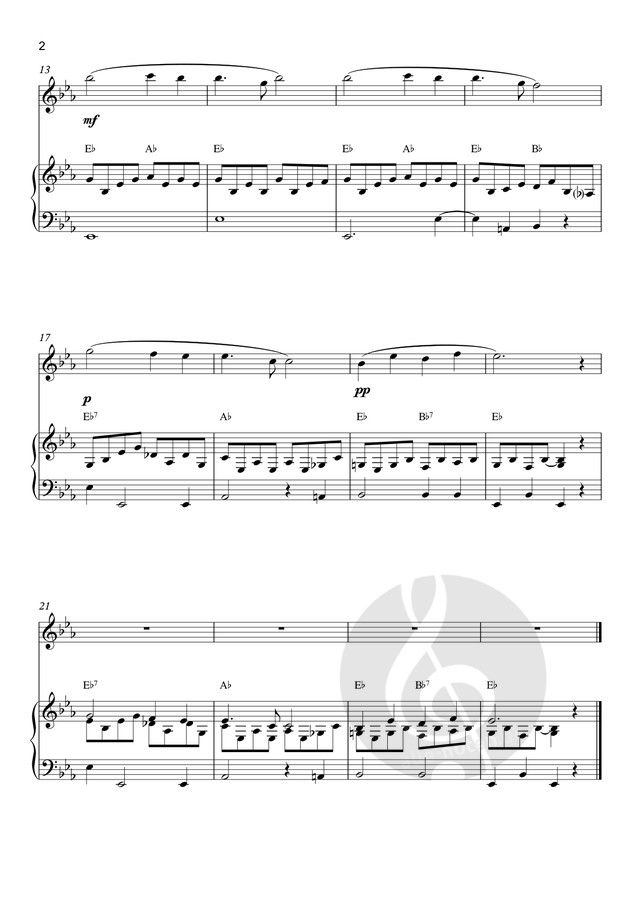
If Tomaso Albinoni is famous today, it's mainly thanks to his famous Adagio in G minor for string orchestra and organ. Yet it's a work he didn't write himself. It's actually an arrangement written by his Italian biographer Remo Giazotto. According to the latter, a "Trio Sonata" composed by Tomaso Albinoni was discovered in 1945 amid the ruins of the Dresden library, which had been bombed during the Second World War. Remo Giazotto is said to have used the slow movement of this sonata as the basis for the Adagio, which is so familiar to us today, since it is quoted in many popular music scores, as well as in film soundtracks.
This slow-tempo work is introduced by an organ melody supported by pizzicato cellos and double basses. This is followed by the tutti theme and a cadenza performed by the solo violin accompanied by the organ. We then return to the beginning of the work, before the tutti enters into a tragic momentum. The work ends with a short violin solo, still supported by the carpet of sound from the organ and orchestra.
We have set ourselves the goal of offering both "must-haves" from the classical repertoire and pieces by sometimes forgotten composers, all of undeniable pedagogical value. Each piece, sold individually, has been the subject of careful editorial work, both in terms of the musical text and its engraving, in order to guarantee musicians the conditions essential to the pleasures derived from frequent trade in these works.
The scores are offered as traditional works (paper sheets), and also available by download.
If Tomaso Albinoni is famous today, it's mainly thanks to his famous Adagio in G minor for string orchestra and organ. Yet it's a work he didn't write himself. It's actually an arrangement written by his Italian biographer Remo Giazotto. According to the latter, a "Trio Sonata" composed by Tomaso Albinoni was discovered in 1945 amid the ruins of the Dresden library, which had been bombed during the Second World War. Remo Giazotto is said to have used the slow movement of this sonata as the basis for the Adagio, which is so familiar to us today, since it is quoted in many popular music scores, as well as in film soundtracks.
This slow-tempo work is introduced by an organ melody supported by pizzicato cellos and double basses. This is followed by the tutti theme and a cadenza performed by the solo violin accompanied by the organ. We then return to the beginning of the work, before the tutti enters into a tragic momentum. The work ends with a short violin solo, still supported by the carpet of sound from the organ and orchestra.
Customers rated this product:
Manufacturer Information:
Editions Bourgès R.
17 Rue de Clichy
75009
Paris
Frankreich
Other customers also bought:
- Piano
- Sheet Music
- Adolf Hoffmann
-
in stock
ships within 1-2 working days - Also available for download!
Tomaso Giovanni Albinoni
- Piano
- Sheet Music
- Pepe Ortiz
-
in stock
ships within 1-2 working days

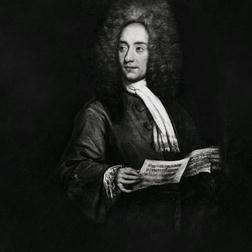
Tomaso Giovanni Albinoni
- Piano
- Sheet Music Download
-
immediately available
Download immediately after ordering
Skizzenbuch für Noten und Notizen
- Music Accessories
- Accessory
-
in stock
ships within 1-2 working days
- Piano
- Sheet Music
- Robert Schultz
-
ships within 3-6 working days

Hans-Günter Heumann
Everything you always wanted to play on the Piano - 100 easy Piano Hits from Bach to Robbie Williams
- Piano
- Sheet Music
-
in stock
ships within 1-2 working days
- Organ
- Sheet Music
- Remo Giazotto
-
in stock
ships within 1-2 working days
for Flute & Piano (Organ)
- Flute and Piano
- Sheet Music
-
ships within 1-2 weeks
- Also available for download!
Tomaso Giovanni Albinoni
- Flute and Piano
- Sheet Music
-
in stock
ships within 1-2 working days
Tomaso Giovanni Albinoni, Remo Giazotto
- Flute and Piano
- Piano Reduction
- Remo Giazotto
-
ships within 3-6 working days
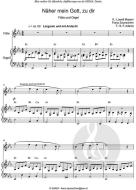



- Flute and Organ
- Score and Parts Download and Online Audio
- Franz Zaunschirm
-
immediately available
Download immediately after ordering