
Frédéric Chopin
Nocturne no. 20 op. posthume

Frédéric Chopin
Nocturne no. 20 op. posthume
- Instrumentation Piano
- Edition Sheet Music
- Composer Frédéric Chopin
- Publisher Editions Bourgès R.
- Order no. EBRA028
incl. tax,
excl. shipping costs
 ships within 2-4 weeks

Description:
The ANACROUSE collection offers novice and experienced pianists alike a wide choice of classical works, from the Renaissance to the modern era.
We have set ourselves the goal of offering both "must-haves" from the classical repertoire and pieces by sometimes forgotten composers, all of undeniable pedagogical value. Each piece, sold individually, has been the subject of careful editorial work, both in terms of the musical text and its engraving, in order to guarantee musicians the conditions essential to the pleasures derived from frequent trade in these works.
The scores are offered in the form of traditional works (paper sheets), and also available by download.
The term Nocturne has a different meaning depending on the era. In the 17th and 18th centuries, it meant a piece of chamber music, instrumental or vocal, suitable for outdoor playing or nocturnal performance. In the 19th century, the creator of the "nocturne for piano" in the technical sense was Irish composer John Field. These nocturnes are elegant pieces with a simple, nostalgic and meditative melody.
Chopin adopted this name and its general idea for these poetic phrases with developed, cadenced accompaniment. He wrote twenty-one nocturnes, which contributed to the development of his fame.
Nocturne no. 20 in C sharp minor, composed in 1830, is a highly original piece in its combination of sentiment and spirit. It's a much less condensed piece than the other nocturnes, but one that makes us feel a beauty that bewitches us. The work was found among the composer's papers after his death, and was published only 26 years later.
In this work, he uses the notation of a theme taken from his earlier piano concerto in F minor. In the first version, which he later abandoned, the melody is composed in 3/4 time, as in the concerto, with a 4/4 accompaniment, the dominant time in the nocturne. This notation is quite astonishing for the 1830s, but the way of combining different tempi developed especially in the 20th century.
Chopin entrusts us with a part of his diary through these melancholy pages of communicative sensitivity.
Romantic pianists will naturally be able to express their moods through this highly expressive nocturne.
We have set ourselves the goal of offering both "must-haves" from the classical repertoire and pieces by sometimes forgotten composers, all of undeniable pedagogical value. Each piece, sold individually, has been the subject of careful editorial work, both in terms of the musical text and its engraving, in order to guarantee musicians the conditions essential to the pleasures derived from frequent trade in these works.
The scores are offered in the form of traditional works (paper sheets), and also available by download.
The term Nocturne has a different meaning depending on the era. In the 17th and 18th centuries, it meant a piece of chamber music, instrumental or vocal, suitable for outdoor playing or nocturnal performance. In the 19th century, the creator of the "nocturne for piano" in the technical sense was Irish composer John Field. These nocturnes are elegant pieces with a simple, nostalgic and meditative melody.
Chopin adopted this name and its general idea for these poetic phrases with developed, cadenced accompaniment. He wrote twenty-one nocturnes, which contributed to the development of his fame.
Nocturne no. 20 in C sharp minor, composed in 1830, is a highly original piece in its combination of sentiment and spirit. It's a much less condensed piece than the other nocturnes, but one that makes us feel a beauty that bewitches us. The work was found among the composer's papers after his death, and was published only 26 years later.
In this work, he uses the notation of a theme taken from his earlier piano concerto in F minor. In the first version, which he later abandoned, the melody is composed in 3/4 time, as in the concerto, with a 4/4 accompaniment, the dominant time in the nocturne. This notation is quite astonishing for the 1830s, but the way of combining different tempi developed especially in the 20th century.
Chopin entrusts us with a part of his diary through these melancholy pages of communicative sensitivity.
Romantic pianists will naturally be able to express their moods through this highly expressive nocturne.
Customers rated this product:
Editions Bourgès R.
17 Rue de Clichy
75009
Paris
Frankreich
alle-noten.de: Sheet music shipping since 1969

Since 1969, over 500,000 customers have trusted us. With a huge selection of over 1,000,000 sheet music titles, we are one of the largest providers in Europe. Thanks to our large stock we can often ship sheet music within 24 hours. No matter what sheet music you are looking for: you are in the right place!
Yours, Stefanie Reichert
Head of Customer Service
Other customers also bought:


Claude Debussy
- Piano
- Sheet Music Download
-
immediately available
|
Download immediately after ordering

Frédéric Chopin
- Piano
- Sheet Music (Urtext)
-
ships within 4-8 working days

Robert Schumann
- Organ
- Sheet Music
-
ships within 2-4 weeks

Billy Joel
- Piano
- Sheet Music Download
-
immediately available
|
Download immediately after ordering

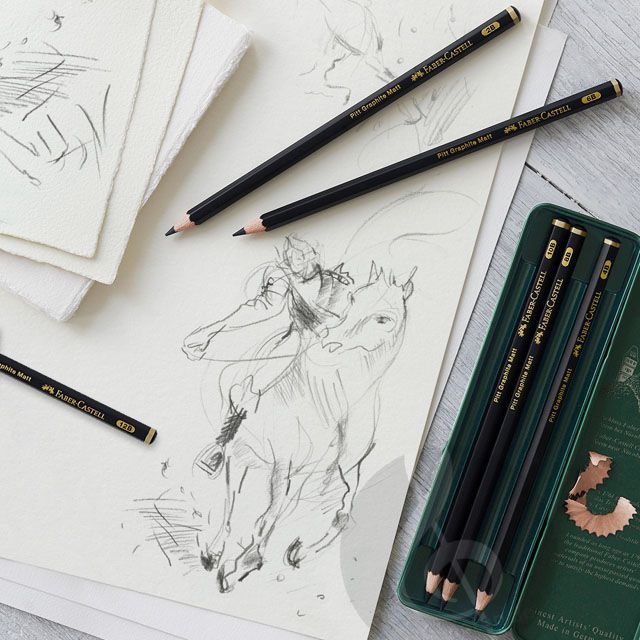
Besonders matt für reduzierte Reflexion auf Papier - Ideal zum Notenschreiben und für Eintragungen!
- Music Accessories
- Accessory
-
in stock
|
ships within 1-2 working days