
Classical Romantic Music Sheet Music for Orchestra
Classical Romantic sheet music for orchestra encompasses a rich repertoire that showcases the emotional depth and expressive qualities of the Romantic era. Composers such as Tchaikovsky, Brahms, and Dvořák created works that are characterized by lush harmonies, intricate melodies, and dramatic contrasts. This genre often features expansive symphonies, poignant concertos, and evocative tone poems, making it a favorite among orchestras and audiences alike. The orchestration in Romantic music allows for a wide range of timbres and dynamics, enhancing the overall impact of the performance. Whether for concert settings or educational purposes, Classical Romantic sheet music remains a vital part of the orchestral canon.

- Bass Clarinet and Orchestra
- Score and Parts
- Mikhail Nakariakov
- Editions Marc Reift
-
-
 ships within 1-2 weeks
- Also available for download!
from
157,60
€
ships within 1-2 weeks
Order no.: EMR51505


- Bass Clarinet and Orchestra
- Score and Parts Download
- Mikhail Nakariakov
- Editions Marc Reift
-
-
immediately available
Download immediately after ordering - Instant download
157,60
€
immediately available
| Download immediately after ordering
Order no.: EMR51505-DL
- Bass Trombone and Orchestra
- Score and Parts
- Mikhail Nakariakov
- Editions Marc Reift
-
-
ships within 1-2 weeks
- Also available for download!
from
157,60
€
ships within 1-2 weeks
Order no.: EMR51506
- Bass Trombone and Orchestra
- Score and Parts Download
- Mikhail Nakariakov
- Editions Marc Reift
-
-
immediately available
Download immediately after ordering - Instant download
157,60
€
immediately available
| Download immediately after ordering
Order no.: EMR51506-DL
- Flute and Orchestra
- Score and Parts
- Mikhail Nakariakov
- Editions Marc Reift
-
-
ships within 1-2 weeks
- Also available for download!
from
157,60
€
ships within 1-2 weeks
Order no.: EMR51507
- Flute and Orchestra
- Score and Parts Download
- Mikhail Nakariakov
- Editions Marc Reift
-
-
immediately available
Download immediately after ordering - Instant download
157,60
€
immediately available
| Download immediately after ordering
Order no.: EMR51507-DL
- Piccolo and Orchestra
- Score and Parts
- Mikhail Nakariakov
- Editions Marc Reift
-
-
ships within 1-2 weeks
- Also available for download!
from
157,60
€
ships within 1-2 weeks
Order no.: EMR51508
- Piccolo and Orchestra
- Score and Parts Download
- Mikhail Nakariakov
- Editions Marc Reift
-
-
immediately available
Download immediately after ordering - Instant download
157,60
€
immediately available
| Download immediately after ordering
Order no.: EMR51508-DL

- Viola and Orchestra
- Score and Parts
- Mikhail Nakariakov
- Editions Marc Reift
-
-
ships within 1-2 weeks
- Also available for download!
from
157,60
€
ships within 1-2 weeks
Order no.: EMR51509

- Viola and Orchestra
- Score and Parts Download
- Mikhail Nakariakov
- Editions Marc Reift
-
-
immediately available
Download immediately after ordering - Instant download
157,60
€
immediately available
| Download immediately after ordering
Order no.: EMR51509-DL

- Violin and Orchestra
- Score and Parts
- Mikhail Nakariakov
- Editions Marc Reift
-
-
ships within 1-2 weeks
- Also available for download!
from
157,60
€
ships within 1-2 weeks
Order no.: EMR51510

- Violin and Orchestra
- Score and Parts Download
- Mikhail Nakariakov
- Editions Marc Reift
-
-
immediately available
Download immediately after ordering - Instant download
157,60
€
immediately available
| Download immediately after ordering
Order no.: EMR51510-DL
- Bassoon and Orchestra
- Score and Parts
- Mikhail Nakariakov
- Editions Marc Reift
-
-
ships within 1-2 weeks
- Also available for download!
from
157,60
€
ships within 1-2 weeks
Order no.: EMR51511
- Bassoon and Orchestra
- Score and Parts Download
- Mikhail Nakariakov
- Editions Marc Reift
-
-
immediately available
Download immediately after ordering - Instant download
157,60
€
immediately available
| Download immediately after ordering
Order no.: EMR51511-DL
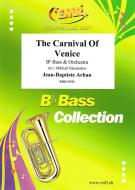
- Tuba in Bb and Orchestra
- Score and Parts
- Mikhail Nakariakov
- Editions Marc Reift
-
-
ships within 1-2 weeks
- Also available for download!
from
157,60
€
ships within 1-2 weeks
Order no.: EMR51512
- Tuba in Bb and Orchestra
- Score and Parts Download
- Mikhail Nakariakov
- Editions Marc Reift
-
-
immediately available
Download immediately after ordering - Instant download
157,60
€
immediately available
| Download immediately after ordering
Order no.: EMR51512-DL
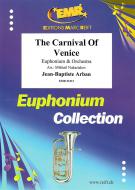
- Euphonium and Orchestra
- Score and Parts
- Mikhail Nakariakov
- Editions Marc Reift
-
-
ships within 1-2 weeks
- Also available for download!
from
157,60
€
ships within 1-2 weeks
Order no.: EMR51513
- Euphonium and Orchestra
- Score and Parts Download
- Mikhail Nakariakov
- Editions Marc Reift
-
-
immediately available
Download immediately after ordering - Instant download
157,60
€
immediately available
| Download immediately after ordering
Order no.: EMR51513-DL
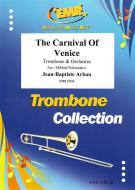
- Trombone and Orchestra
- Score and Parts
- Mikhail Nakariakov
- Editions Marc Reift
-
-
ships within 1-2 weeks
- Also available for download!
from
157,60
€
ships within 1-2 weeks
Order no.: EMR51514
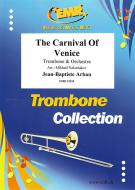
- Trombone and Orchestra
- Score and Parts Download
- Mikhail Nakariakov
- Editions Marc Reift
-
-
immediately available
Download immediately after ordering - Instant download
157,60
€
immediately available
| Download immediately after ordering
Order no.: EMR51514-DL
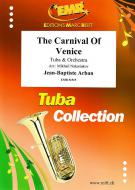
- Tuba and Orchestra
- Score and Parts
- Mikhail Nakariakov
- Editions Marc Reift
-
-
ships within 1-2 weeks
- Also available for download!
from
157,60
€
ships within 1-2 weeks
Order no.: EMR51515
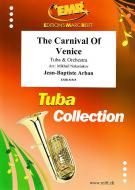
- Tuba and Orchestra
- Score and Parts Download
- Mikhail Nakariakov
- Editions Marc Reift
-
-
immediately available
Download immediately after ordering - Instant download
157,60
€
immediately available
| Download immediately after ordering
Order no.: EMR51515-DL

- Clarinet and Orchestra
- Score and Parts
- Mikhail Nakariakov
- Editions Marc Reift
-
-
ships within 1-2 weeks
- Also available for download!
from
157,60
€
ships within 1-2 weeks
Order no.: EMR51516

- Clarinet and Orchestra
- Score and Parts Download
- Mikhail Nakariakov
- Editions Marc Reift
-
-
immediately available
Download immediately after ordering - Instant download
157,60
€
immediately available
| Download immediately after ordering
Order no.: EMR51516-DL
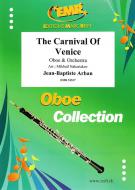
- Oboe and Orchestra
- Score and Parts
- Mikhail Nakariakov
- Editions Marc Reift
-
-
ships within 1-2 weeks
- Also available for download!
from
157,60
€
ships within 1-2 weeks
Order no.: EMR51517