
Franz Schubert
Sonata D 821
for arpeggione and piano (arrangement for cello and piano)

PDF
view
Franz Schubert
Sonata D 821
for arpeggione and piano (arrangement for cello and piano)
- Instrumentation Cello and Piano
- Composer Franz Schubert
- Editor Christa Jost
- Series Wiener Urtext Edition
- Editor Gerhart Darmstadt Christa Jost
-
Difficulty Level
- Edition Sheet Music (Urtext)
- Publisher Wiener Urtext Edition
- Order no. UT50402
 in stock
ships within 1-2 working days
incl. tax,
excl. shipping costs
Not available in all countries. Learn more
Description:
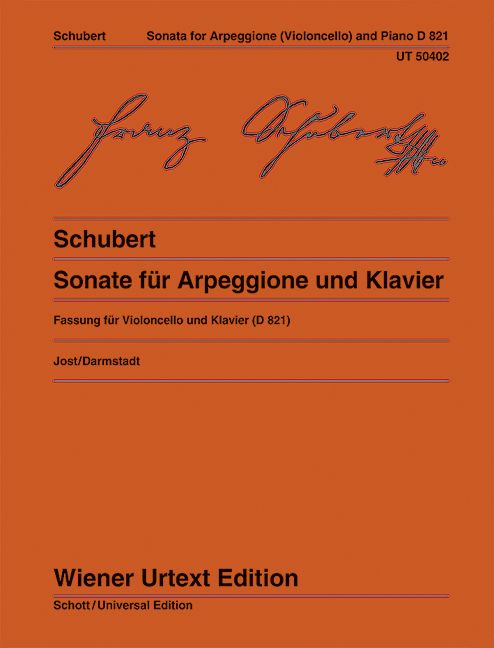
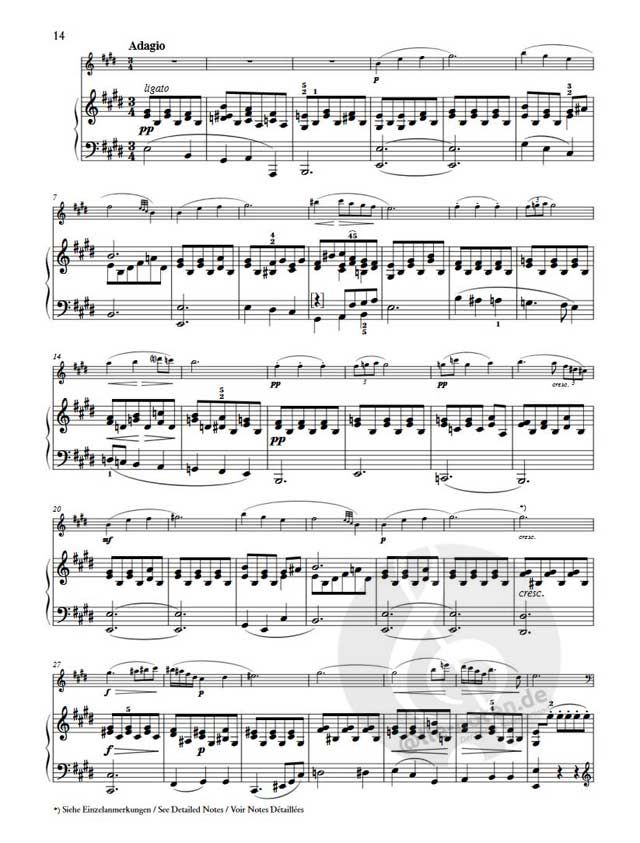
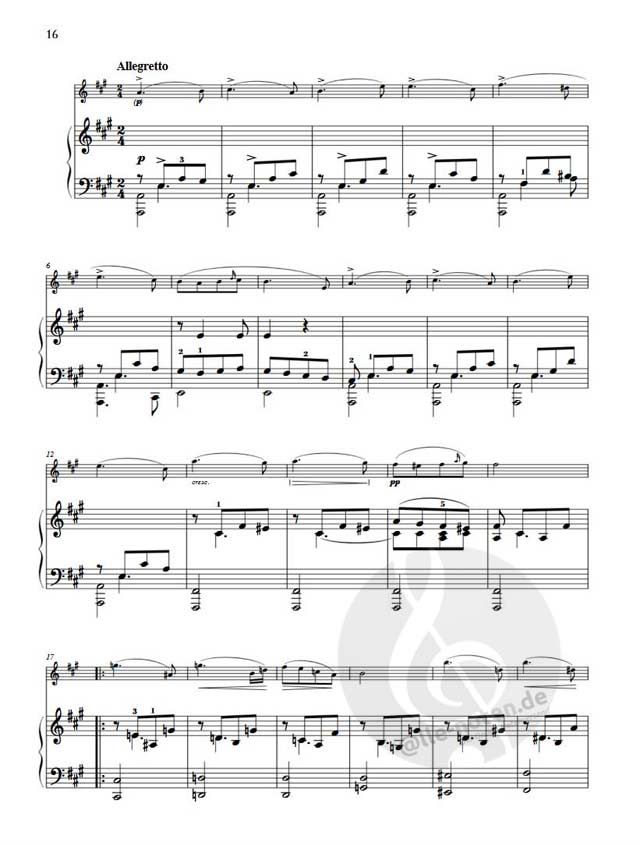
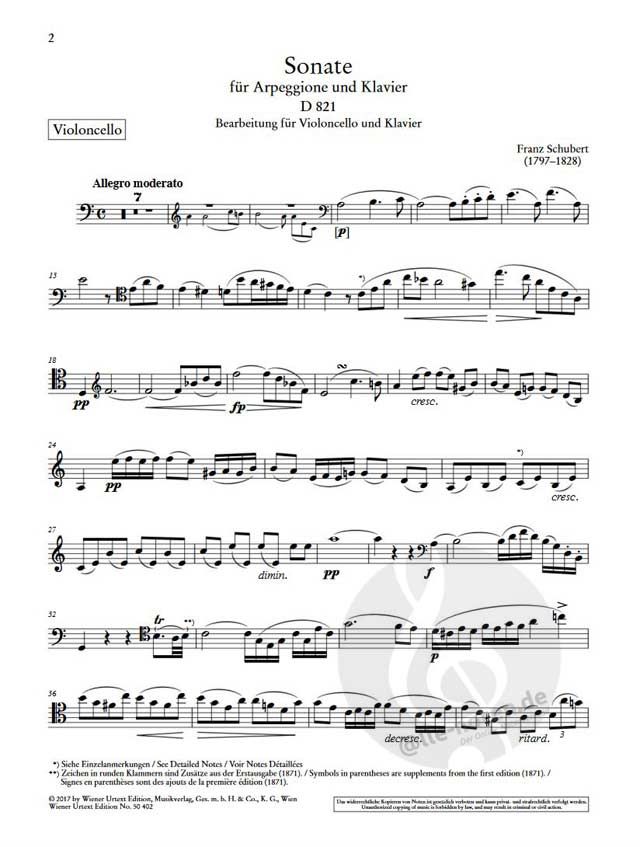
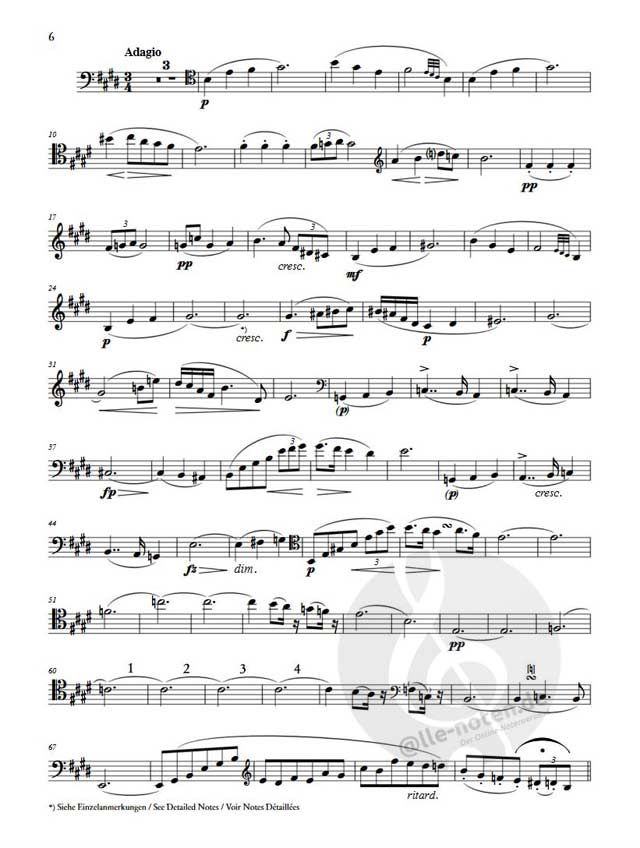
Franz Schubert wrote his Sonata in A minor D 821 for piano and arpeggione, a hybrid instrument between guitar and violoncello that briefly came into fashion in the 1820s. Today, the piece has become a standard work for cello and piano, an instrumentation for which the present edition is also intended. For the few players of an arpeggione, a separate arpeggione part will be available for download.
However, a hitherto little-noticed handwritten violin part in the Bibliothèque Nationale in Paris, which is in the hand of Anton Diabelli, shows that the sonata, written for the arpeggione, which was only in use for a short time, was first arranged for violin and piano long before the well-known version for violoncello and piano appeared with the first printing in 1871. The Wiener Urtext Edition therefore also presents Diabelli's arrangement for violin and piano in a separate edition.
Both editions are essentially based on Schubert's surviving autograph. The violoncello part is based on the first edition, the violin part follows Diabelli's arrangement.
However, a hitherto little-noticed handwritten violin part in the Bibliothèque Nationale in Paris, which is in the hand of Anton Diabelli, shows that the sonata, written for the arpeggione, which was only in use for a short time, was first arranged for violin and piano long before the well-known version for violoncello and piano appeared with the first printing in 1871. The Wiener Urtext Edition therefore also presents Diabelli's arrangement for violin and piano in a separate edition.
Both editions are essentially based on Schubert's surviving autograph. The violoncello part is based on the first edition, the violin part follows Diabelli's arrangement.
Customers rated this product:
Manufacturer Information:
Wiener Urtext Edition
Karlsplatz 6
1010
Wien
Österreich
Other customers also bought:
Jean-Baptiste Bréval
- Cello and Piano
- Sheet Music
-
in stock
ships within 1-2 working days
for violoncello and piano
- Cello and Piano
- Sheet Music
-
in stock
ships within 1-2 working days - Also available for download!
Joseph Haydn
- Cello and Piano
- Sheet Music
-
in stock
ships within 1-2 working days
Joseph Haydn
- Cello and Piano
- Piano reduction with part(s)
-
in stock
ships within 1-2 working days
- 2 Cellos and Piano
- Sheet Music
-
in stock
ships within 1-2 working days
Robert Schumann
Based on the sources edited by Michael Kube
- Cello and Piano
- Score and Parts (Cello) (Urtext)
-
in stock
ships within 1-2 working days
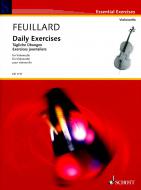
Louis R. Feuillard
- Cello
- Sheet Music
-
in stock
ships within 1-2 working days - Also available for download!
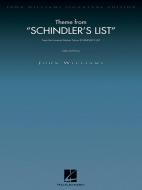
- Cello and Piano
- Piano Reduction
-
in stock
ships within 1-2 working days

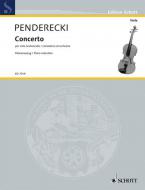
- Viola and Piano
- Piano reduction with part(s) Download
- Boris Pergamenschikow
-
immediately available
Download immediately after ordering
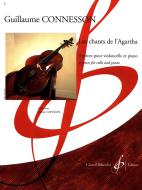
Guillaume Connesson
- Cello and Piano
- Sheet Music
- Dimitry Markevitch
-
ships within 4-8 working days
- Cello and Piano
- Piano Reduction
-
ships within 2-4 weeks




Rebecca Clarke
- Viola and Piano
- Sheet Music
-
in stock
ships within 1-2 working days