
Antoni Cofalik
Scales
2-, 3- and 4-Octave for Violin

Antoni Cofalik
Scales
2-, 3- and 4-Octave for Violin
- Instrumentation Violin
- Edition Sheet Music
- Composer Antoni Cofalik
- Publisher PWM Edition
- Order no. PWM11287010
incl. tax,
excl. shipping costs
 in stock
|
ships within 1-2 working days

Description:
In the first part of this collection we find selected two-octave scales in first position intended for beginners. Something new when compared to those arrangements in use is the introduction of broken chords for the harmonic triads (T-S-D). This reinforces the young violinists sense of function, developing harmonic hearing. A feature of our publication is our seeking rhythmic regularity and proportionality of individual sections of the scale. This type note layout gets the player used to metrical-rhythmical playing and teaches formal discipline.
Part II two-octave scales with a change of position, more extensive passages and double-stopping is more demanding. Smooth transition from upward direction of movement to downward (without stopping on the highest note) gives the scales 'melodiousness'.
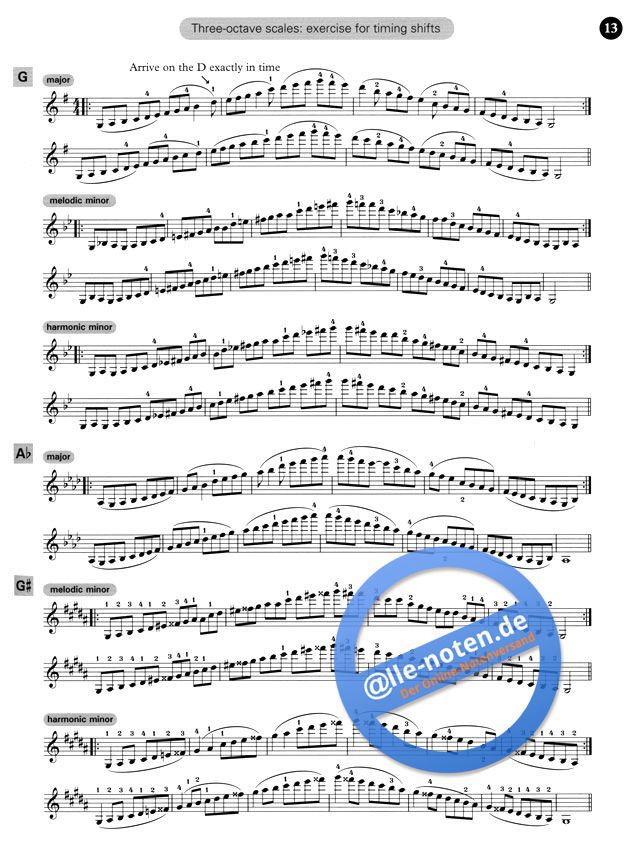
I based the three-octave studies (Part III) on Das Skalensystem by Carl Flesch, expanding them in the direction virtuosic fluency. Not being an advocate of the exclusive use of single-name scales (as they are often played), I have divided major from minor and placed them in separate blocks. Starting both blocks from the lowest note (g) takes gradation of difficulty into account - climbing to ever higher positions.
Selected four-octave scales (Part IV), without the 'flourishes', are intended for more ambitious pupils, students, as well as for mature violinists who want to maintain maximum technical capacity for many years.
Two-octave scales on the G string (Part V) are excellent training for changes of position (smooth movement of the hand around the neck) and a way to quickly warm up. I resigned from the carrying the latter onto the other strings, believing that the ability to play in high positions on the D and A strings is not as essential as on the G string (on the E string we get it in four octave scales and three octave scales that begin higher up). [Antoni Cofalik].
Customers rated this product:
Sheet music shipping since 1969

Since 1969, over 500,000 customers have trusted us. With a huge selection of over 1,000,000 sheet music titles, we are one of the largest providers in Europe. Thanks to our large stock we can often ship sheet music within 24 hours. No matter what sheet music you are looking for: you are in the right place!
Yours, Stefanie Reichert
Head of Customer Service
Other customers also bought:

- Violin
- Sheet Music
- Antoni Cofalik
-
in stock
|
ships within 1-2 working days

Antoni Cofalik
- Violin and Piano
- Sheet Music
-
in stock
|
ships within 1-2 working days

- Violin
- Sheet Music
-
in stock
|
ships within 1-2 working days

- String Trio (2 Violins and Cello)
- Sheet Music
-
in stock
|
ships within 1-2 working days

Antoni Cofalik
- Violin
- Sheet Music
-
ships within 2-4 weeks
- Violin
- Sheet Music
-
in stock
|
ships within 1-2 working days

- Violin and Piano
- Piano Score, Part(s) and Online Audio
-
in stock
|
ships within 1-2 working days
- Also available for download!

9 pieces for violin and piano
- Violin and Piano
- Piano Score, Part(s) and CD
- Nikki Iles
-
ships within 2-4 working days

- Violin
- Sheet Music
-
in stock
|
ships within 1-2 working days

Robert Pracht
- Violin
- Sheet Music
-
in stock
|
ships within 1-2 working days

- Violin
- Sheet Music
-
in stock
|
ships within 1-2 working days

- Violin
- Sheet Music
-
in stock
|
ships within 1-2 working days

Antoni Cofalik
- Violin
- Sheet Music
-
in stock
|
ships within 1-2 working days


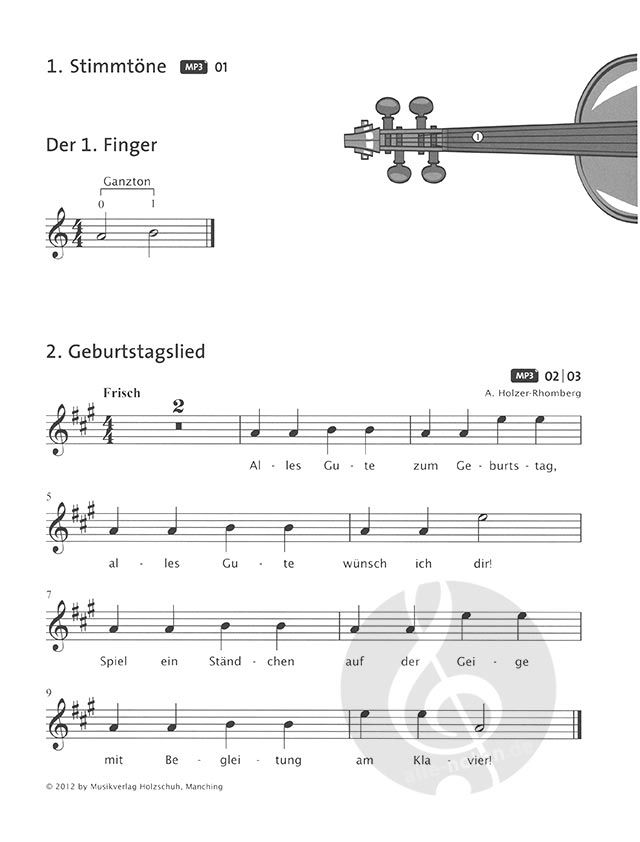
Andrea Holzer-Rhomberg
- Violin
- Sheet Music and Online Audio
-
in stock
|
ships within 1-2 working days