
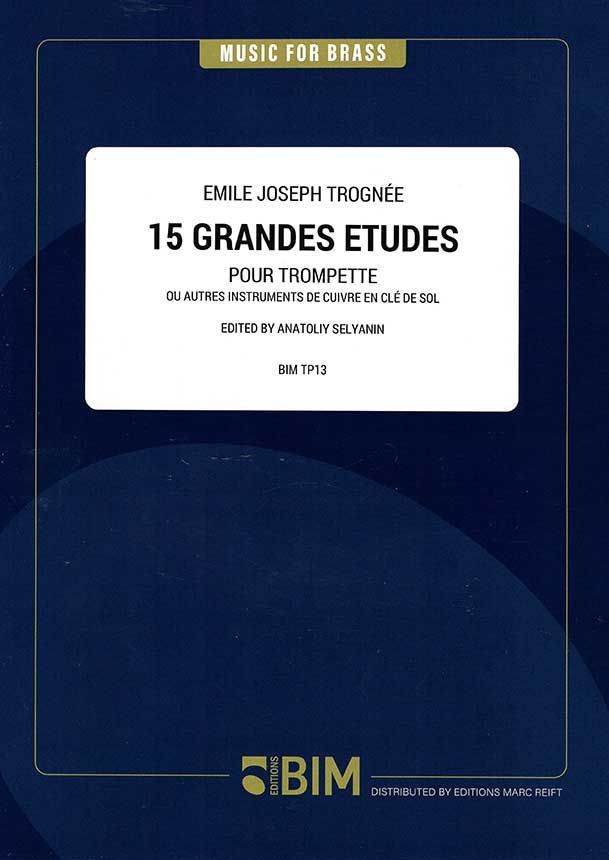
Emile Joseph Trognee
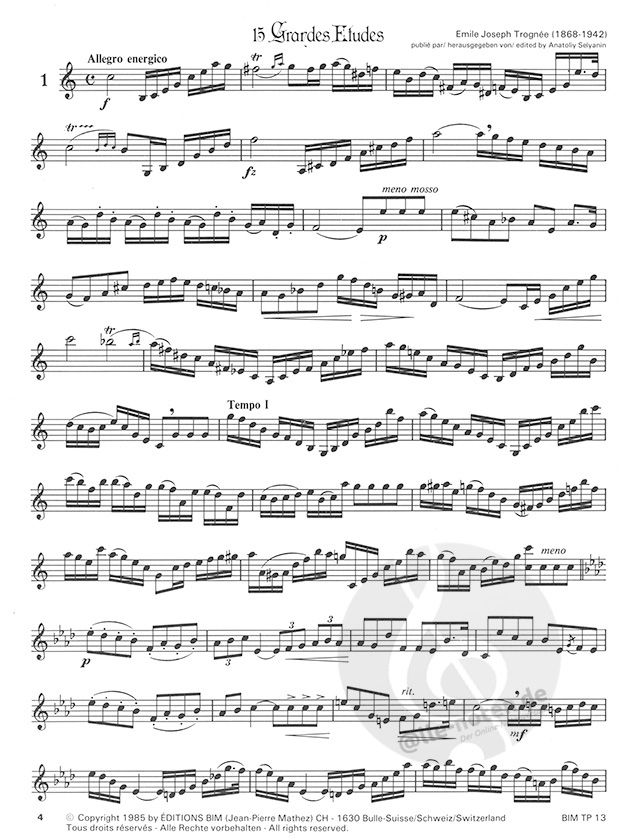
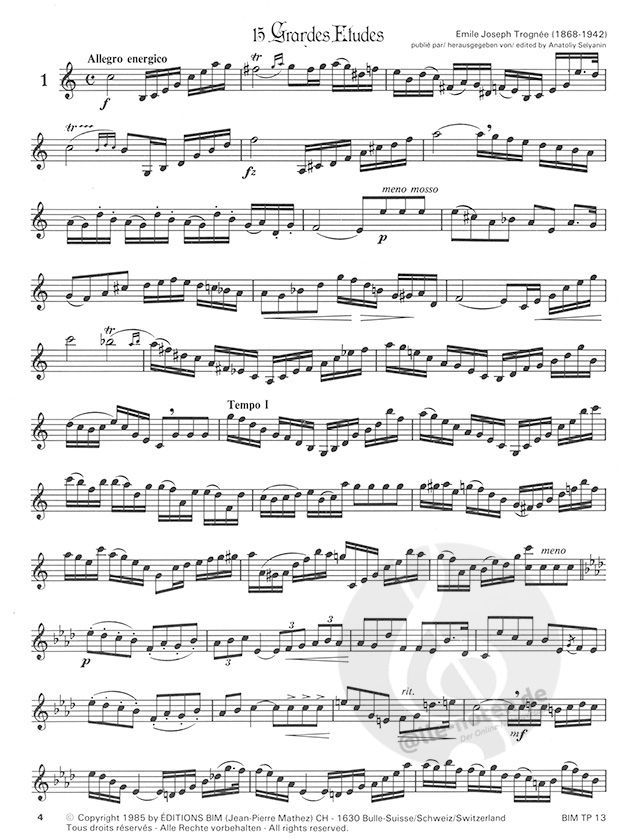
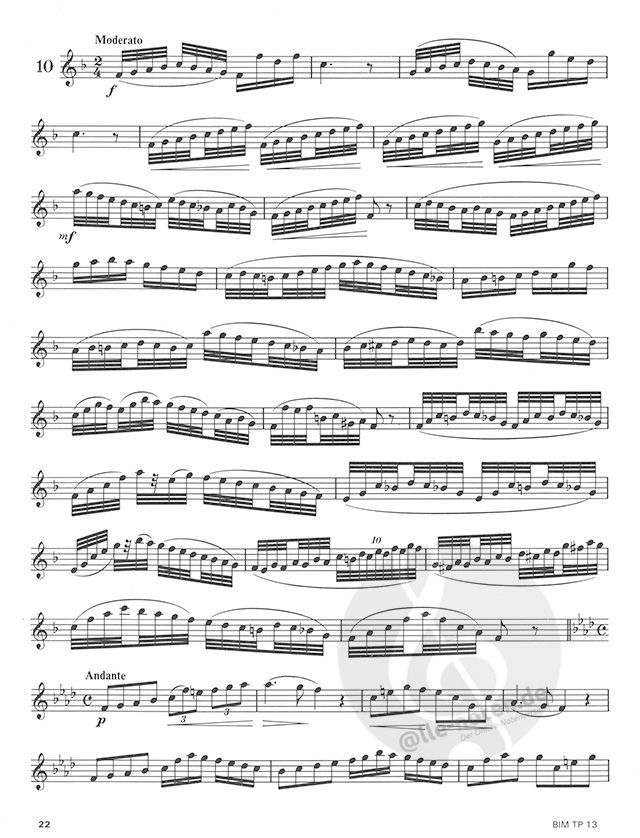
15 Grandes Etudes
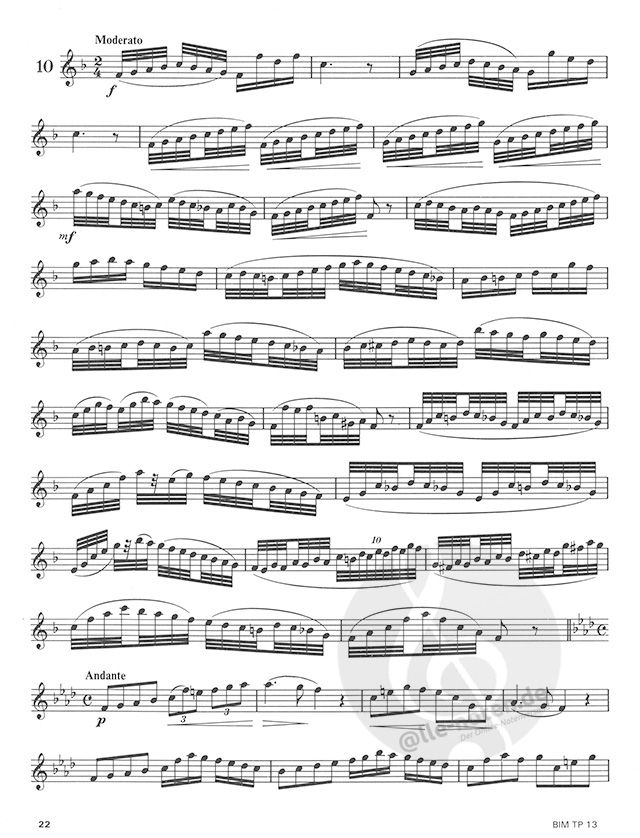
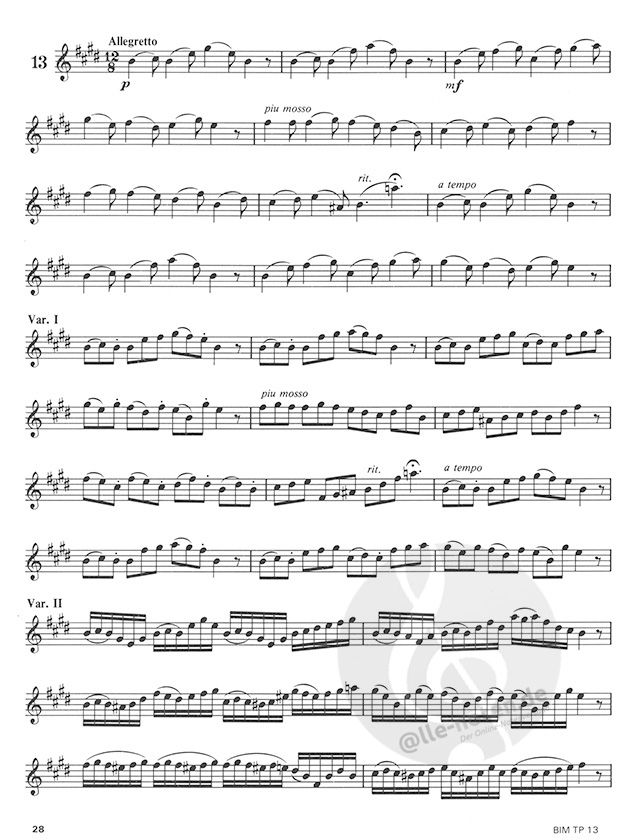
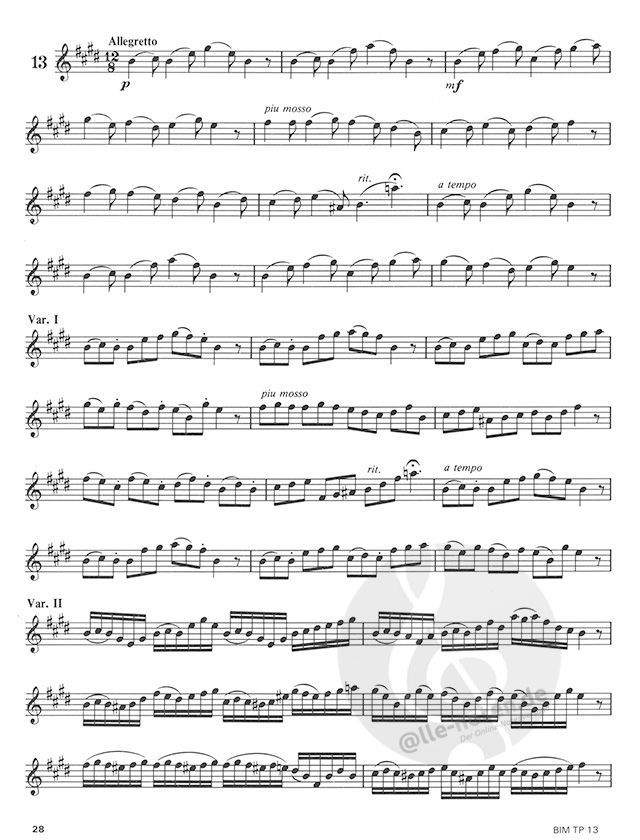
15 etudes of medium difficulty for trumpet or any brass instrument
PDF
view
Emile Joseph Trognee
15 Grandes Etudes
15 etudes of medium difficulty for trumpet or any brass instrument
- Instrumentation Trumpet
- Composer Emile Joseph Trognee
- Editor Anatoly Selianin
-
Difficulty Level
- Edition Sheet Music Download
- Publisher Editions Bim
- Order no. BIM-TP13-DL
 immediately available
Download immediately after ordering
incl. tax,
excl. shipping costs
Not available in all countries. Learn more

Description:
Emile Joseph Trognée was born on July 4, 1868 in Tirimon, Belgium. He studied trumpet at the Brussels Conservatory. After winning a pan-European competition, he was engaged as solo trumpeter and cornettist at the Mariinsky Theater in St. Petersburg. (The theater is now called Kirov, and the city Leningrad.) He then spent the rest of his life in Russia and played at the Mariinskiy Theater for 25 years.
Trognée was a musician of the highest order. The famous Soviet conductor Karl Eliasberg wrote about him:
'Trognée had a unique gift for blending into the ensemble, his playing was remarkable for its precise dynamics and an unerring sense of the character of a musical phrase. His tone was never forced, but always clear, powerful and even in all registers. He was also a great master of very quiet emissions without the use of reeds. His performances in Wagner's Nibelungenring, Rienzi and Lohengrin as well as in operas by Tchaikovsky and Verdi were memorable.'
Trognée was highly esteemed by composers and conductors. He advised Rimsky-Korsakov to make various changes to the trumpet parts in his opera 'The Legend of the Invisible City of Kitezh' (including the well-known passage in the symphonic picture 'The Battle of Kerzhenets').
Trognée taught at the Baltic Music School from 1911-1917 and at the Leningrad Special Music School 'Rimsky-Korsakov' from 1928-1941. He composed various works for trumpet and cornet. His 'Fantasia-Caprice', which is printed in Tabakov's Progressive Elementary School for Trumpet (published in Moscow in 1946), was very popular for a long time. His 'Trumpet Studies', dedicated to Tabakov (published in 1932 by the state publishing house Triton), are also well known. The etudes presented here were composed at various times, but were never published during Trognée's lifetime. After his death in Leningrad in 1942, they were collected by the Soviet trumpeter, composer and teacher Sergey Bolotin. The following edition of Trognée's etudes gives us the opportunity to study the work of one of the great fathers of the Russian school - such as Wassili Wurm, Wassili Brandt and Oskar Böhme.
Anatoli Selianin
Trognée was a musician of the highest order. The famous Soviet conductor Karl Eliasberg wrote about him:
'Trognée had a unique gift for blending into the ensemble, his playing was remarkable for its precise dynamics and an unerring sense of the character of a musical phrase. His tone was never forced, but always clear, powerful and even in all registers. He was also a great master of very quiet emissions without the use of reeds. His performances in Wagner's Nibelungenring, Rienzi and Lohengrin as well as in operas by Tchaikovsky and Verdi were memorable.'
Trognée was highly esteemed by composers and conductors. He advised Rimsky-Korsakov to make various changes to the trumpet parts in his opera 'The Legend of the Invisible City of Kitezh' (including the well-known passage in the symphonic picture 'The Battle of Kerzhenets').
Trognée taught at the Baltic Music School from 1911-1917 and at the Leningrad Special Music School 'Rimsky-Korsakov' from 1928-1941. He composed various works for trumpet and cornet. His 'Fantasia-Caprice', which is printed in Tabakov's Progressive Elementary School for Trumpet (published in Moscow in 1946), was very popular for a long time. His 'Trumpet Studies', dedicated to Tabakov (published in 1932 by the state publishing house Triton), are also well known. The etudes presented here were composed at various times, but were never published during Trognée's lifetime. After his death in Leningrad in 1942, they were collected by the Soviet trumpeter, composer and teacher Sergey Bolotin. The following edition of Trognée's etudes gives us the opportunity to study the work of one of the great fathers of the Russian school - such as Wassili Wurm, Wassili Brandt and Oskar Böhme.
Anatoli Selianin
Here is how the download works:
1 Buy download sheet music
Purchase the download score from our online store
2 Order confirmation with download link
Immediately after completing your order, you will receive an order confirmation by email listing all items. You will find the download link next to each item. You can use this link to start the download right away. Please also check your spam folder if necessary.
Customers rated this product:
Manufacturer Information:
Editions Bim
Route d'Echallens 51
1674
Vuarmarens
Schweiz
Related products:
Emile Joseph Trognee
15 etudes of medium difficulty for trumpet or any brass instrument
- Trumpet
- Sheet Music
- Editions Bim
-
-
ships within 1-2 weeks
- Also available for download!
Other customers also bought:
- Trumpet
- Sheet Music
-
in stock
ships within 1-2 working days
Haydn - Hummel - Neruda
- Trumpet Duet
- Sheet Music
- Neil Mueller
-
in stock
ships within 1-2 working days
Herbert L. Clarke
- Cornet
- Sheet Music
-
in stock
ships within 1-2 working days
- 2 Flugelhorns
- Sheet Music
-
in stock
ships within 1-2 working days

Pierre Thibaud
- Trumpet
- Sheet Music
-
ships within 4-8 working days
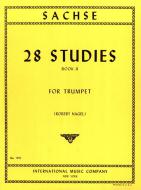
Ernest Sachse
- Trumpet
- Sheet Music
-
in stock
ships within 1-2 working days
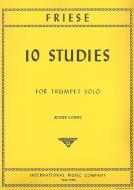
Friese
- Trumpet
- Sheet Music
-
ships within 2-4 weeks
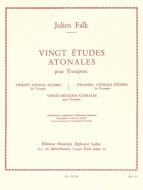
- Trumpet
- Sheet Music
-
ships within 3-6 working days
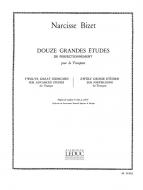
- Trumpet
- Sheet Music
-
ships within 3-6 working days
Ernest Sachse
- Trumpet
- Sheet Music
-
in stock
ships within 1-2 working days
- Trumpet
- Sheet Music
-
ships within 3-6 working days
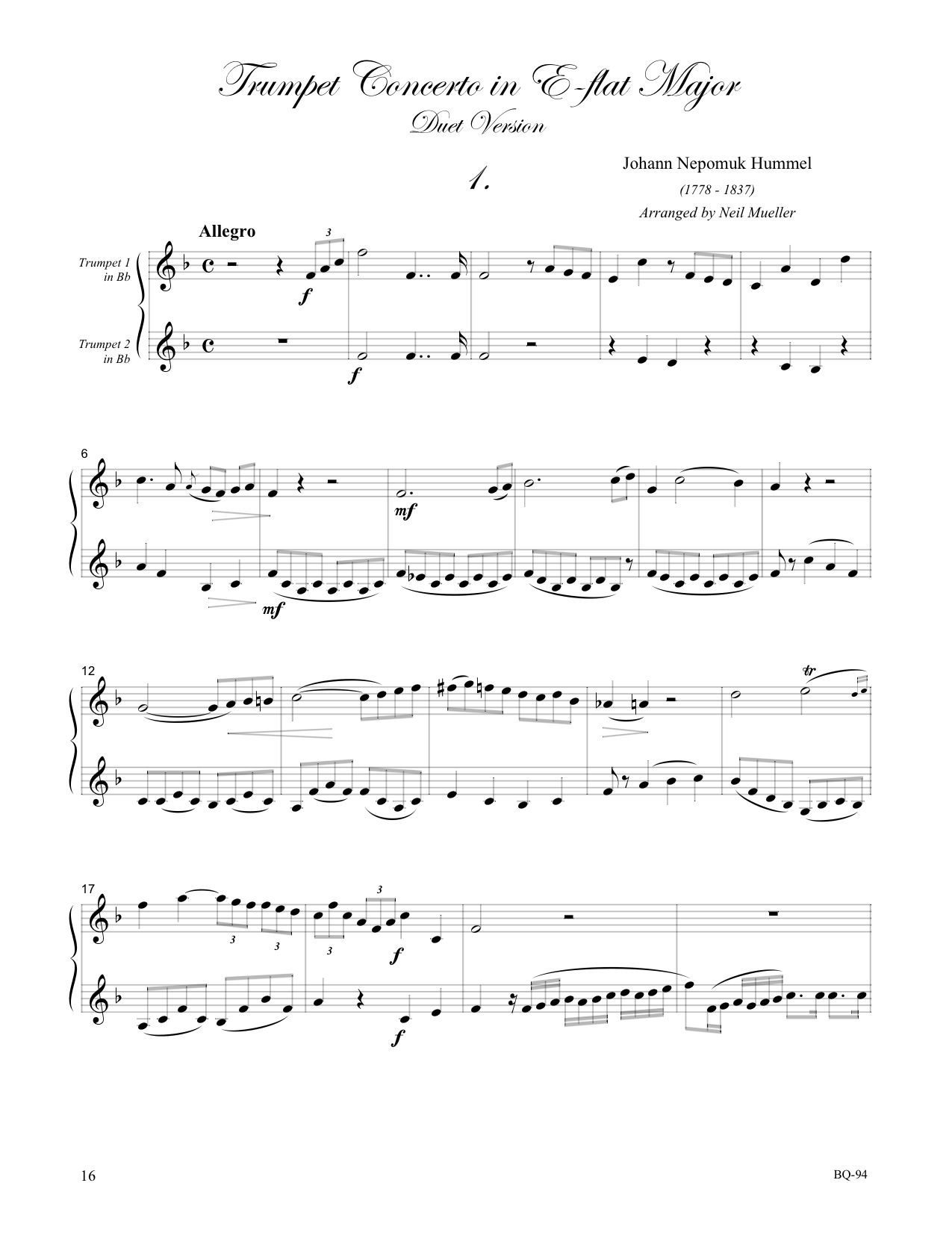



- Trumpet
- Sheet Music
-
ships within 3-6 working days