
Wolfgang Amadeus Mozart Sheet Music
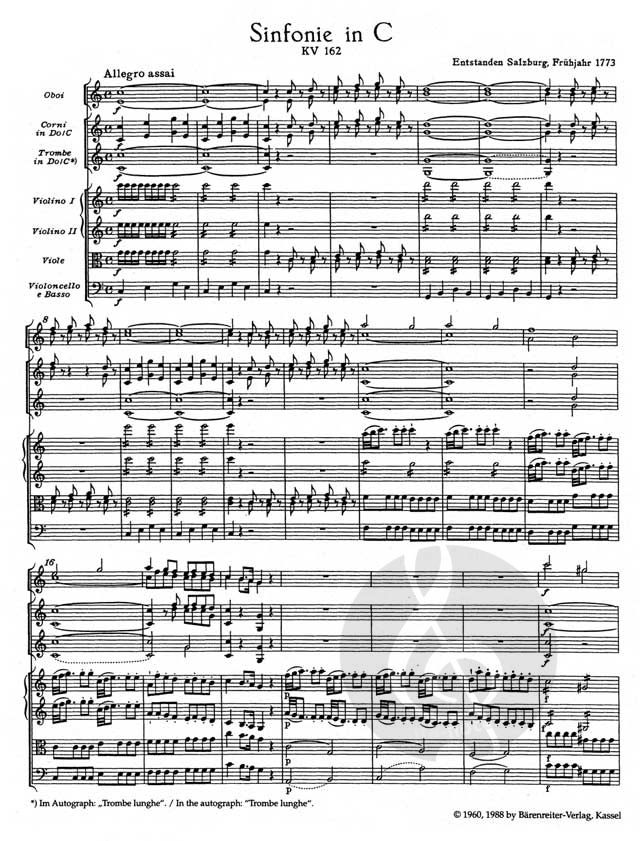
Urtext der Neuen Mozart-Ausgabe. Oboe (2), Horn (2), Trompete (2), Streicher - Partitur; Urtextausgabe
Urtext der Neuen Mozart-Ausgabe. Oboe (2), Horn (2), Trompete (2), Streicher - Partitur; Urtextausgabe
- Orchestra
- Score (Urtext)
- Bärenreiter Verlag
-
 ships within 2-4 working days
- Also available for download!
ships within 2-4 working days

Urtext der Neuen Mozart-Ausgabe. Oboe (2), Horn (2), Trompete (2), Streicher - Partitur; Urtextausgabe
Urtext der Neuen Mozart-Ausgabe. Oboe (2), Horn (2), Trompete (2), Streicher - Partitur; Urtextausgabe
- Orchestra
- Score (Urtext) Download
- Bärenreiter Verlag
-
immediately available
Download immediately after ordering - Instant download
immediately available
| Download immediately after ordering
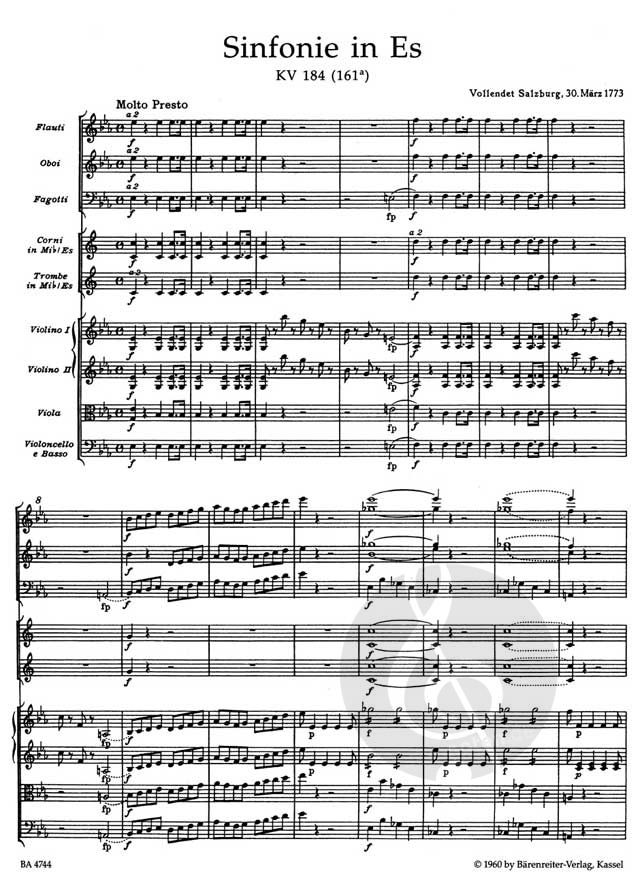
Urtext der Neuen Mozart-Ausgabe. Flöte (2), Oboe (2), Fagott (2), Horn (2), Trompete (2), Streicher - Partitur; Urtextausgabe
Urtext der Neuen Mozart-Ausgabe. Flöte (2), Oboe (2), Fagott (2), Horn (2), Trompete (2), Streicher - Partitur; Urtextausgabe
- Orchestra
- Score (Urtext)
- Bärenreiter Verlag
-
ships within 2-4 working days
- Also available for download!
ships within 2-4 working days
Urtext der Neuen Mozart-Ausgabe. Flöte (2), Oboe (2), Fagott (2), Horn (2), Trompete (2), Streicher - Partitur; Urtextausgabe
Urtext der Neuen Mozart-Ausgabe. Flöte (2), Oboe (2), Fagott (2), Horn (2), Trompete (2), Streicher - Partitur; Urtextausgabe
- Orchestra
- Score (Urtext) Download
- Bärenreiter Verlag
-
immediately available
Download immediately after ordering - Instant download
immediately available
| Download immediately after ordering
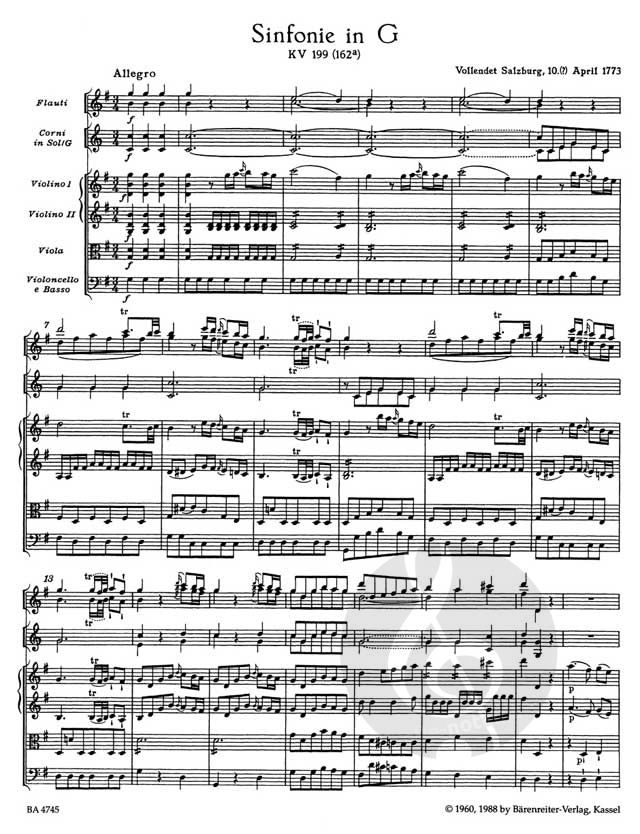
Urtext der Neuen Mozart-Ausgabe. Oboe (2), Horn (2), Streicher - Partitur; Urtextausgabe
Urtext der Neuen Mozart-Ausgabe. Oboe (2), Horn (2), Streicher - Partitur; Urtextausgabe
- Orchestra
- Score (Urtext)
- Bärenreiter Verlag
-
ships within 2-4 working days
- Also available for download!
ships within 2-4 working days
Urtext der Neuen Mozart-Ausgabe. Oboe (2), Horn (2), Streicher - Partitur; Urtextausgabe
Urtext der Neuen Mozart-Ausgabe. Oboe (2), Horn (2), Streicher - Partitur; Urtextausgabe
- Orchestra
- Score (Urtext) Download
- Bärenreiter Verlag
-
immediately available
Download immediately after ordering - Instant download
immediately available
| Download immediately after ordering
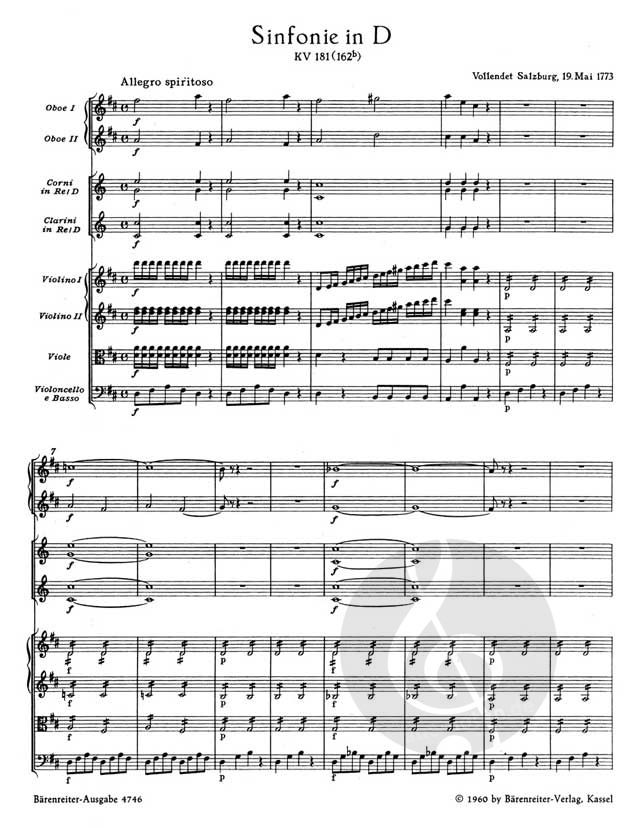
Urtext der Neuen Mozart-Ausgabe. Oboe (2), Horn (2), Trompete (2), Streicher - Partitur; Urtextausgabe
Urtext der Neuen Mozart-Ausgabe. Oboe (2), Horn (2), Trompete (2), Streicher - Partitur; Urtextausgabe
- Orchestra
- Score (Urtext)
- Bärenreiter Verlag
-
ships within 2-4 working days
- Also available for download!
ships within 2-4 working days
Urtext der Neuen Mozart-Ausgabe. Oboe (2), Horn (2), Trompete (2), Streicher - Partitur; Urtextausgabe
Urtext der Neuen Mozart-Ausgabe. Oboe (2), Horn (2), Trompete (2), Streicher - Partitur; Urtextausgabe
- Orchestra
- Score (Urtext) Download
- Bärenreiter Verlag
-
immediately available
Download immediately after ordering - Instant download
immediately available
| Download immediately after ordering
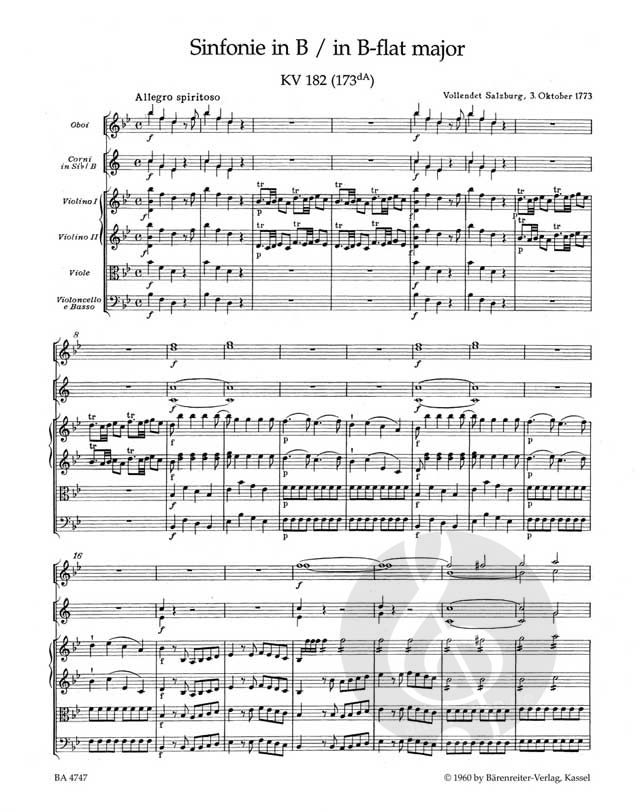
Urtext der Neuen Mozart-Ausgabe. Flöte (2), Oboe (2), Horn (2), Streicher - Partitur; Urtextausgabe
Urtext der Neuen Mozart-Ausgabe. Flöte (2), Oboe (2), Horn (2), Streicher - Partitur; Urtextausgabe
- Orchestra
- Score (Urtext)
- Bärenreiter Verlag
-
ships within 2-4 working days
- Also available for download!
ships within 2-4 working days
Urtext der Neuen Mozart-Ausgabe. Flöte (2), Oboe (2), Horn (2), Streicher - Partitur; Urtextausgabe
Urtext der Neuen Mozart-Ausgabe. Flöte (2), Oboe (2), Horn (2), Streicher - Partitur; Urtextausgabe
- Orchestra
- Score (Urtext) Download
- Bärenreiter Verlag
-
immediately available
Download immediately after ordering - Instant download
immediately available
| Download immediately after ordering
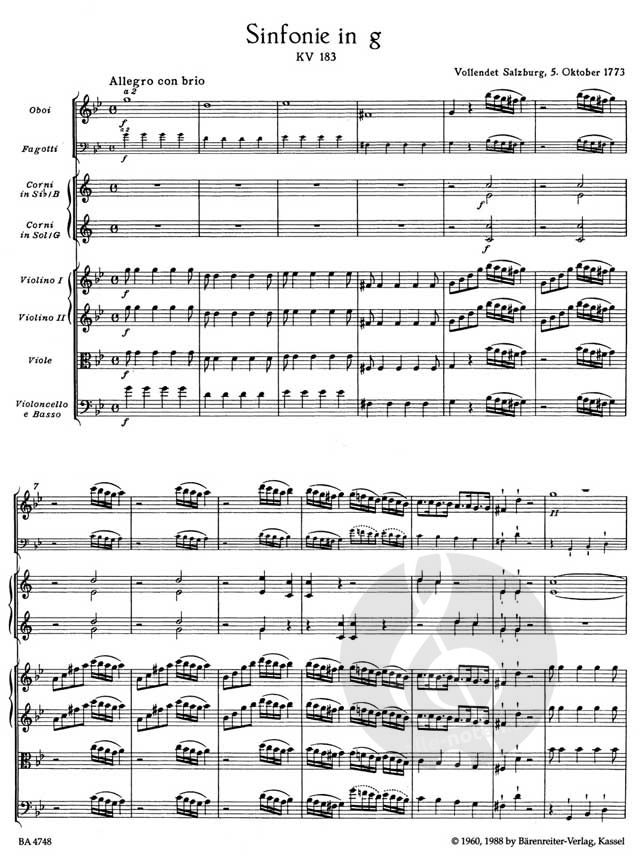
Experience Mozart's thrilling Symphony No. 25 in G minor, K. 183 (KV6: 173 dB) in supreme editorial quality! Composed in 1773, Mozart’s first major minor-key symphony represents a dramatic turning poi...
Experience Mozart's thrilling Symphony No. 25 in G minor, K. 183 (KV6: 173 dB) in supreme editorial quality! Composed in 1773, Mozart’s first major minor-key symphony represents a dramatic turning poi...
- Orchestra
- Score (Urtext) Download
- Bärenreiter Verlag
-
immediately available
Download immediately after ordering - Instant download
immediately available
| Download immediately after ordering
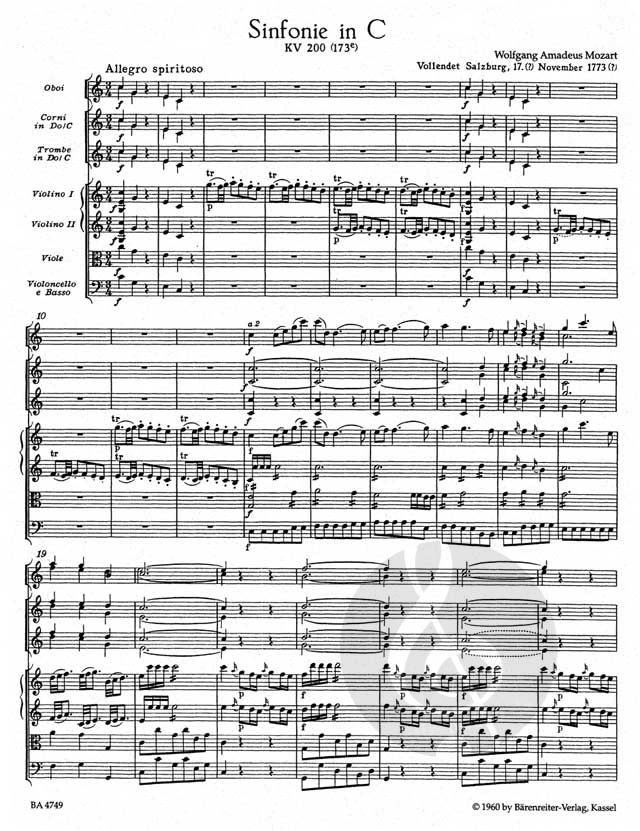
Urtext der Neuen Mozart-Ausgabe. Oboe (2), Horn (2), Trompete (2) - Partitur; Urtextausgabe
Urtext der Neuen Mozart-Ausgabe. Oboe (2), Horn (2), Trompete (2) - Partitur; Urtextausgabe
- Orchestra
- Score (Urtext) Download
- Bärenreiter Verlag
-
immediately available
Download immediately after ordering - Instant download
immediately available
| Download immediately after ordering
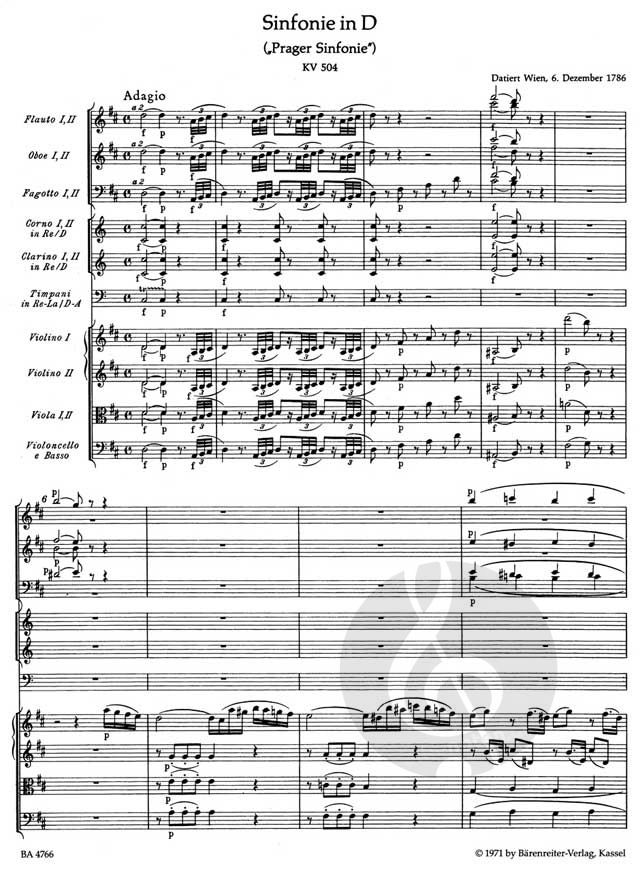
Wolfgang Amadeus Mozart's Symphony No. 38 in D major, K. 504, famously known as the "Prague Symphony", is universally regarded as one of the crowning achievements of Viennese Classicism. Enthusiastica...
Wolfgang Amadeus Mozart's Symphony No. 38 in D major, K. 504, famously known as the "Prague Symphony", is universally regarded as one of the crowning achievements of Viennese Classicism. Enthusiastica...
- Orchestra
- Score (Urtext) Download
- Bärenreiter Verlag
-
immediately available
Download immediately after ordering - Instant download
immediately available
| Download immediately after ordering
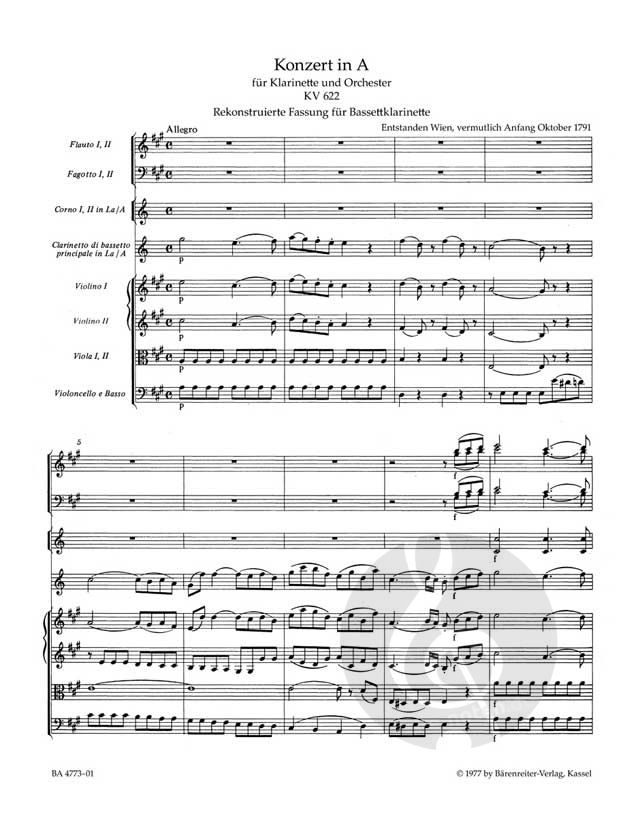
Konzert für Klarinette (Bassettklarinette) und Orchester. Fassung für Bassettklarinette. Urtext der Neuen Mozart-Ausgabe. KlarSolo, Flöte (2), Fagott (2), Horn (2), Streicher - Partitur; Urtextausgabe
Konzert für Klarinette (Bassettklarinette) und Orchester. Fassung für Bassettklarinette. Urtext der Neuen Mozart-Ausgabe. KlarSolo, Flöte (2), Fagott (2), Horn (2), Streicher - Partitur; Urtextausgabe
- Clarinet and Orchestra
- Score (Urtext)
- Bärenreiter Verlag
-
ships within 2-4 working days
- Also available for download!
ships within 2-4 working days
Konzert für Klarinette (Bassettklarinette) und Orchester. Fassung für Bassettklarinette. Urtext der Neuen Mozart-Ausgabe. KlarSolo, Flöte (2), Fagott (2), Horn (2), Streicher - Partitur; Urtextausgabe
Konzert für Klarinette (Bassettklarinette) und Orchester. Fassung für Bassettklarinette. Urtext der Neuen Mozart-Ausgabe. KlarSolo, Flöte (2), Fagott (2), Horn (2), Streicher - Partitur; Urtextausgabe
- Clarinet and Orchestra
- Score (Urtext) Download
- Bärenreiter Verlag
-
immediately available
Download immediately after ordering - Instant download
immediately available
| Download immediately after ordering
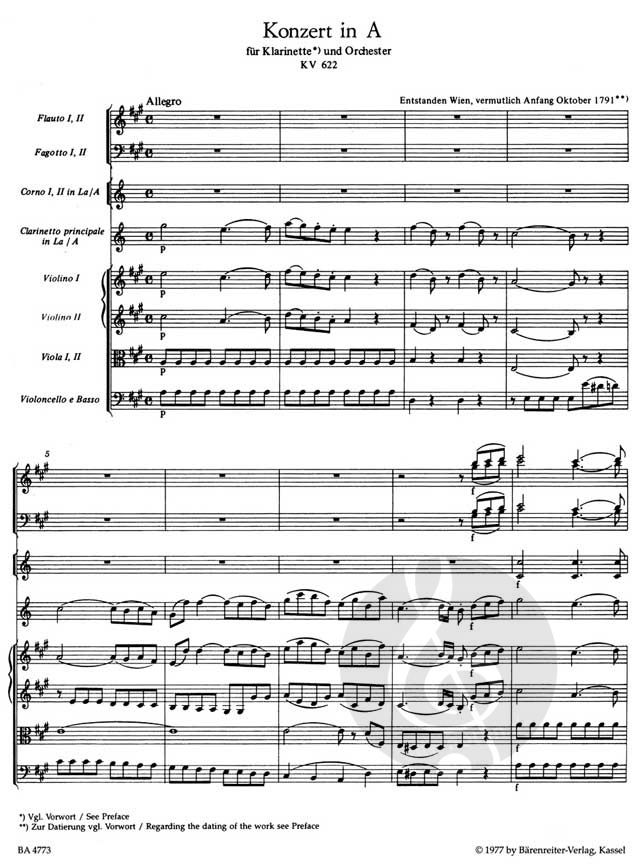
Konzert für Klarinette (Bassettklarinette) und Orchester. Fassung für Klarinette. Urtext der Neuen Mozart-Ausgabe. Klarinette Solo, Flöte (2), Fagott (2), Horn (2), Streicher - Partitur; Urtextausgabe
Konzert für Klarinette (Bassettklarinette) und Orchester. Fassung für Klarinette. Urtext der Neuen Mozart-Ausgabe. Klarinette Solo, Flöte (2), Fagott (2), Horn (2), Streicher - Partitur; Urtextausgabe
- Clarinet and Orchestra
- Score (Urtext) Download
- Bärenreiter Verlag
-
immediately available
Download immediately after ordering - Instant download
immediately available
| Download immediately after ordering
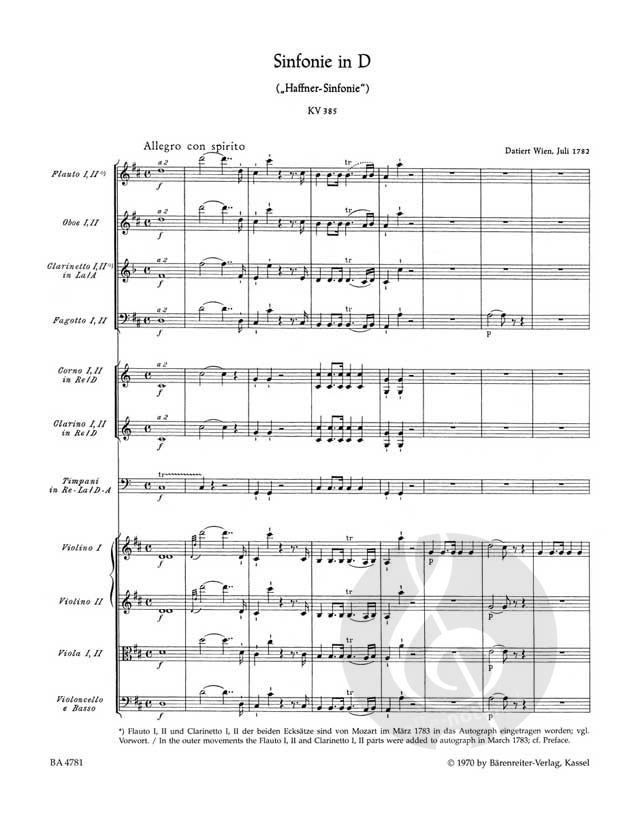
Urtext of the New Mozart Edition. Flute (2), oboe (2), clarinet in b flat (2), bassoon (2), horn (2), trumpet (2), timpani, strings - Score; Urtext edition
Urtext of the New Mozart Edition. Flute (2), oboe (2), clarinet in b flat (2), bassoon (2), horn (2), trumpet (2), timpani, strings - Score; Urtext edition
- Orchestra
- Score (Urtext) Download
- Bärenreiter Verlag
-
immediately available
Download immediately after ordering - Instant download
immediately available
| Download immediately after ordering
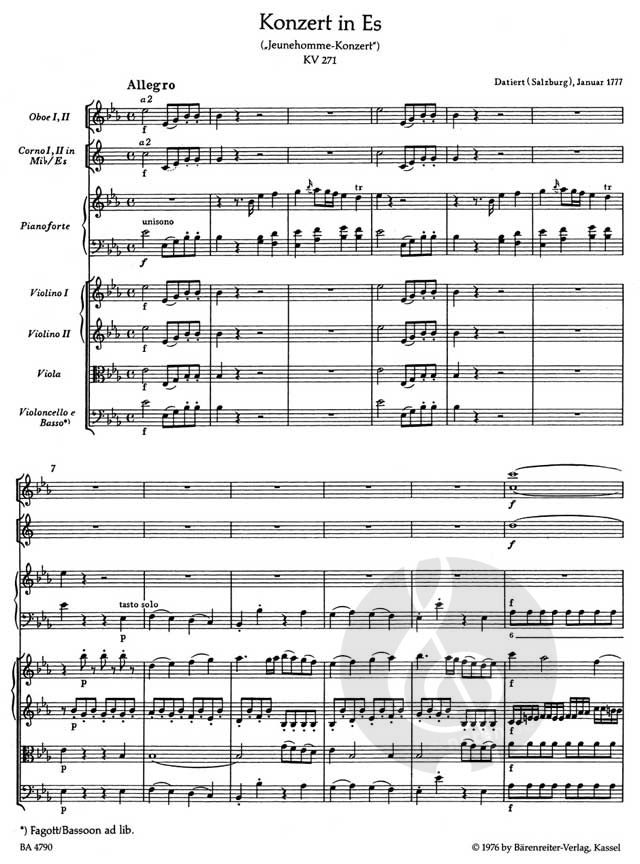
Wolfgang Amadeus Mozart's Piano Concerto No. 9 in E-flat major, K. 271, famously known as the "Jeunehomme" Concerto, stands as a monumental milestone in classical concerto repertoire. Bursting with dr...
Wolfgang Amadeus Mozart's Piano Concerto No. 9 in E-flat major, K. 271, famously known as the "Jeunehomme" Concerto, stands as a monumental milestone in classical concerto repertoire. Bursting with dr...
- Piano and Orchestra
- Score (Urtext) Download
- Bärenreiter Verlag
-
immediately available
Download immediately after ordering - Instant download
immediately available
| Download immediately after ordering
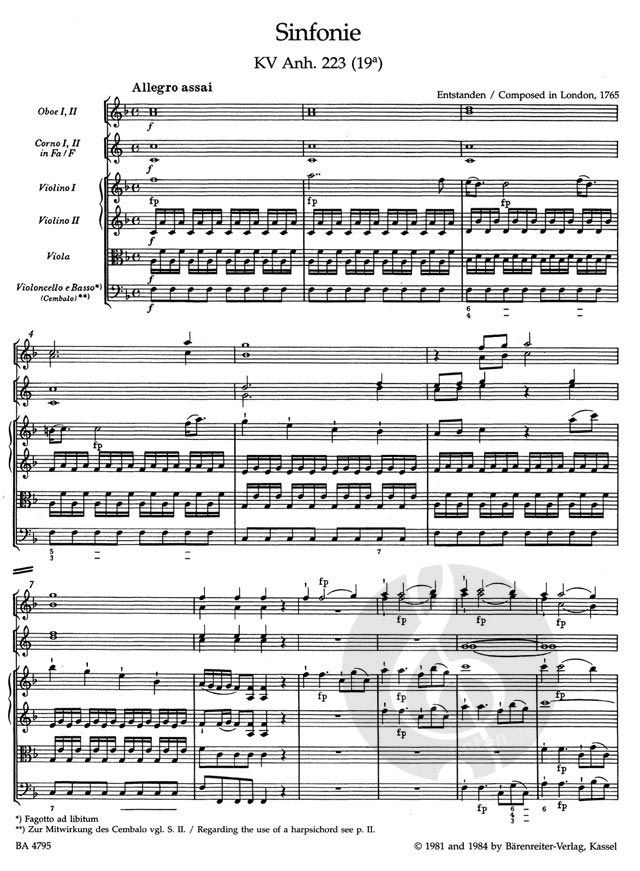
Urtext der Neuen Mozart-Ausgabe Oboe (2), Horn (2), Streicher, Basso continuo - Partitur; Urtextausgabe
Urtext der Neuen Mozart-Ausgabe Oboe (2), Horn (2), Streicher, Basso continuo - Partitur; Urtextausgabe
- Orchestra
- Score (Urtext)
- Bärenreiter Verlag
-
ships within 2-4 working days
- Also available for download!
ships within 2-4 working days
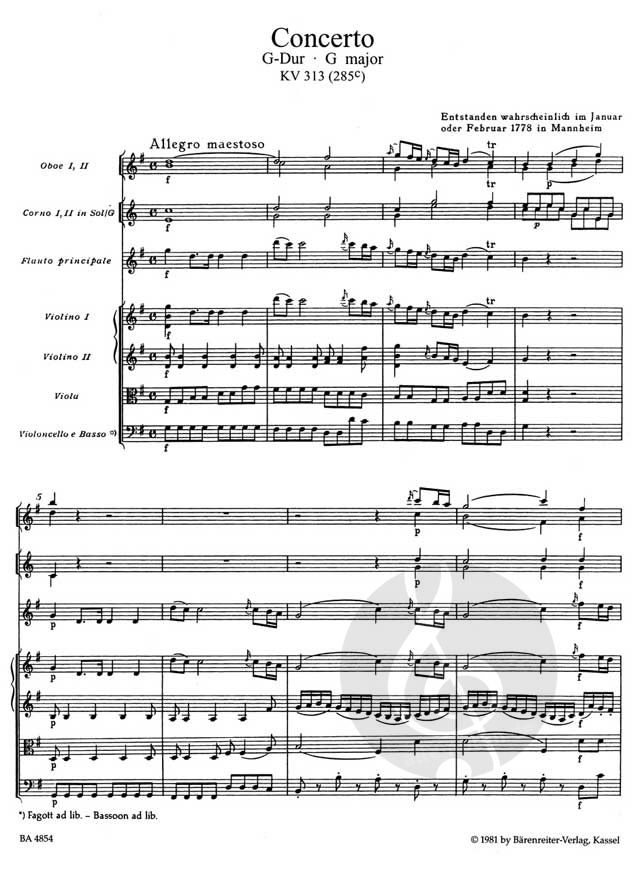
Wolfgang Amadeus Mozart's Concerto in G major, K. 313 (285c) for Flute and Orchestra is one of the most radiant masterpieces in the classical wind repertoire. With its effortless elegance, sparkling v...
Wolfgang Amadeus Mozart's Concerto in G major, K. 313 (285c) for Flute and Orchestra is one of the most radiant masterpieces in the classical wind repertoire. With its effortless elegance, sparkling v...
- Flute and Orchestra
- Score (Urtext) Download
- Bärenreiter Verlag
-
immediately available
Download immediately after ordering - Instant download
immediately available
| Download immediately after ordering
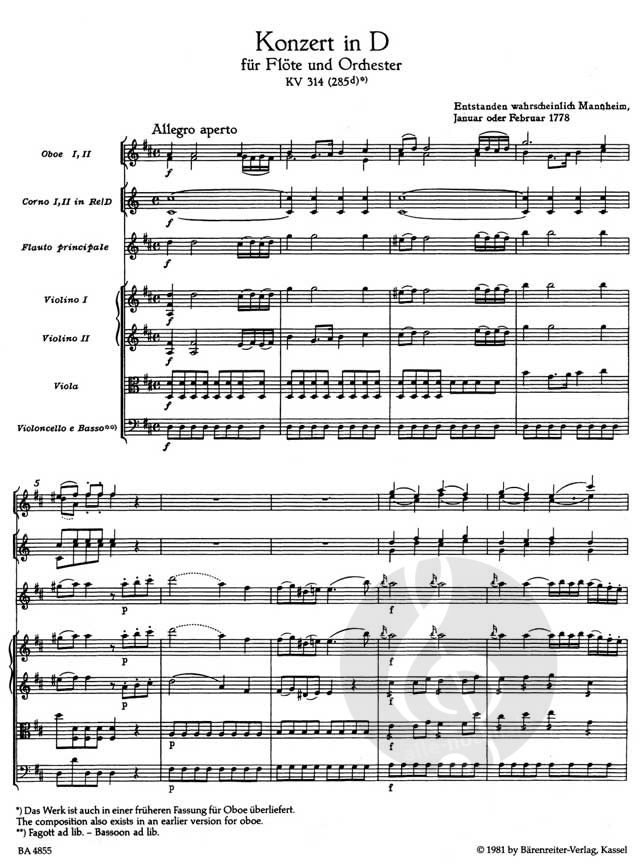
Wolfgang Amadeus Mozart's Concerto in D major K. 314 (285d) for Flute and Orchestra is undoubtedly one of the most radiant and beloved masterpieces in the classical flute repertoire. With its playful...
Wolfgang Amadeus Mozart's Concerto in D major K. 314 (285d) for Flute and Orchestra is undoubtedly one of the most radiant and beloved masterpieces in the classical flute repertoire. With its playful...
- Flute and Orchestra
- Score (Urtext)
- Bärenreiter Verlag
-
ships within 2-4 working days
- Also available for download!
ships within 2-4 working days
Wolfgang Amadeus Mozart's Concerto in D major K. 314 (285d) for Flute and Orchestra is undoubtedly one of the most radiant and beloved masterpieces in the classical flute repertoire. With its playful...
Wolfgang Amadeus Mozart's Concerto in D major K. 314 (285d) for Flute and Orchestra is undoubtedly one of the most radiant and beloved masterpieces in the classical flute repertoire. With its playful...
- Flute and Orchestra
- Score (Urtext) Download
- Bärenreiter Verlag
-
immediately available
Download immediately after ordering - Instant download
immediately available
| Download immediately after ordering
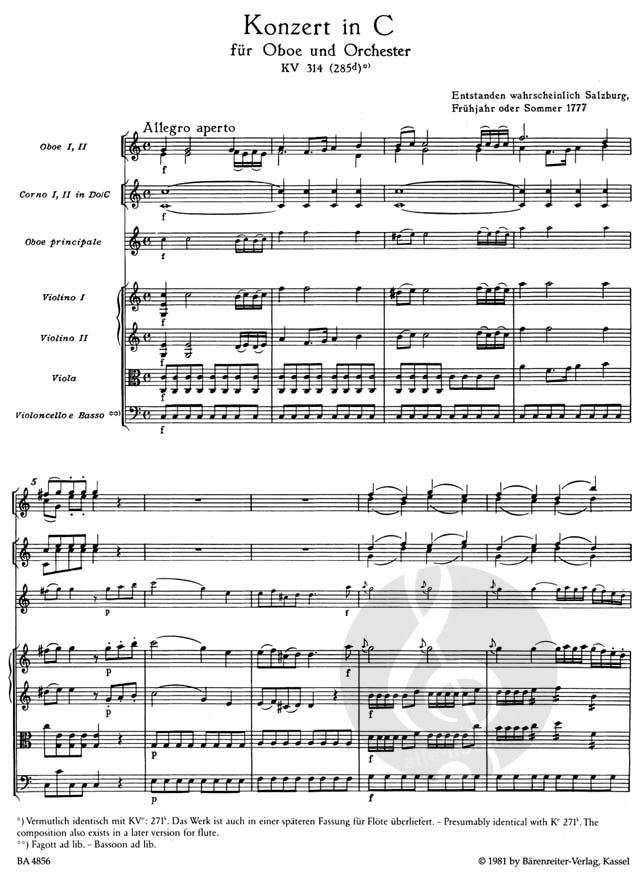
Wolfgang Amadeus Mozart’s Oboe Concerto in C major K. 314 (285d) is one of the most radiant and beloved masterworks in the woodwind repertoire. Full of classical elegance, infectious vitality, and inc...
Wolfgang Amadeus Mozart’s Oboe Concerto in C major K. 314 (285d) is one of the most radiant and beloved masterworks in the woodwind repertoire. Full of classical elegance, infectious vitality, and inc...
- Oboe and Orchestra
- Score (Urtext) Download
- Bärenreiter Verlag
-
immediately available
Download immediately after ordering - Instant download
immediately available
| Download immediately after ordering
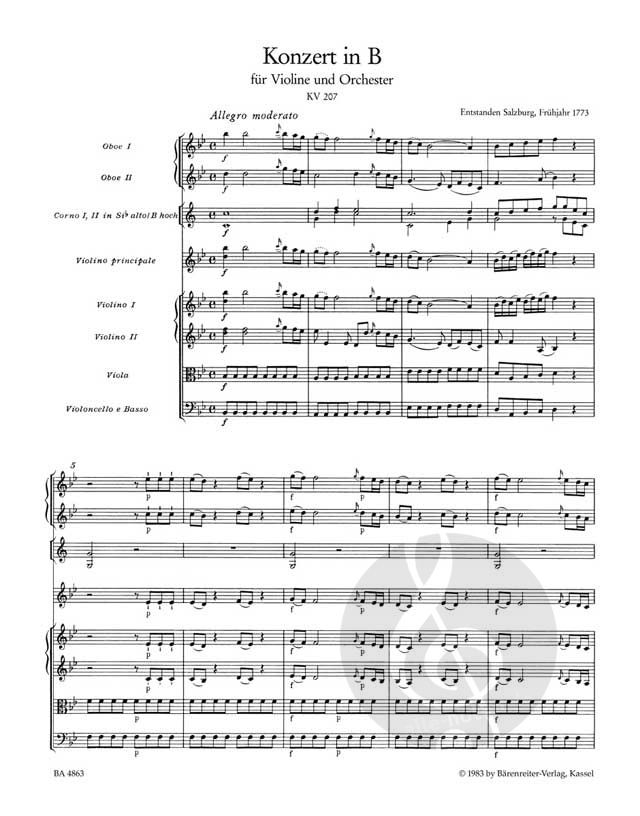
The works in which Mozart used string instruments as soloists were mainly composed between 1773 and 1779. However, the years 1773 and 1775 are of particular significance within this period: the five c...
The works in which Mozart used string instruments as soloists were mainly composed between 1773 and 1779. However, the years 1773 and 1775 are of particular significance within this period: the five c...
- Violin and Orchestra
- Score (Urtext) Download
- Bärenreiter Verlag
-
immediately available
Download immediately after ordering - Instant download
immediately available
| Download immediately after ordering
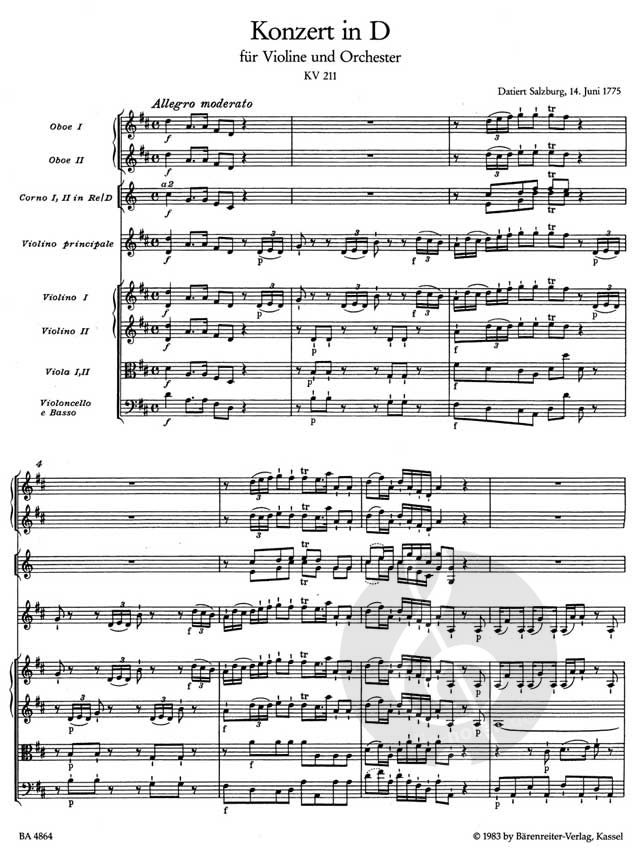
Konzert für Violine und Orchester. Urtext der Neuen Mozart-Ausgabe. Violine Solo, Oboe (2), Horn (2), Streicher - Partitur; Urtextausgabe
Konzert für Violine und Orchester. Urtext der Neuen Mozart-Ausgabe. Violine Solo, Oboe (2), Horn (2), Streicher - Partitur; Urtextausgabe
- Violin and Orchestra
- Score (Urtext)
- Bärenreiter Verlag
-
ships within 2-4 working days
- Also available for download!
ships within 2-4 working days
Wolfgang Amadeus Mozart
Joannes Chrysostomus Wolfgangus Theophilus Mozart (b. January 27, 1756 in Salzburg, † December 5, 1791 in Vienna), in short Wolfgang Amadeus Mozart (or Amadé, as the composer himself signed his works and letters) was a composer of the 'Viennese Classicism', influenced by southern German and Italian stylistic elements of the second half of the 18th century. Baroque polyphony can also be found in some of his compositions (Final of the String Quartet in G Major, KV 387, Final of the "Jupiter" Symphony, KV 551). A total of some 60 symphonies, 30 piano concertos and five violin concertos are attributed to W.A. Mozart, along with other concertos for solo instruments, numerous chamber works, an extensive repertoire of piano music compositions and art songs.
For the Viennese public, Mozart created German-language Singspiele such as The Magic Flute (KV 620) with high entertainment value and allusions to his membership in the Masonic lodge, as well as Italian-language operas such as Le nozze de Figaro (KV 492); in all, Mozart composed 21 operas and Singspiele.
Mozart was also an important exponent of his time in church music; in addition to 17 masses, he created cantatas, oratorios, vespers, and arguably his most important work, the Requiem in D minor (KV 626), which was no longer completed by him, but by Joseph Eybler and Franz Xaver Süßmayr, a student of Mozart, commissioned by Constanze Mozart (the composer's widow).
You can search our online store specifically for titles by Wolfgang Amadeus Mozart. Also a search by Köchel directory number (e.g. KV 525 for A Little Night Music, the Serenade No. 13 for Strings in G Major) will lead you specifically to the desired work.