
Wolfgang Amadeus Mozart
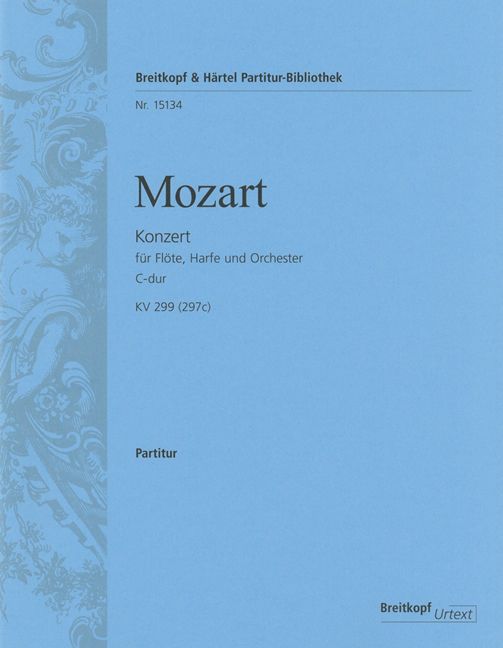
Konzert C-Dur KV 299 (297c)
for flute, harp and orchestra
PDF
view
Wolfgang Amadeus Mozart
Konzert C-Dur KV 299 (297c)
for flute, harp and orchestra
- Instrumentation Flute, Harp and Orchestra
- Composer Wolfgang Amadeus Mozart
- Editor András Adorján
- Edition Score (Urtext)
- Publisher Breitkopf & Härtel
- Order no. PB15134
 ships within 2-5 working days
incl. tax,
excl. shipping costs
Not available in all countries. Learn more

Description:
Easily playable, simply handed down
Mozart went into raptures with his father: the Comte de Guines played the flute 'incomparably', his daughter 'magnifique the harp', and so the composer apparently had no inhibitions to write a double concerto for this extravagant instrumentation in Paris in 1778, although he had shortly before announced to his father that he 'could not stand' the flute. It is peculiar that Mozart then penned a distinctive, rather easily playable work - should he, for whatever reason, have exaggerated in the description of the technical abilities of his principals? The source situation is clear: there is an autograph which is authoritative in every respect and which can be transposed without contradiction into a modern Urtext edition even in the distinction between staccato dots and strokes.
Cadenzas in the piano reduction by Robert D. Levin
Mozart went into raptures with his father: the Comte de Guines played the flute 'incomparably', his daughter 'magnifique the harp', and so the composer apparently had no inhibitions to write a double concerto for this extravagant instrumentation in Paris in 1778, although he had shortly before announced to his father that he 'could not stand' the flute. It is peculiar that Mozart then penned a distinctive, rather easily playable work - should he, for whatever reason, have exaggerated in the description of the technical abilities of his principals? The source situation is clear: there is an autograph which is authoritative in every respect and which can be transposed without contradiction into a modern Urtext edition even in the distinction between staccato dots and strokes.
Cadenzas in the piano reduction by Robert D. Levin
Related products:
Customers rated this product:
Manufacturer Information:
Breitkopf & Härtel KG
Walkmühlstraße 52
65195
Wiesbaden
Deutschland
Other customers also bought:
Anton Webern
- String Orchestra
- Score
- Gerard Schwarz
-
in stock
ships within 1-2 working days
Luigi Dallapiccola
Pantomimischer Tanz nach einem Gedicht von Manuel Machado
- Chamber Orchestra
- Score
-
ships within 2-5 working days
- Also available for download!
Antonín Dvořák
- Soloists (SB), Mixed Choir (SATB) and Orchestra
- Score (Urtext)
-
ships within 2-5 working days
- Also available for download!
- Orchestra
- Score
-
ships within 3-6 working days
- Orchestra
- Score (Urtext)
-
ships within 2-4 working days
- Also available for download!
- Orchestra
- Score (Urtext)
-
in stock
ships within 1-2 working days
Johannes Brahms
on Words from the Holy Scriptures for Soloists, Choir and Orchestra
- Soloists, Mixed Choir (SATB) and Orchestra
- Score (Urtext)
-
ships within 2-5 working days
- Piano and Orchestra
- Score (Urtext)
-
ships within 2-5 working days


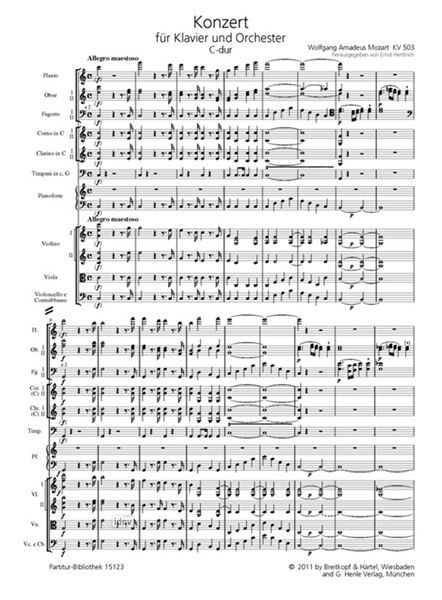
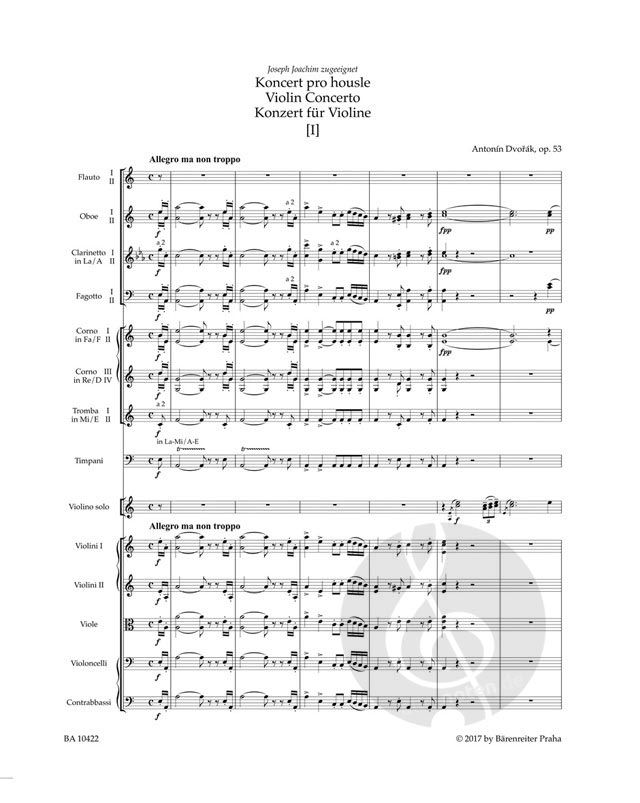
- Violin and Orchestra
- Score (Urtext)
-
in stock
ships within 1-2 working days
- Flute, Harp and Orchestra
- Instrumental Part: Violin 2 (Urtext)
-
ships within 2-5 working days
- Flute, Harp and Orchestra
- Instrumental Part: Violin 1 (Urtext)
-
ships within 2-5 working days
- Flute, Harp and Orchestra
- Instrumental Parts: Cello and Double Bass (Urtext)
-
ships within 2-5 working days
- Flute, Harp and Orchestra
- Instrumental Part: Viola (Urtext)
-
ships within 2-5 working days
- Flute, Harp and Orchestra
- Harmony Parts (Urtext)
-
ships within 2-5 working days
Wolfgang Amadeus Mozart, Nino Rota
of the concerto for flute, harp and orchestra KV 299
- Flute and Harp
- Sheet Music
-
in stock
ships within 1-2 working days - Also available for download!