
Marianna Martines
Sonata da Cimbalo G-Dur
für Cembalo/Klavier
NEW
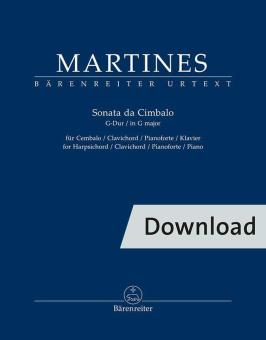
Marianna Martines
Sonata da Cimbalo G-Dur
für Cembalo/Klavier
- Instrumentation Harpsichord
- Optional Instrumentation Piano
- Composer Marianna Martines
- Series Bärenreiter Urtext
- Editor Judith Valerie Engel
- Edition Sheet Music Download (Urtext)
- Publisher Bärenreiter Verlag
- Order no. BA10888-DL
 immediately available
Download immediately after ordering
incl. tax,
excl. shipping costs
Not available in all countries. Learn more

Description:
The composer, piano virtuoso and singer Marianna Martines (1744-1812), daughter of the master of ceremonies of the apostolic nuncio in Vienna, Nicolò Martines, was significantly supported by Pietro Metastasio. Through him, she received lessons from Nicola Porpora, Joseph Haydn, Johann Adolf Hasse and Giuseppe Bonno. Charles Burney held her in high esteem, and W. A. Mozart, Salieri and Haydn took part in her "musical evening entertainments" in Vienna, which were influential in the 1780s and 1790s. In 1773, Martines was the first composer to be accepted into the Accademia filarmonica in Bologna.
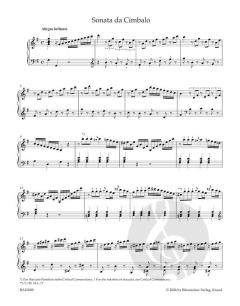
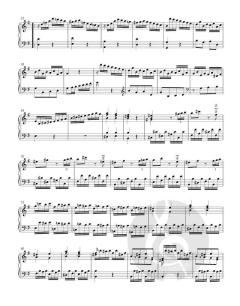
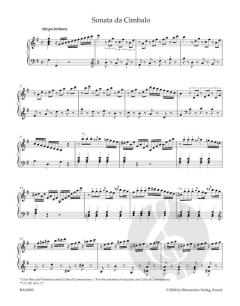
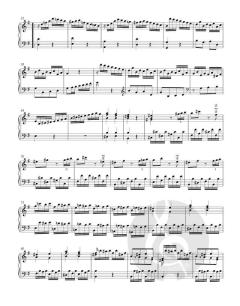
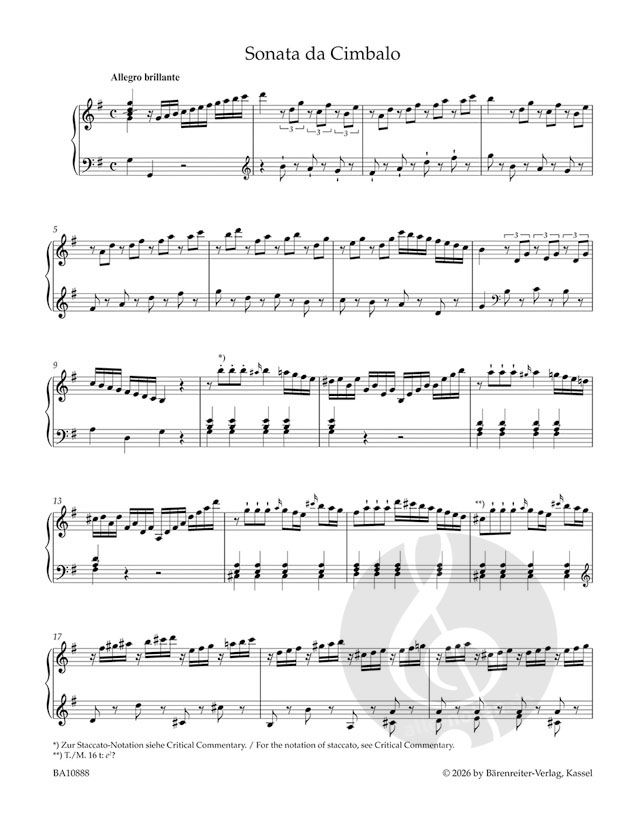
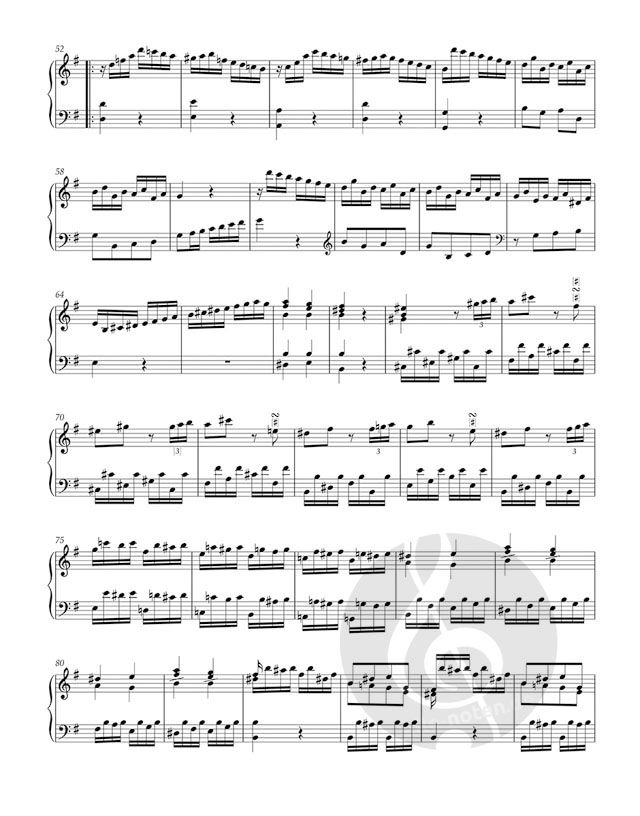
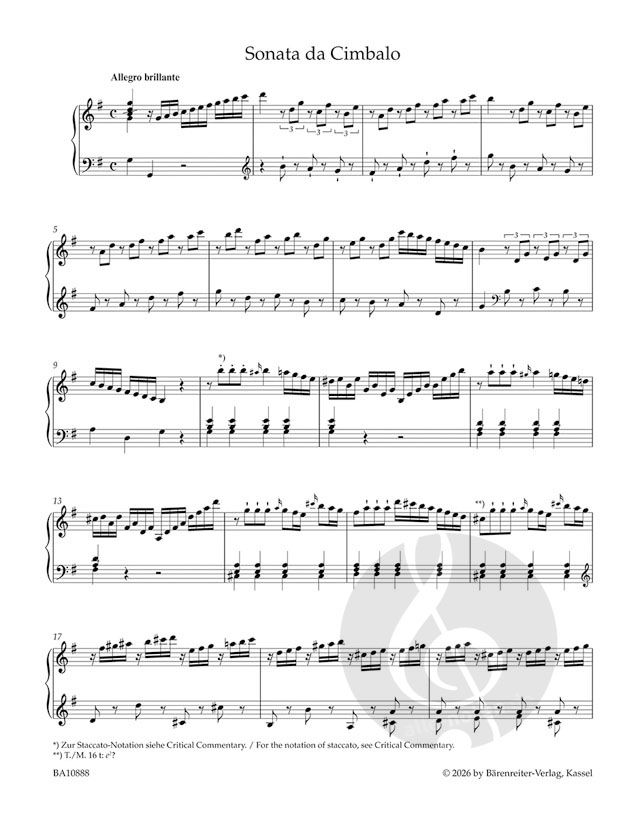
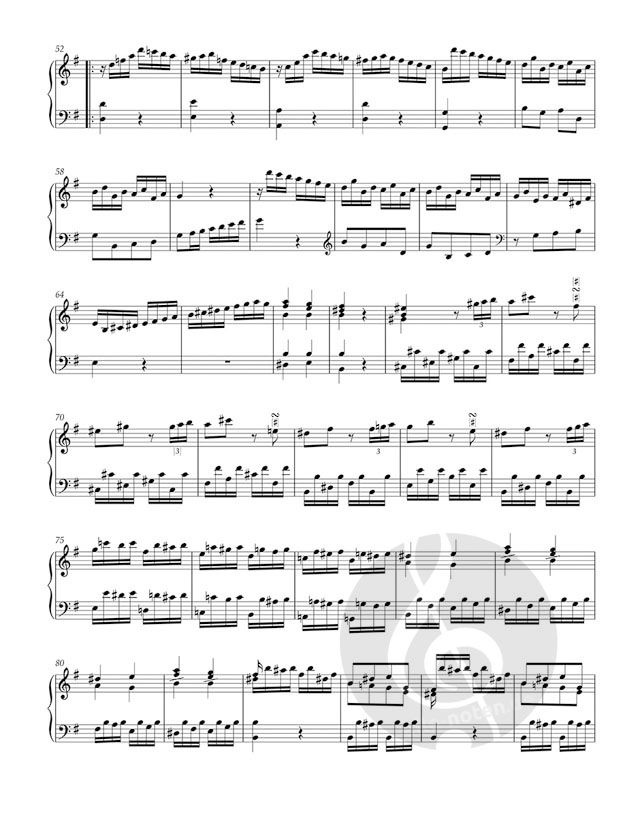
This new edition contains the most important of her three harpsichord sonatas in the Urtext for the first time. It dates from 1769 and remained unpublished during her lifetime. Stylistically, this imaginative work can be placed alongside Haydn's early and middle sonatas. As an effective repertoire piece, the "Sonata da Cimbalo" can enrich concert programs and is also ideal for advanced harpsichord or piano lessons.
Notes on historical performance practice and a reader-friendly engraving with practical turning points invite you to rediscover the sonata.
This new edition contains the most important of her three harpsichord sonatas in the Urtext for the first time. It dates from 1769 and remained unpublished during her lifetime. Stylistically, this imaginative work can be placed alongside Haydn's early and middle sonatas. As an effective repertoire piece, the "Sonata da Cimbalo" can enrich concert programs and is also ideal for advanced harpsichord or piano lessons.
Notes on historical performance practice and a reader-friendly engraving with practical turning points invite you to rediscover the sonata.