
Camille Saint-Saëns
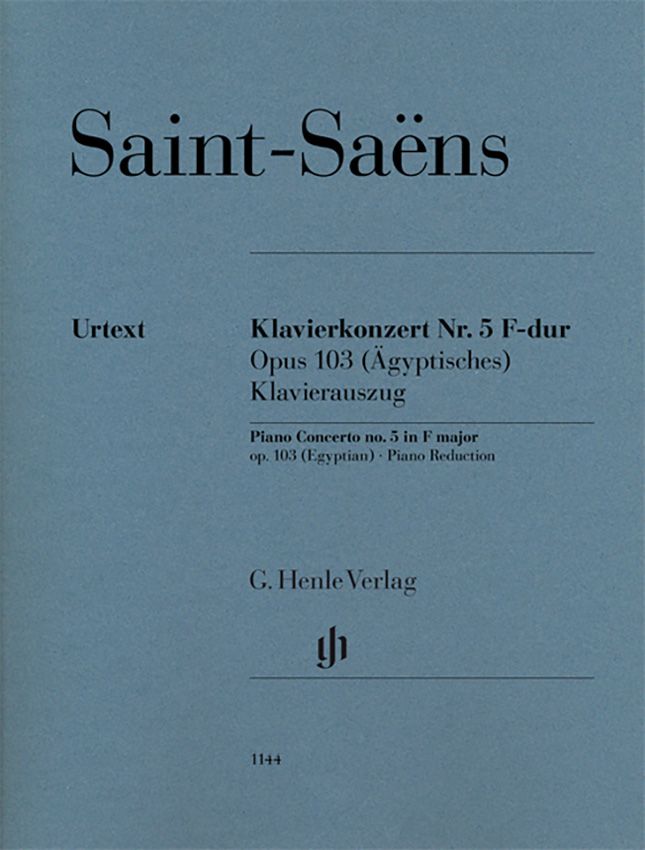
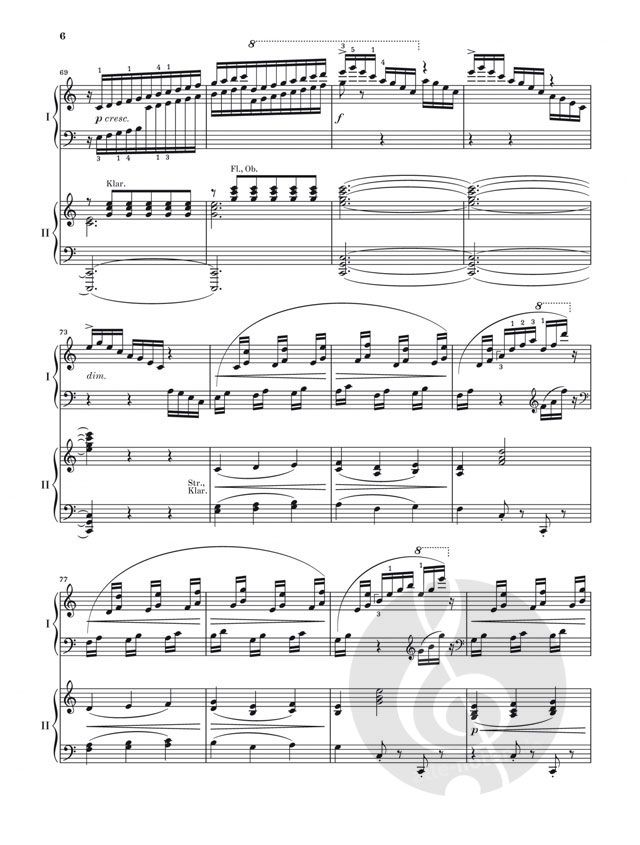
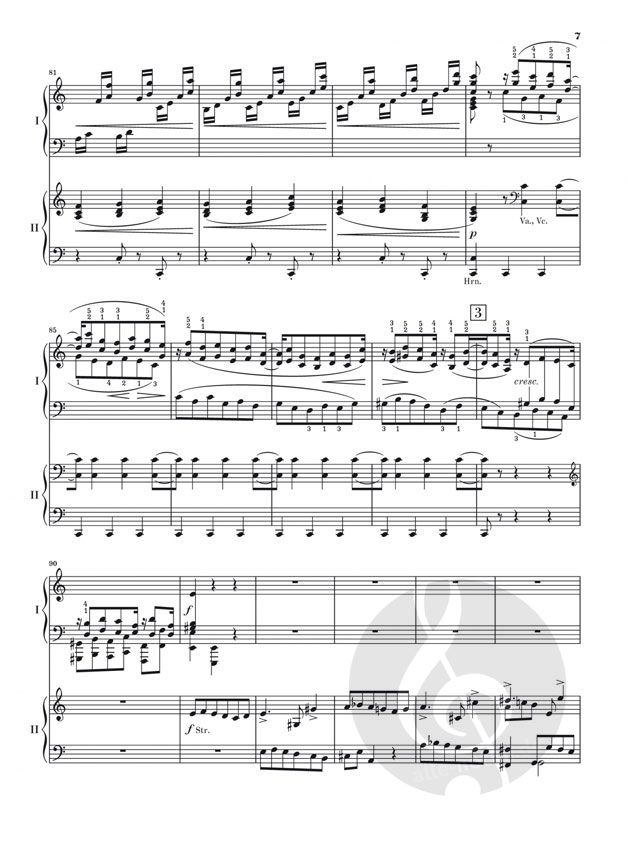
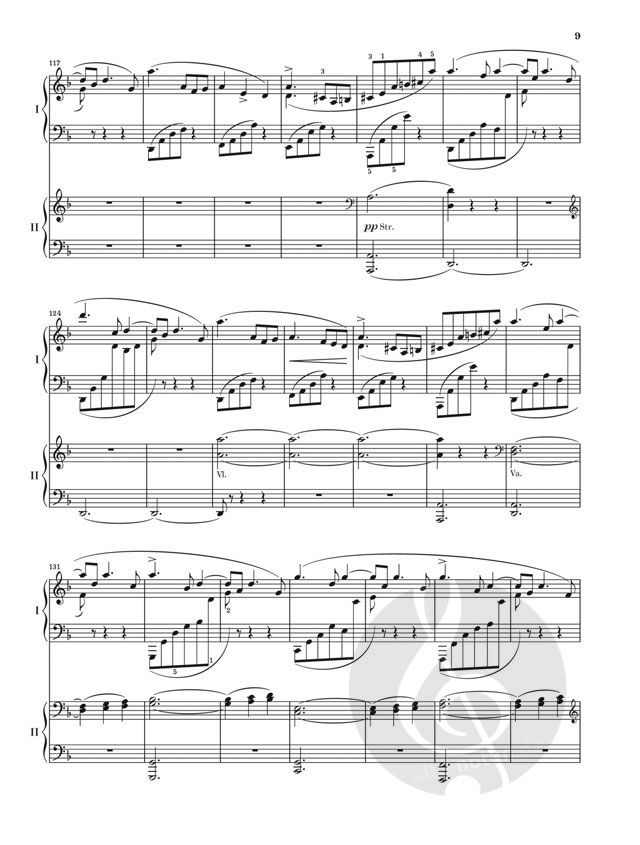
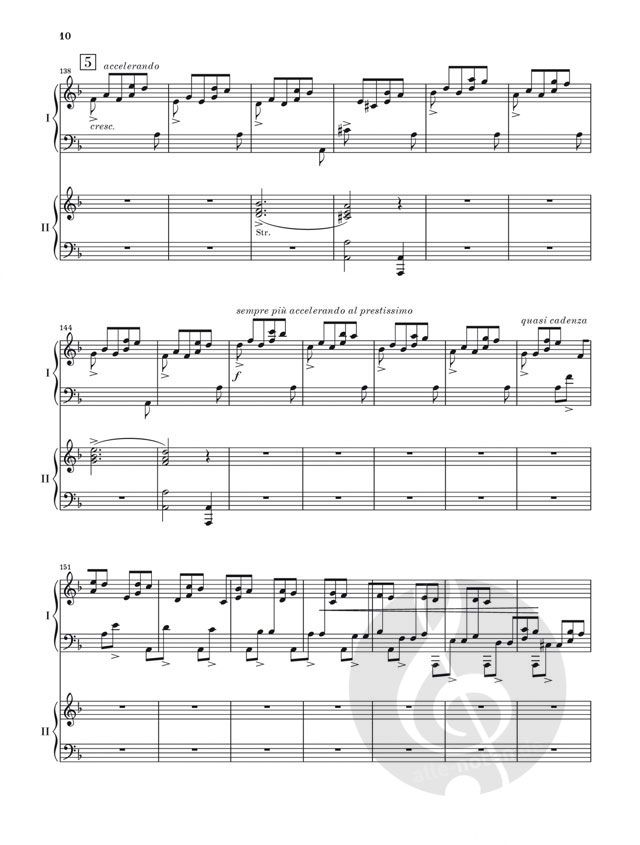
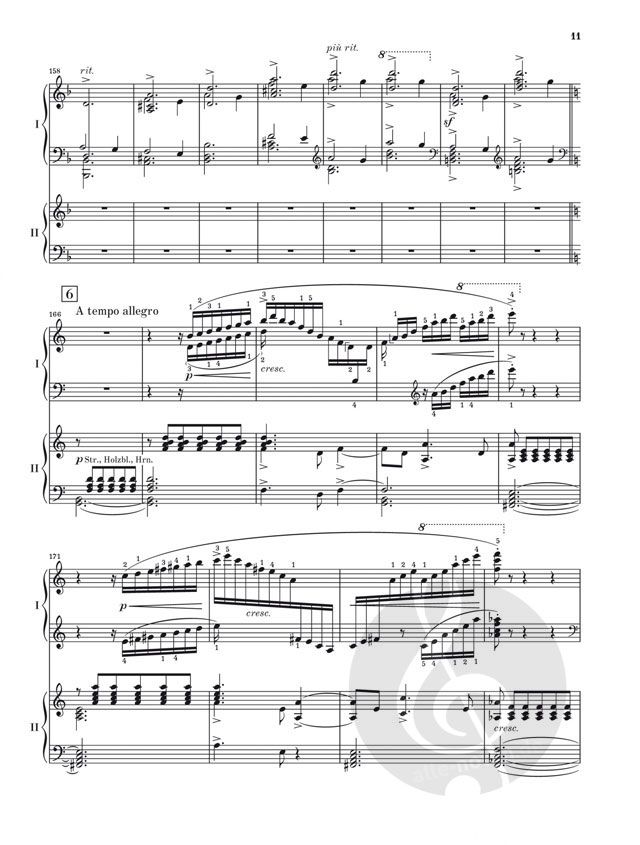
Piano Concerto no. 5 F major op. 103
Egyptian


Camille Saint-Saëns
Piano Concerto no. 5 F major op. 103
Egyptian
- Instrumentation 2 Pianos 4 Hands
- Composer Camille Saint-Saëns
- Editor Pascal Rogé
- Editor Peter Jost
-
Difficulty Level
- Edition Piano Reduction (Urtext)
- Publisher G. Henle Verlag
- Order no. HN1144
 in stock
ships within 1-2 working days
incl. tax,
excl. shipping costs
Not available in all countries. Learn more

Description:
Two copies needed for performance
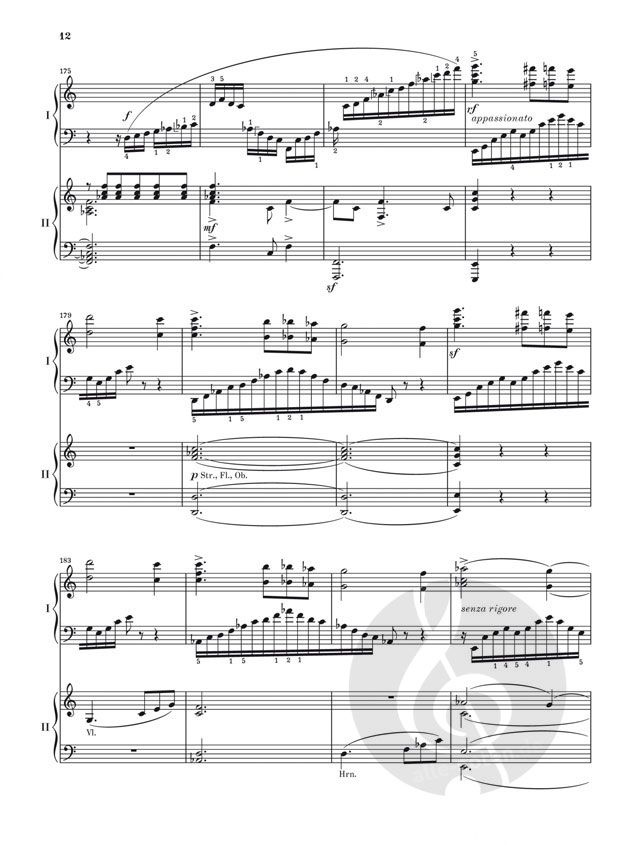
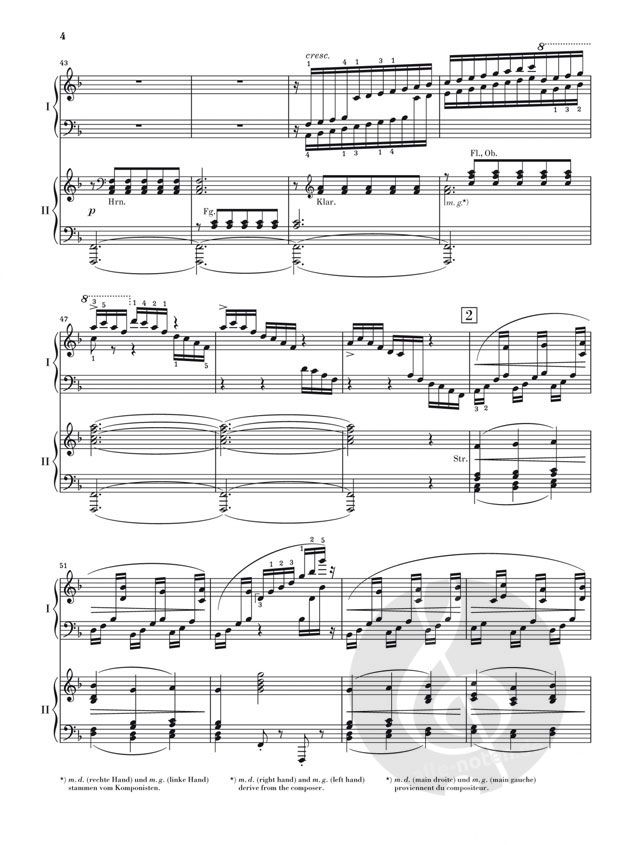
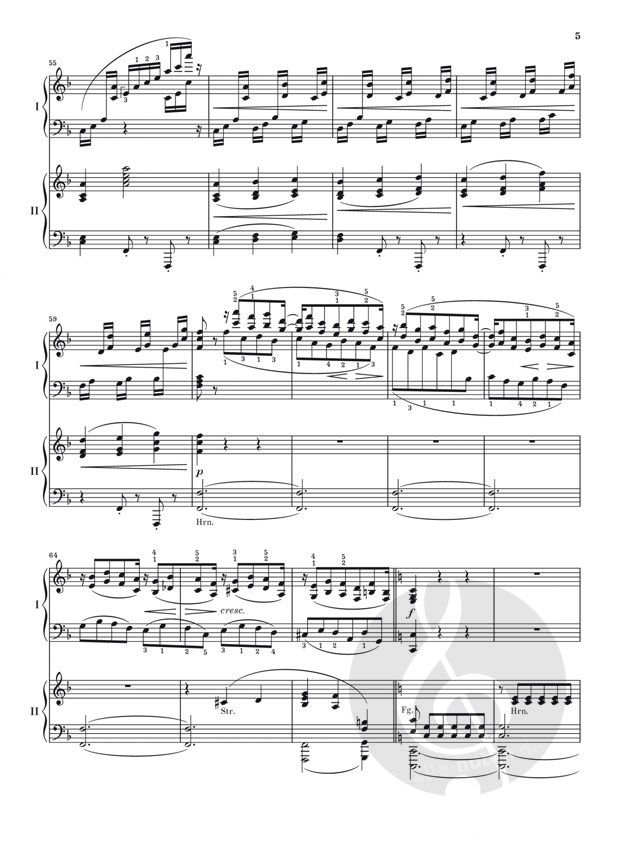
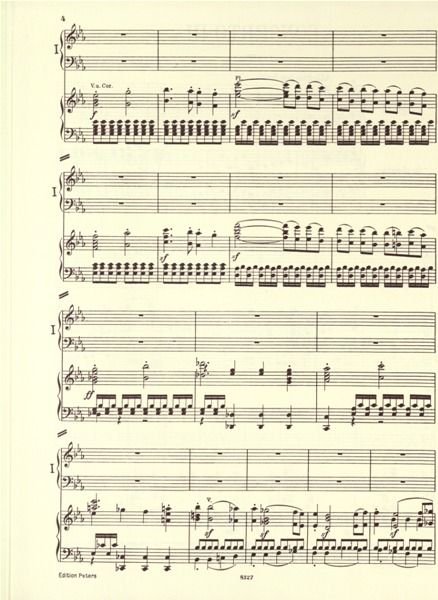
This was the last concerto that Saint-Saëns wrote for his own instrument, the piano. Its subtitle has a dual meaning. Firstly, it was composed quickly in Luxor and Cairo in early 1896; and secondly, the composer incorporated elements of Egyptian and oriental music within it. He even wrote later that 'The second movement is a kind of journey to the Orient, which in the episode in F-sharp even reaches the Far East. The passage in G is a Nubian love song that I heard sung by boatmen on the Nile'.
(Französisches Original:
«La seconde partie est une façon de voyage en Orient qui va même, dans l'épisode en fa dièse, jusqu'en Extrême-Orient. Le passage en sol est un chant d'amour nubien que j'ai entendu chanter par les bateliers sur le Nil.»)
This was the last concerto that Saint-Saëns wrote for his own instrument, the piano. Its subtitle has a dual meaning. Firstly, it was composed quickly in Luxor and Cairo in early 1896; and secondly, the composer incorporated elements of Egyptian and oriental music within it. He even wrote later that 'The second movement is a kind of journey to the Orient, which in the episode in F-sharp even reaches the Far East. The passage in G is a Nubian love song that I heard sung by boatmen on the Nile'.
(Französisches Original:
«La seconde partie est une façon de voyage en Orient qui va même, dans l'épisode en fa dièse, jusqu'en Extrême-Orient. Le passage en sol est un chant d'amour nubien que j'ai entendu chanter par les bateliers sur le Nil.»)
Customers rated this product:
Manufacturer Information:
G. Henle Verlag e.K.
Forstenrieder Allee 122
81476
München
Deutschland
Other customers also bought:
- 2 Pianos
- Piano Reduction (Urtext)
- Johannes Umbreit
-
in stock
ships within 1-2 working days

Sergei Rachmaninow
The Piano Works Of Rachmaninoff Vol. 5V (2 Copies Required)
- 2 Pianos 4 Hands
- Sheet Music and CD
-
ships within 2-4 weeks
- Piano
- Sheet Music (Urtext)
-
in stock
ships within 1-2 working days
- 2 Violins, Viola, Cello and Piano
- Sheet Music
-
in stock
ships within 1-2 working days
Antonín Dvořák
- 2 Violins, Viola, Cello and Piano
- Score and Parts
-
in stock
ships within 1-2 working days
Franz Liszt
- Piano
- Sheet Music (Urtext)
-
in stock
ships within 1-2 working days
- 2 Violins, Viola, Cello and Piano
- Piano Score and Part(s)
-
in stock
ships within 1-2 working days
Franz Liszt
- 2 Pianos 4 Hands
- Piano Reduction
-
in stock
ships within 1-2 working days
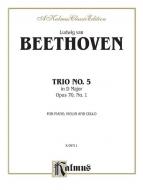
Ludwig van Beethoven
- 2 String Instruments and Piano
- Sheet Music
-
ships within 3-6 working days
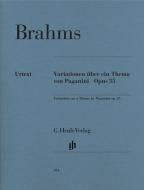
- Piano
- Sheet Music (Urtext)
-
in stock
ships within 1-2 working days

Franz Liszt
- Piano
- Sheet Music
-
ships within 3-6 working days

Franz Liszt
- Piano
- Sheet Music
-
ships within 3-6 working days
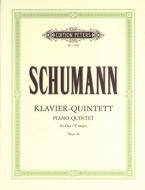
- 2 Violins, Viola, Cello and Piano
- Piano Score and Part(s)
-
in stock
ships within 1-2 working days

- Piano
- Sheet Music
-
in stock
ships within 1-2 working days
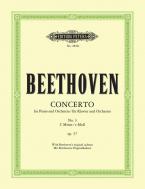



- 2 Pianos 4 Hands
- Piano reduction with part(s)
-
in stock
ships within 1-2 working days