
Kalmus Orchestra Library
Johannes Brahms (1833-1897) composed his Piano Concerto No. 2 between 1878-1881 and performed the work's debut at the piano with the Budapest Philharmonic, on November 9th, 1881, Alexander Erkel, cond...
Johannes Brahms (1833-1897) composed his Piano Concerto No. 2 between 1878-1881 and performed the work's debut at the piano with the Budapest Philharmonic, on November 9th, 1881, Alexander Erkel, cond...
- Piano and Orchestra
- Score and Parts
- Edwin F. Kalmus
-
 ships within 2-4 weeks
ships within 2-4 weeks
Johannes Brahms (1833-1897) wrote his Violin Concerto in D major, Op. 77, in 1878. He composed the work for his longtime friend, famed violinist Joseph Joachim, who premiered it in Leipzig with the Ge...
Johannes Brahms (1833-1897) wrote his Violin Concerto in D major, Op. 77, in 1878. He composed the work for his longtime friend, famed violinist Joseph Joachim, who premiered it in Leipzig with the Ge...
- Violin and Orchestra
- Score
- Edwin F. Kalmus
-
ships within 2-4 weeks
ships within 2-4 weeks
Johannes Brahms (1833-1897) wrote his Violin Concerto in D major, Op. 77, in 1878. He composed the work for his longtime friend, famed violinist Joseph Joachim, who premiered it in Leipzig with the Ge...
Johannes Brahms (1833-1897) wrote his Violin Concerto in D major, Op. 77, in 1878. He composed the work for his longtime friend, famed violinist Joseph Joachim, who premiered it in Leipzig with the Ge...
- Violin and Orchestra
- Score and Parts
- Edwin F. Kalmus
-
ships within 2-4 weeks
ships within 2-4 weeks
Johannes Brahms (1833-1897) composed the Double Concerto in A minor for Violin and Cello, Op. 102 in 1887, marking his final work for orchestra. Written for cellist Robert Hausmann and estranged frien...
Johannes Brahms (1833-1897) composed the Double Concerto in A minor for Violin and Cello, Op. 102 in 1887, marking his final work for orchestra. Written for cellist Robert Hausmann and estranged frien...
- Violin, Cello and Orchestra
- Score
- Edwin F. Kalmus
-
ships within 2-4 weeks
ships within 2-4 weeks
Johannes Brahms (1833-1897) composed the Double Concerto in A minor for Violin and Cello, Op. 102 in 1887, marking his final work for orchestra. Written for cellist Robert Hausmann and estranged frien...
Johannes Brahms (1833-1897) composed the Double Concerto in A minor for Violin and Cello, Op. 102 in 1887, marking his final work for orchestra. Written for cellist Robert Hausmann and estranged frien...
- Violin, Cello and Orchestra
- Score and Parts
- Edwin F. Kalmus
-
ships within 2-4 weeks
ships within 2-4 weeks
Originally written for piano four hands in 1879, this set of 21 lively dance tunes, mostly on Hungarian themes, are among Johannes Brahms' most popular works today, and they were the most profitable f...
Originally written for piano four hands in 1879, this set of 21 lively dance tunes, mostly on Hungarian themes, are among Johannes Brahms' most popular works today, and they were the most profitable f...
- Orchestra
- Score
- Edwin F. Kalmus
-
ships within 2-4 weeks
ships within 2-4 weeks
Originally written for piano four hands in 1879, this set of 21 lively dance tunes, mostly on Hungarian themes, are among Johannes Brahms' most popular works today, and they were the most profitable f...
Originally written for piano four hands in 1879, this set of 21 lively dance tunes, mostly on Hungarian themes, are among Johannes Brahms' most popular works today, and they were the most profitable f...
- Orchestra
- Score and Parts
- Edwin F. Kalmus
-
ships within 2-4 weeks
ships within 2-4 weeks
Originally written for piano four hands in 1879, this set of 21 lively dance tunes, mostly on Hungarian themes, are among Johannes Brahms' most popular works today, and they were the most profitable f...
Originally written for piano four hands in 1879, this set of 21 lively dance tunes, mostly on Hungarian themes, are among Johannes Brahms' most popular works today, and they were the most profitable f...
- Orchestra
- Score
- Albert Parlow
- Edwin F. Kalmus
-
ships within 2-4 weeks
ships within 2-4 weeks
Originally written for piano four hands in 1879, this set of 21 lively dance tunes, mostly on Hungarian themes, are among Johannes Brahms' most popular works today, and they were the most profitable f...
Originally written for piano four hands in 1879, this set of 21 lively dance tunes, mostly on Hungarian themes, are among Johannes Brahms' most popular works today, and they were the most profitable f...
- Orchestra
- Score and Parts
- Albert Parlow
- Edwin F. Kalmus
-
ships within 2-4 weeks
ships within 2-4 weeks
Originally written for piano four hands in 1879, this set of 21 lively dance tunes, mostly on Hungarian themes, are among Johannes Brahms' (1833-1897) most popular works today, and they were the most...
Originally written for piano four hands in 1879, this set of 21 lively dance tunes, mostly on Hungarian themes, are among Johannes Brahms' (1833-1897) most popular works today, and they were the most...
- Orchestra
- Score
- Antonín Dvořák
- Edwin F. Kalmus
-
ships within 2-4 weeks
ships within 2-4 weeks
Originally written for piano four hands in 1879, this set of 21 lively dance tunes, mostly on Hungarian themes, are among Johannes Brahms' (1833-1897) most popular works today, and they were the most...
Originally written for piano four hands in 1879, this set of 21 lively dance tunes, mostly on Hungarian themes, are among Johannes Brahms' (1833-1897) most popular works today, and they were the most...
- Orchestra
- Score and Parts
- Antonín Dvořák
- Edwin F. Kalmus
-
ships within 2-4 weeks
ships within 2-4 weeks
Max Bruch (1838-1920) composed his VIOLIN CONCERTO No. 1 in G minor, Op. 26 in 1866, premiering on April 24, 1866, by Otto von Königslow on violin, with Max Bruch conducting. Following, the violin vir...
Max Bruch (1838-1920) composed his VIOLIN CONCERTO No. 1 in G minor, Op. 26 in 1866, premiering on April 24, 1866, by Otto von Königslow on violin, with Max Bruch conducting. Following, the violin vir...
- Violin and Orchestra
- Score
- Edwin F. Kalmus
-
ships within 2-4 weeks
ships within 2-4 weeks
Max Bruch (1838-1920) composed his VIOLIN CONCERTO No. 1 in G minor, Op. 26 in 1866, premiering on April 24, 1866, by Otto von Königslow on violin, with Max Bruch conducting. Following, the violin vir...
Max Bruch (1838-1920) composed his VIOLIN CONCERTO No. 1 in G minor, Op. 26 in 1866, premiering on April 24, 1866, by Otto von Königslow on violin, with Max Bruch conducting. Following, the violin vir...
- Violin and Orchestra
- Score and Parts
- Edwin F. Kalmus
-
ships within 2-4 weeks
ships within 2-4 weeks
Written in 1880 and premiered on February 22, 1881, by the Liverpool Philharmonic Society under the direction of the composer, with Joseph Joachim performing the solo violin, the SCHOTTISCHE FANTASIE...
Written in 1880 and premiered on February 22, 1881, by the Liverpool Philharmonic Society under the direction of the composer, with Joseph Joachim performing the solo violin, the SCHOTTISCHE FANTASIE...
- Violin and Orchestra
- Score
- Edwin F. Kalmus
-
ships within 2-4 weeks
ships within 2-4 weeks
Written in 1880 and premiered on February 22, 1881, by the Liverpool Philharmonic Society under the direction of the composer, with Joseph Joachim performing the solo violin, the SCHOTTISCHE FANTASIE...
Written in 1880 and premiered on February 22, 1881, by the Liverpool Philharmonic Society under the direction of the composer, with Joseph Joachim performing the solo violin, the SCHOTTISCHE FANTASIE...
- Violin and Orchestra
- Score and Parts
- Edwin F. Kalmus
-
ships within 2-4 weeks
ships within 2-4 weeks
Performed only three times during Anton Bruckner's (1824-1896) lifetime, the immense Symphony No. 8, considered the composer's most awesome and sweeping symphony, took over five years to write and rev...
Performed only three times during Anton Bruckner's (1824-1896) lifetime, the immense Symphony No. 8, considered the composer's most awesome and sweeping symphony, took over five years to write and rev...
- Orchestra
- Score
- Robert Haas
- Edwin F. Kalmus
-
ships within 2-4 weeks
ships within 2-4 weeks
Performed only three times during Anton Bruckner's (1824-1896) lifetime, the immense Symphony No. 8, considered the composer's most awesome and sweeping symphony, took over five years to write and rev...
Performed only three times during Anton Bruckner's (1824-1896) lifetime, the immense Symphony No. 8, considered the composer's most awesome and sweeping symphony, took over five years to write and rev...
- Orchestra
- Score and Parts
- Robert Haas
- Edwin F. Kalmus
-
ships within 2-4 weeks
ships within 2-4 weeks
LE ROI MALGRÉ LUI (THE RELUCTANT KING) is a comic opera by Emmanuel Chabrier (1841-1894), based on a 1836 vaudeville play by Virginie Ancelot. The stage work depicts the brief reign of Henri, Duke of...
LE ROI MALGRÉ LUI (THE RELUCTANT KING) is a comic opera by Emmanuel Chabrier (1841-1894), based on a 1836 vaudeville play by Virginie Ancelot. The stage work depicts the brief reign of Henri, Duke of...
- Orchestra
- Director's Score
- Edwin F. Kalmus
-
ships within 2-4 weeks
ships within 2-4 weeks
LE ROI MALGRÉ LUI (THE RELUCTANT KING) is a comic opera by Emmanuel Chabrier (1841-1894), based on a 1836 vaudeville play by Virginie Ancelot. The stage work depicts the brief reign of Henri, Duke of...
LE ROI MALGRÉ LUI (THE RELUCTANT KING) is a comic opera by Emmanuel Chabrier (1841-1894), based on a 1836 vaudeville play by Virginie Ancelot. The stage work depicts the brief reign of Henri, Duke of...
- Orchestra
- Score and Parts
- Edwin F. Kalmus
-
ships within 2-4 weeks
ships within 2-4 weeks
After España, the short work Joyeuse Marche is French composer Emmanuel Chabrier's (1841-1894) second most popular composition. The joyous and at times comical piece was originally written for piano,...
After España, the short work Joyeuse Marche is French composer Emmanuel Chabrier's (1841-1894) second most popular composition. The joyous and at times comical piece was originally written for piano,...
- Orchestra
- Score
- Edwin F. Kalmus
-
ships within 2-4 weeks
ships within 2-4 weeks
After España, the short work Joyeuse Marche is French composer Emmanuel Chabrier's (1841-1894) second most popular composition. The joyous and at times comical piece was originally written for piano,...
After España, the short work Joyeuse Marche is French composer Emmanuel Chabrier's (1841-1894) second most popular composition. The joyous and at times comical piece was originally written for piano,...
- Orchestra
- Score and Parts
- Edwin F. Kalmus
-
ships within 2-4 weeks
ships within 2-4 weeks
Habanera, composed for piano in October 1885, explores a folk tune that Emmanuel Chabrier (1841-1894) collected on his five-month trip to Spain. The habanera derives its name from Havana, Cuba, charac...
Habanera, composed for piano in October 1885, explores a folk tune that Emmanuel Chabrier (1841-1894) collected on his five-month trip to Spain. The habanera derives its name from Havana, Cuba, charac...
- Orchestra
- Score and Parts
- Edwin F. Kalmus
-
ships within 2-4 weeks
ships within 2-4 weeks
Frédéric Chopin (1810-1849) composed the Andante Spianto and Grande Polonaise Brillante in E-flat Major, Op. 22, between 1830 and 1834. The polonaise, originally composed for solo piano and later scor...
Frédéric Chopin (1810-1849) composed the Andante Spianto and Grande Polonaise Brillante in E-flat Major, Op. 22, between 1830 and 1834. The polonaise, originally composed for solo piano and later scor...
- Piano and Orchestra
- Score
- Edwin F. Kalmus
-
ships within 2-4 weeks
ships within 2-4 weeks
Frédéric Chopin (1810-1849) composed the Andante Spianto and Grande Polonaise Brillante in E-flat Major, Op. 22, between 1830 and 1834. The polonaise, originally composed for solo piano and later scor...
Frédéric Chopin (1810-1849) composed the Andante Spianto and Grande Polonaise Brillante in E-flat Major, Op. 22, between 1830 and 1834. The polonaise, originally composed for solo piano and later scor...
- Piano and Orchestra
- Score and Parts
- Edwin F. Kalmus
-
ships within 2-4 weeks
ships within 2-4 weeks
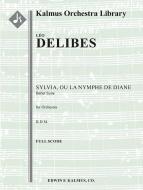
Léo Delibes (1836-1891) looked to a play of the Italian Renaissance, Torquato Tasso's AMINTA, for narrative material when composing his full-length ballet SYLVIA. Choreographed by Louis Mérante, with...
Léo Delibes (1836-1891) looked to a play of the Italian Renaissance, Torquato Tasso's AMINTA, for narrative material when composing his full-length ballet SYLVIA. Choreographed by Louis Mérante, with...
- Orchestra
- Score
- Edwin F. Kalmus
-
ships within 2-4 weeks
ships within 2-4 weeks