
Sergei Rachmaninow
Works for Violoncello and Piano
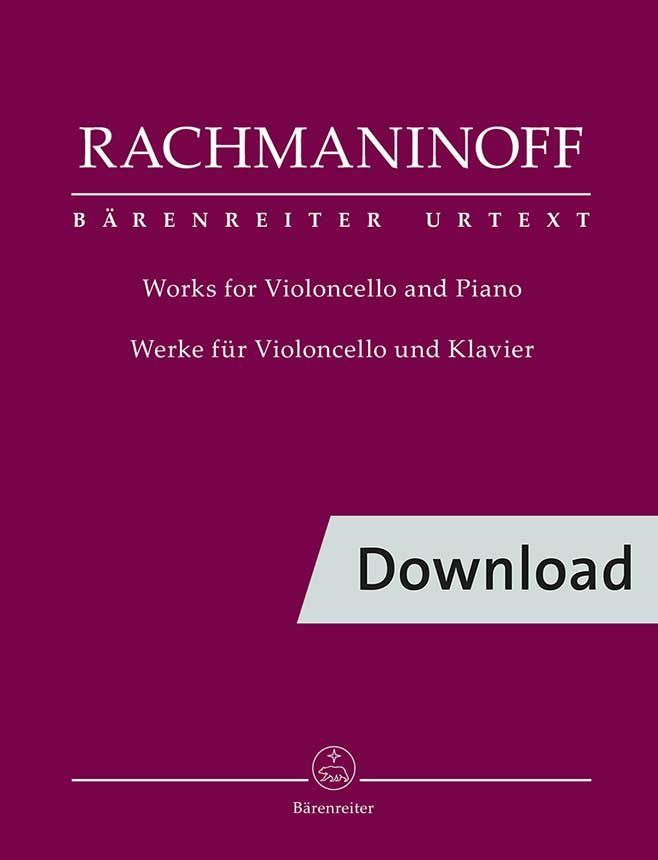
Sergei Rachmaninow
Works for Violoncello and Piano
- Instrumentation Cello and Piano
- Composer Sergei Rachmaninow
- Series Bärenreiter Urtext
- Editor Daniela Macchione
-
Difficulty Level
- Edition Piano Score and Part(s) Download (Urtext)
- Publisher Bärenreiter Verlag
- Order no. BA9994-DL
 immediately available
Download immediately after ordering
incl. tax,
excl. shipping costs
Not available in all countries. Learn more

Description:
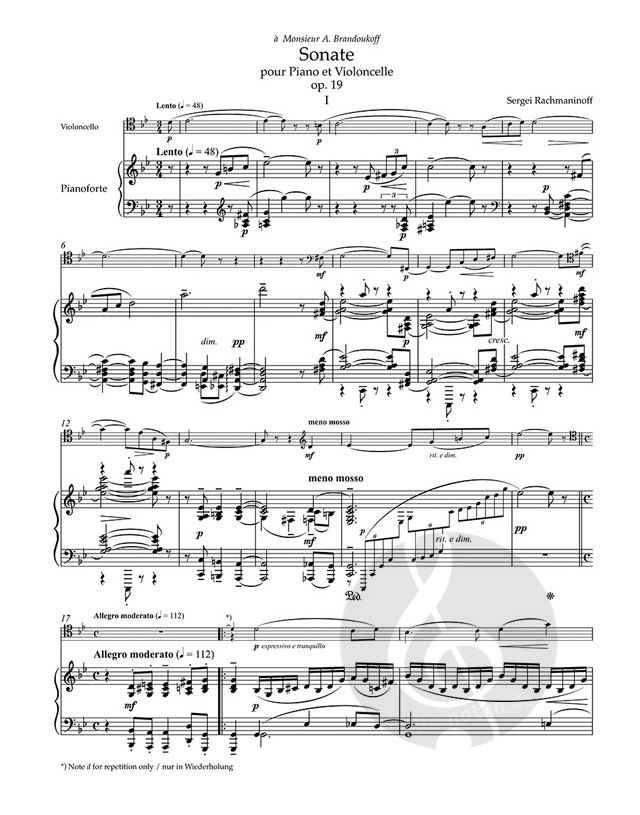
Sergei Rachmaninoff's chamber music for cello and piano comprises three works, all of which originate from his early creative period and whose creation is closely linked to people around him at the time.
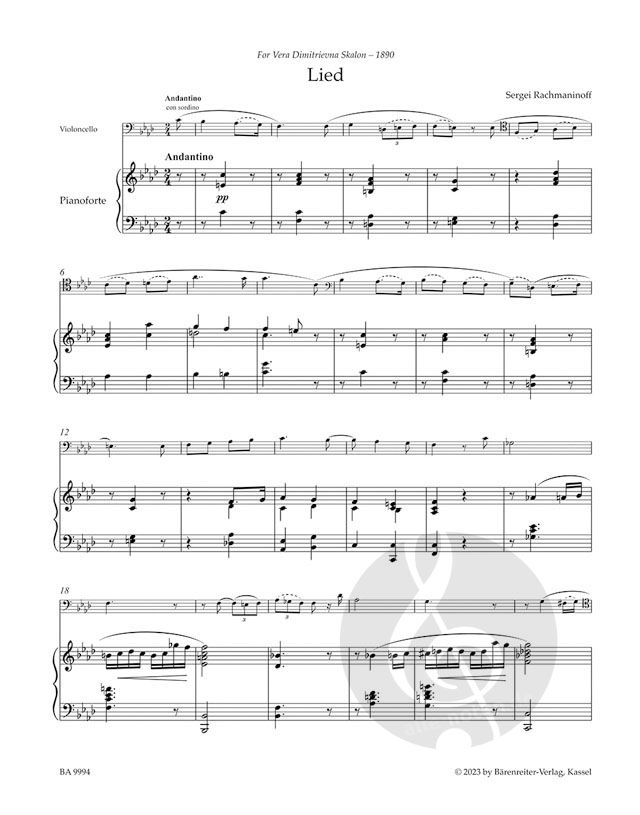
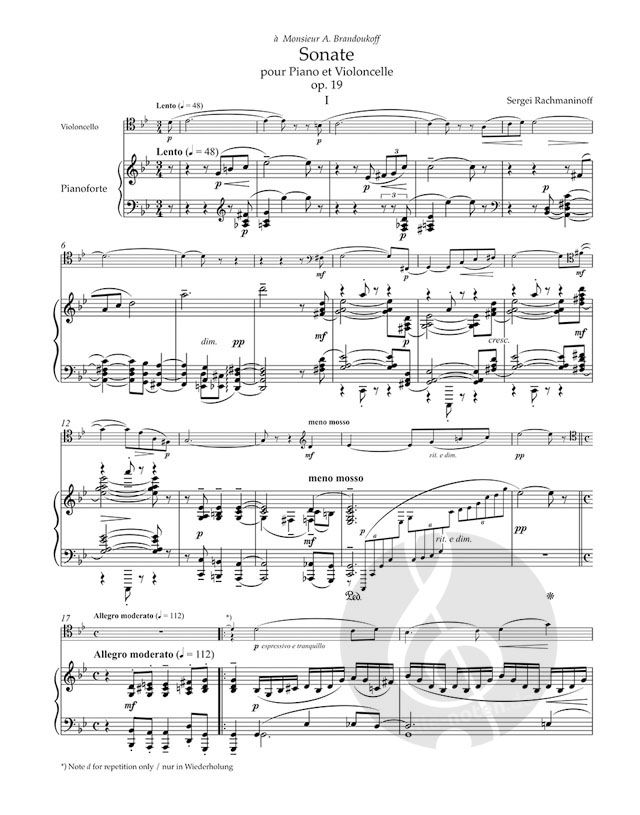
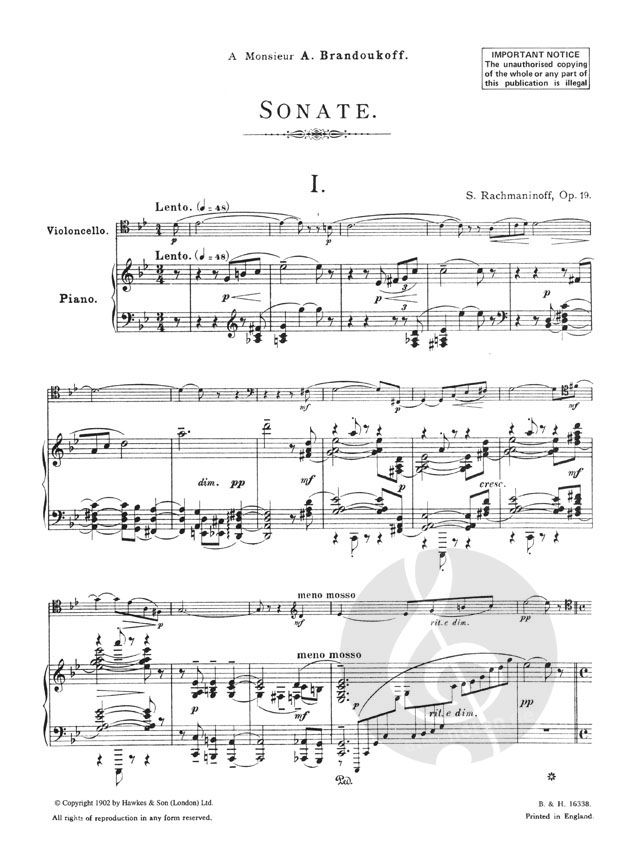
The seventeen-year-old Rachmaninoff wrote the "Lied", which was published posthumously for the first time, during a stay with the family of his future wife Natalia and dedicated it to her sister Vera. "Prélude et Danse orientale" op. 2 is dedicated to his good friend, the cellist Anatoli Brandoukoff, with whom he played the "Prélude" in the first public concert consisting entirely of his own works. Also dedicated to Brandoukoff is the Sonata op. 19, one of the first works written after the several years of depression from which Rachmaninoff suffered following the failure of his first symphony. In Opus 2 and the Sonata in particular, it is clear that Rachmaninoff saw the cello and piano as equal partners in dialogue in these works.
For this edition, the editor Daniela Macchione relies on the first editions published with Rachmaninoff's collaboration as well as the relevant autographs available in the National Museum of Music in Moscow and the Library of Congress in Washington DC.
The seventeen-year-old Rachmaninoff wrote the "Lied", which was published posthumously for the first time, during a stay with the family of his future wife Natalia and dedicated it to her sister Vera. "Prélude et Danse orientale" op. 2 is dedicated to his good friend, the cellist Anatoli Brandoukoff, with whom he played the "Prélude" in the first public concert consisting entirely of his own works. Also dedicated to Brandoukoff is the Sonata op. 19, one of the first works written after the several years of depression from which Rachmaninoff suffered following the failure of his first symphony. In Opus 2 and the Sonata in particular, it is clear that Rachmaninoff saw the cello and piano as equal partners in dialogue in these works.
For this edition, the editor Daniela Macchione relies on the first editions published with Rachmaninoff's collaboration as well as the relevant autographs available in the National Museum of Music in Moscow and the Library of Congress in Washington DC.
-
Introduction Macchione, Daniela
-
Einleitung Macchione, Daniela
-
Lied
-
Prélude et Danse orientale op. 2
-
Sonate pour Piano et Violoncelle op. 19
-
Critical Commentary
Here is how the download works:
1 Buy download sheet music
Purchase the download score from our online store
2 Order confirmation with download link
Immediately after completing your order, you will receive an order confirmation by email listing all items. You will find the download link next to each item. You can use this link to start the download right away. Please also check your spam folder if necessary.
Customers rated this product:
Manufacturer Information:
Bärenreiter-Verlag Karl Vötterle GmbH & Co. KG
Heinrich-Schütz-Allee 35-37
34131
Kassel
Deutschland
Related products:
- Cello and Piano
- Piano Score and Part(s) (Urtext)
- Bärenreiter Verlag
-
-
in stock
ships within 1-2 working days - Also available for download!
Other customers also bought:
- Cello and Piano
- Piano Score and Part(s) (Urtext)
- Andrei Korobeinikov Johannes Moser
-
in stock
ships within 1-2 working days
- Cello and Piano
- Sheet Music
-
in stock
ships within 1-2 working days - Also available for download!
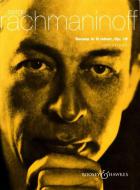
Sergei Rachmaninow
- Cello and Piano
- Sheet Music
-
in stock
ships within 1-2 working days
György Kurtág
- Piano
- Sheet Music
-
in stock
ships within 1-2 working days
- Piano
- Sheet Music
-
in stock
ships within 1-2 working days
- Viola
- Sheet Music
-
in stock
ships within 1-2 working days
Alfred Schnittke
- String Quartet (2 Violins, Viola and Cello)
- Sheet Music
-
in stock
ships within 1-2 working days
Sergei Rachmaninow
- Violin and Piano
- Piano Score and Part(s) (Urtext)
-
ships within 2-4 working days
- Also available for download!
Alfred Schnittke
- String Quartet (2 Violins, Viola and Cello)
- Study Score
-
ships within 2-4 weeks
- Cello and Piano
- Score and Parts (Urtext)
-
in stock
ships within 1-2 working days - Also available for download!





- Cello and Piano
- Piano Score and Part(s) (Urtext)
- Klaus Schilde Claus Kanngießer
-
in stock
ships within 1-2 working days