
Johann Sebastian Bach
Most merciful Lord that eternally loves us BWV 185
Cantata for the 4th Sunday after Trinity (Weimar version)
PDF
view
Johann Sebastian Bach
Most merciful Lord that eternally loves us BWV 185
Cantata for the 4th Sunday after Trinity (Weimar version)
- Instrumentation Soloists, Mixed Choir (SATB) and Chamber Orchestra
- Composer Johann Sebastian Bach
- Editor Reinhold Kubik
- Lyricist Salomon Franck
-
Difficulty Level
- Edition Piano Reduction Download
- Publisher Carus-Verlag
- Order no. CV31185-03-DL
 immediately available
Download immediately after ordering
incl. tax,
excl. shipping costs
Not available in all countries. Learn more

Description:
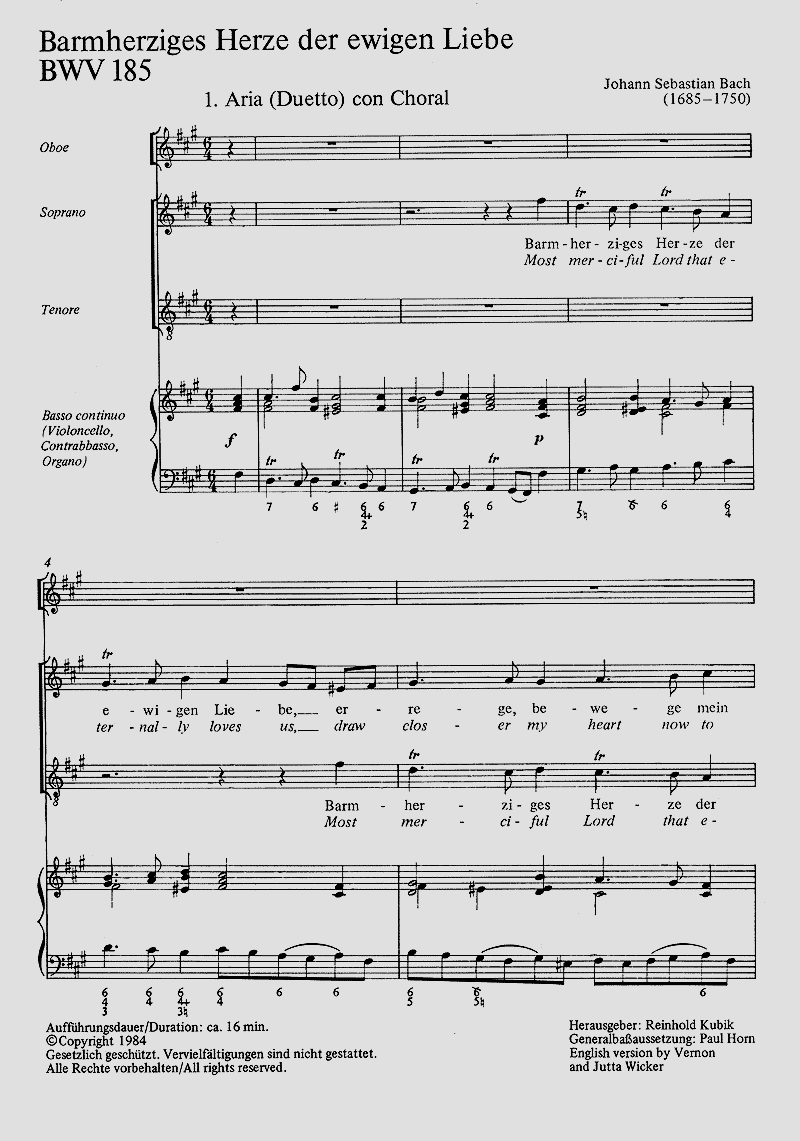
A (rare) autograph date (14.7.1715) confirms that the cantata Barmherziges Herze der ewigen Liebe was intended for the 4th Sunday after Trinitatis 1715. Like many Weimar cantatas, it is a decidedly chamber music piece. In the opening duet, the two voices and the bc are joined only by an oboe, which performs a chorale melody ("Ich ruf zu dir, Herr Jesu Christ"). The complete instrumentation is only used in the second aria and the final chorale, while the third aria is performed as a continuo aria. In the final chorale, an obbligato violin part extends the movement upwards to five voices. In Weimar, the oboes were tuned lower than the strings; if the cantata is to be performed on a uniform pitch, an oboe d'amore is necessary (the corresponding part is included with the material). Bach performed the cantata again in Leipzig in 1723, but transposed it from F sharp minor to G minor.
Here is how the download works:
1 Buy download sheet music
Purchase the download score from our online store
2 Order confirmation with download link
Immediately after completing your order, you will receive an order confirmation by email listing all items. You will find the download link next to each item. You can use this link to start the download right away. Please also check your spam folder if necessary.
Customers rated this product:
Manufacturer Information:
Carus-Verlag GmbH & Co. KG
Sielminger Str. 51
70771
Leinfelden-Echterdingen
Deutschland
Related products:

Johann Sebastian Bach
Kantate BWV 185 zum 4. Sonntag nach Trinitatis
- Soloists, Mixed Choir (SATB), Oboe, Strings and Organ
- Score Download
- Carus-Verlag
-
-
immediately available
Download immediately after ordering - Instant download
Johann Sebastian Bach
Kantate BWV 185 zum 4. Sonntag nach Trinitatis
- Soloists, Mixed Choir (SATB), Oboe, Strings and Organ
- Score
- Carus-Verlag
-
-
ships within 2-5 working days
- Also available for download!
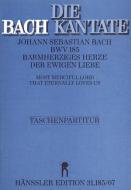
Johann Sebastian Bach
Kantate BWV 185 zum 4. Sonntag nach Trinitatis
- Soloists, Mixed Choir (SATB), Oboe, Strings and Organ
- Study Score
- Carus-Verlag
-
-
ships within 2-5 working days

Johann Sebastian Bach
Kantate BWV 185 zum 4. Sonntag nach Trinitatis
- Soloists, Mixed Choir (SATB), Oboe, Strings and Organ
- Set of Parts Download
- Paul Horn
- Carus-Verlag
-
-
immediately available
Download immediately after ordering - Instant download
Johann Sebastian Bach
Kantate BWV 185 zum 4. Sonntag nach Trinitatis
- Soloists, Mixed Choir (SATB), Oboe, Strings and Organ
- Set of Parts
- Paul Horn
- Carus-Verlag
-
-
ships within 2-5 working days
- Also available for download!
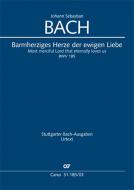
Johann Sebastian Bach
Kantate BWV 185 zum 4. Sonntag nach Trinitatis
- Soloists, Mixed Choir (SATB) and Chamber Orchestra
- Piano Reduction
- Carus-Verlag
-
-
in stock
ships within 1-2 working days - Also available for download!
Johann Sebastian Bach
Kantate BWV 185 zum 4. Sonntag nach Trinitatis
- Mixed Choir (SATB)
- Choral Score
- Carus-Verlag
-
-
ships within 2-5 working days
Johann Sebastian Bach
Kantate BWV 185 zum 4. Sonntag nach Trinitatis
- Soloists, Mixed Choir (SATB), Oboe, Strings and Organ
- Harmony Parts
- Carus-Verlag
-
-
ships within 2-5 working days
- Also available for download!
Johann Sebastian Bach
Kantate BWV 185 zum 4. Sonntag nach Trinitatis
- Soloists, Mixed Choir (SATB), Oboe, Strings and Organ
- Harmony Parts Download
- Carus-Verlag
-
-
immediately available
Download immediately after ordering - Instant download
Johann Sebastian Bach
Kantate zum 4. Sonntag nach Trinitatis (Weimarer Fassung)
- Soloists (SATB), Mixed Choir (SATB), Oboe, 2 Violins, Viola and Continuo
- Instrumental Part: Organ (Download)
- Paul Horn
- Carus-Verlag
-
-
immediately available
Download immediately after ordering - Instant download
Johann Sebastian Bach
Kantate zum 4. Sonntag nach Trinitatis (Weimarer Fassung)
- Soloists (SATB), Mixed Choir (SATB), Oboe, 2 Violins, Viola and Continuo
- Instrumental Part: Organ
- Paul Horn
- Carus-Verlag
-
-
ships within 2-5 working days
- Also available for download!
Johann Sebastian Bach
Kantate BWV 185 zum 4. Sonntag nach Trinitatis
- Soloists, Mixed Choir (SATB), Oboe, Strings and Organ
- Instrumental Part: Violin 1 (Download)
- Carus-Verlag
-
-
immediately available
Download immediately after ordering - Instant download
Johann Sebastian Bach
Kantate BWV 185 zum 4. Sonntag nach Trinitatis
- Soloists, Mixed Choir (SATB), Oboe, Strings and Organ
- Instrumental Part: Violin 1
- Carus-Verlag
-
-
ships within 2-5 working days
- Also available for download!
Johann Sebastian Bach
Kantate BWV 185 zum 4. Sonntag nach Trinitatis
- Soloists, Mixed Choir (SATB), Oboe, Strings and Organ
- Instrumental Part: Violin 2 (Download)
- Carus-Verlag
-
-
immediately available
Download immediately after ordering - Instant download
Johann Sebastian Bach
Kantate BWV 185 zum 4. Sonntag nach Trinitatis
- Soloists, Mixed Choir (SATB), Oboe, Strings and Organ
- Instrumental Part: Violin 2
- Carus-Verlag
-
-
ships within 2-5 working days
- Also available for download!
Johann Sebastian Bach
Kantate BWV 185 zum 4. Sonntag nach Trinitatis
- Soloists, Mixed Choir (SATB), Oboe, Strings and Organ
- Instrumental Part: Viola (Download)
- Carus-Verlag
-
-
immediately available
Download immediately after ordering - Instant download
Johann Sebastian Bach
Kantate BWV 185 zum 4. Sonntag nach Trinitatis
- Soloists, Mixed Choir (SATB), Oboe, Strings and Organ
- Instrumental Part: Viola
- Carus-Verlag
-
-
ships within 2-5 working days
- Also available for download!
Johann Sebastian Bach
Kantate BWV 185 zum 4. Sonntag nach Trinitatis
- Soloists, Mixed Choir (SATB), Oboe, Strings and Organ
- Instrumental Parts: Cello and Double Bass (Download)
- Carus-Verlag
-
-
immediately available
Download immediately after ordering - Instant download
Johann Sebastian Bach
Kantate BWV 185 zum 4. Sonntag nach Trinitatis
- Soloists, Mixed Choir (SATB), Oboe, Strings and Organ
- Instrumental Parts: Cello and Double Bass
- Carus-Verlag
-
-
ships within 2-5 working days
- Also available for download!
Other customers also bought:
Johann Sebastian Bach
Kantate BWV 64 zum 3. Weihnachtstag
- Soloists, Mixed Choir (SATB) and Piano
- Piano Reduction Download
-
ships within 2-5 working days
- Also available for download!
Johann Sebastian Bach
Kantate BWV 73 zum 3. Sonntag nach Epiphanias
- Soloists, Mixed Choir (SATB) and Chamber Orchestra
- Piano Reduction
-
ships within 2-5 working days
- Also available for download!
- Soloists, Mixed Choir (SATB) and Chamber Orchestra
- Piano Reduction
-
ships within 2-5 working days
Gottfried Heinrich Stölzel
- Soloist, Mixed Choir and Instrument
- Score
-
ships within 4-8 working days
- Soloists, Mixed Choir (SATB) and Chamber Orchestra
- Piano Reduction
-
ships within 2-5 working days
Johann Sebastian Bach
Kantate zum Sonntag Sexagesimae (Leipziger Fassung) BWV 18
- Soloists, Mixed Choir (SATB) and Chamber Orchestra
- Piano Reduction
- Paul Horn
-
in stock
ships within 1-2 working days - Also available for download!
- Soloists and Mixed Choir (SATB)
- Choral Score
- Paul Horn
-
in stock
ships within 1-2 working days - Also available for download!
Johann Sebastian Bach
Kantate BWV 8 (1. Fassung) zum 16. Sonntag nach Trinitatis
- Soloists, Mixed Choir (SATB), Flute, Oboe, Strings and Organ
- Study Score
-
ships within 2-5 working days
Johann Sebastian Bach
Kantate BWV 46 zum 10. Sonntag nach Trinitatis
- Soloists, Mixed Choir (SATB) and Chamber Orchestra
- Piano Reduction
-
in stock
ships within 1-2 working days - Also available for download!
- Soloists, 2 Mixed Choirs (SATB) and Piano
- Piano Reduction
-
in stock
ships within 1-2 working days
- Soloists, Mixed Choir (SATB) and Chamber Orchestra
- Piano Reduction
-
ships within 2-5 working days
- Also available for download!
- Soloists, Mixed Choir (SATB) and Chamber Orchestra
- Piano Reduction
-
in stock
ships within 1-2 working days
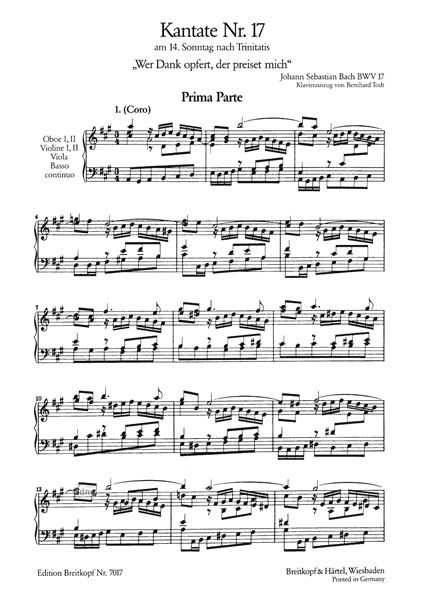

- Soloists, Mixed Choir (SATB) and Chamber Orchestra
- Piano Reduction
-
in stock
ships within 1-2 working days
- Soloists, Mixed Choir (SATB) and Chamber Orchestra
- Piano Reduction
-
in stock
ships within 1-2 working days - Also available for download!