
Jean-Philippe Rameau
Castor et Pollux RCT 32 B
Tragedy in 5 acts - Version of 1754
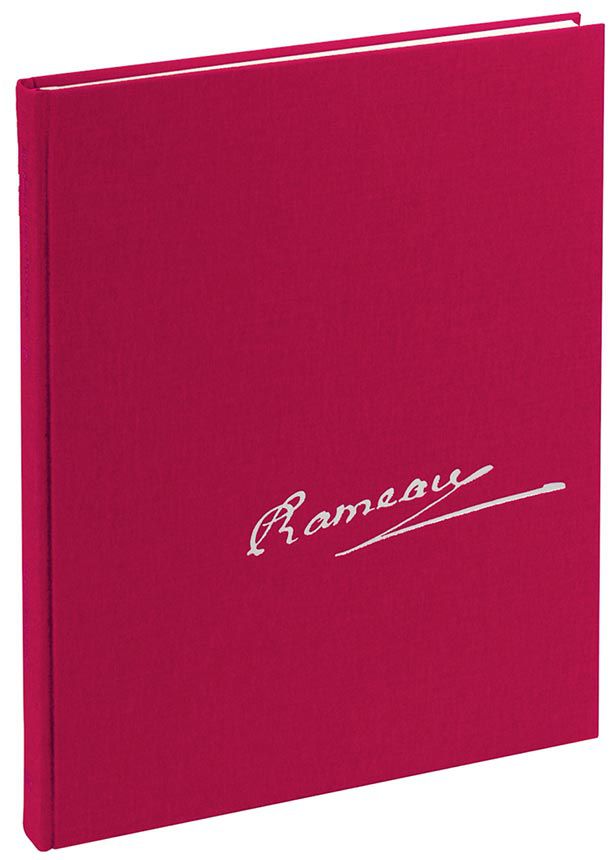
Jean-Philippe Rameau
Castor et Pollux RCT 32 B
Tragedy in 5 acts - Version of 1754
- Instrumentation Voice, mixed Choir and Orchestra
- Composer Jean-Philippe Rameau
- Series Jean-Philippe Rameau. Opera Omnia (OOR)
- Editor Denis Herlin
- Edition Score
- Publisher Bärenreiter Verlag
- Order no. BA8864-01
 ships within 2-4 working days
incl. tax,
excl. shipping costs
- Credit Card
- Invoice
- PayPal
- Sepa
Not available in all countries. Learn more

Description:
- Language: French English
- Pages: 476
- Release: 01.02.2023
- Dimensions: 260 x 335 mm
- Weight: 2419 g
- Opus: RCT 32 B
- Genre: Classical Music, Classical Music (Baroque), Opera
- ISMN: 9790006558247
Amongst Rameau’s stage works which have come down to us in two main versions, such as “Dardanus“ (1739, 1744), “Platée“ (1745, 1749) and “Zoroastre“ (1749, 1756), none fell into oblivion for as long a period as “Castor et Pollux”. After the work had been premiered in 1737, not until 1754 did Rameau decide to revise it. He asked his librettist “Gentil-Bernard“ to add an act to the tragedy and to give more weight to the brotherly friendship between Castor and Pollux.
The main plot remains very similar to the one of 1737, aside from the fact that the sisters Télaïre and Phébé no longer are in love - the one with Castor the other with Pollux - but rather both with Castor which is the reason why Phébé is jealous of Télaïre. Already at the beginning of the first act Pollux relinquishes his love of Télaïre to the benefit of Castor. Castor, however, is killed by Linceus and finds himself in Hades. Pollux commits to saving his brother, sacrifices his immortality and declares his willingness to take Castor’s place in Hades so that his brother and Télaïre may be reunited. Jupiter, moved by this sacrifice, frees Pollux and bestows the couple immortality by giving them a place in the zodiac.
Following the editorial principles of the “Opera omnia Rameau” (and in contrast to the 1903 edition by August Chapuis issued within the old Rameau series), both versions of “Castor et Pollux”, the version of 1737 (OOR IV.3) and the present version of 1754 (OOR IV.23), are published in two separate volumes in their entirety. Owing to the discovery of the original performance material, today preserved at the Gesellschaft der Musikfreunde in Vienna, the second version of 1754, which up until today was in the shadow of the 1737 version, can now be presented with its more tightly woven plot in all its vigor and dramatic momentum.
This edition is enriched with twelve additions which enable the performance of the 1763-1764 version when the work was restaged.
The main plot remains very similar to the one of 1737, aside from the fact that the sisters Télaïre and Phébé no longer are in love - the one with Castor the other with Pollux - but rather both with Castor which is the reason why Phébé is jealous of Télaïre. Already at the beginning of the first act Pollux relinquishes his love of Télaïre to the benefit of Castor. Castor, however, is killed by Linceus and finds himself in Hades. Pollux commits to saving his brother, sacrifices his immortality and declares his willingness to take Castor’s place in Hades so that his brother and Télaïre may be reunited. Jupiter, moved by this sacrifice, frees Pollux and bestows the couple immortality by giving them a place in the zodiac.
Following the editorial principles of the “Opera omnia Rameau” (and in contrast to the 1903 edition by August Chapuis issued within the old Rameau series), both versions of “Castor et Pollux”, the version of 1737 (OOR IV.3) and the present version of 1754 (OOR IV.23), are published in two separate volumes in their entirety. Owing to the discovery of the original performance material, today preserved at the Gesellschaft der Musikfreunde in Vienna, the second version of 1754, which up until today was in the shadow of the 1737 version, can now be presented with its more tightly woven plot in all its vigor and dramatic momentum.
This edition is enriched with twelve additions which enable the performance of the 1763-1764 version when the work was restaged.
Tags:
Opera Sheet Music for Orchestra
Classical Sheet Music for Orchestra
Scores for Orchestra
Classical Sheet Music
Opera Sheet Music
Jean-Philippe Rameau Sheet Music for Orchestra
Piano, Vocal & Guitar Sheet Music
Baroque Sheet Music
Classical Music (Baroque) Sheet Music for Orchestra
Classical Music (Baroque) Sheet Music for Soloists, Mixed Choir (SATB) and Chamber Orchestra
Classical Music (Baroque) Sheet Music for Soloists (SATB), Mixed Choir and Orchestra
Classical Music (Baroque) Sheet Music for 2 Trumpets, Horn, Trombone and Tuba
Classical Music (Baroque) Sheet Music for String Quartet (2 Violins, Viola and Cello)
Classical Music (Baroque) Sheet Music for Mixed Choir (SATB), Double Bass and Organ
Classical Music (Baroque) Sheet Music for High Voice, 2 Violins and Continuo
Classical Music (Baroque) Sheet Music for Voice and Orchestra
Classical Music (Baroque) Sheet Music for Soloists, 2 Violins and Continuo
Classical Music (Baroque) Sheet Music for Soloists (SATB), Mixed Choir (SATB), Oboe, 2 Violins, Viola and Continuo
Classical Music (Baroque) Sheet Music for Choir
Classical Music (Baroque) Sheet Music for Flute, String Orchestra and Continuo
Classical Music (Baroque) Sheet Music for Soloists (SAATB), Mixed Choir (SATB), 2 Horns, 2 Oboes, 2 Violins, 2 Violas and Basso continuo
Classical Music (Baroque) Sheet Music for Soloists (SS), 2 Mixed Choirs (SATB), 4 Violins, 2 Violas and 2 Basso continuo
Classical Music (Baroque) Sheet Music for Soloists, Mixed Choir and Orchestra
Classical Music (Baroque) Sheet Music for Soloists, Mixed Choir (SATB) and Orchestra
Classical Music (Baroque) Sheet Music for 2 Mixed Choirs (SATB), Double Bass and Organ
Classical Music (Baroque) Sheet Music for 2 Choirs, 2 Violins, Double Bass and Organ
Classical Music (Baroque) Sheet Music for High Voice, Viola and String Orchestra
Classical Music (Baroque) Sheet Music for Soloists (SAATB), Mixed Choir (SAATB) and Orchestra
Classical Music (Baroque) Sheet Music for Soloists, Mixed Choir (SATB) and Orchestra
Classical Music (Baroque) Sheet Music for 2 Choirs, Double Bass and Organ
Classical Music (Baroque) Sheet Music for Flute, Oboe, Clarinet, Horn and Bassoon
Classical Music (Baroque) Sheet Music for Flute, Clarinet and Piano
Classical Music (Baroque) Sheet Music for Soloists (AAB), Mixed Choir (SSAATTBB) and Orchestra
Classical Music (Baroque) Sheet Music for Soloists (STB), Flute, 2 Violins, Viola and Continuo
Classical Music (Baroque) Sheet Music for Soloists, 2 Mixed Choirs (SATB), Choir (Unison) and Orchestra
Classical Music (Baroque) Sheet Music for Soloists, 2 Mixed Choirs (SATB) and Orchestra
Classical Music (Baroque) Sheet Music for Choir (AT), Mixed Choir (SSATB) and Orchestra
Classical Music (Baroque) Sheet Music for Mixed Choir (SATB), 2 Violins and Continuo
Classical Music (Baroque) Sheet Music for Soloists (SSATB), Mixed Choir (SSATB) and Orchestra
Classical Music (Baroque) Sheet Music for Flute, Oboe, Clarinet and Bassoon
Classical Music (Baroque) Sheet Music for Mixed Choir (SATB), 2 Violins, 3 Trombones, Double Bass and Organ
Classical Music (Baroque) Sheet Music for Soloists, Choir and Orchestra
Classical Music (Baroque) Sheet Music for Soloists (SATB), Mixed Choir (SATB), 2 Flutes, 2 Oboes, 2 Violins, Viola and Continuo
Classical Music (Baroque) Sheet Music for
Classical Music (Baroque) Sheet Music for Soloists (ATB), Mixed Choir (SATB), 2 Violins, Viola and Continuo
Classical Music (Baroque) Sheet Music for Low Voice, 4 Trombones and Continuo
Classical Music (Baroque) Sheet Music for Soloists (SATB), Mixed Choir and Orchestra
Classical Music (Baroque) Sheet Music for 2 Baritones, 2 Euphoniums and 4 Tubas
Classical Music (Baroque) Sheet Music for 2 Choirs, 2 Violins, Bassoon, Double Bass and Organ
Classical Music (Baroque) Sheet Music for Soloists, Mixed Choir (SATB), Bassoon, Strings and Organ
Classical Music (Baroque) Sheet Music for Soloists, Mixed Choir (SATB), 2 Flutes, 2 Oboes, 2 Violins, Viola, 2 Viole da Gamba and Continuo
Classical Music (Baroque) Sheet Music for Soloists, Flute, Horn, 2 Violins, Viola and Continuo
Classical Music (Baroque) Sheet Music for Soloists, Mixed Choir (SSATB) and Orchestra
Classical Music (Baroque) Sheet Music for 3 Trumpets, 2 Horns, 2 Trombones and Tuba
Classical Music (Baroque) Sheet Music for High Voice, Horn and String Orchestra
Classical Music (Baroque) Sheet Music for Medium Voice, Cello and Orchestra
Classical Music (Baroque) Sheet Music for High Voice, Flute and String Orchestra
Classical Music (Baroque) Sheet Music for Medium Voice, Bassoon and String Orchestra
Classical Music (Baroque) Sheet Music for Mixed Choir (ST), 3 Zinks and Instrument
Classical Music (Baroque) Sheet Music for Mixed Choir (SMezTTBarB), 2 Violins, Double Bass and Organ
Classical Music (Baroque) Sheet Music for Soloists (SAATBB), Mixed Choir (SATB) and Orchestra
Classical Music (Baroque) Sheet Music for Mixed Choir (SSAT), Mixed Choir (ATBarB), Double Bass and Organ
Classical Music (Baroque) Sheet Music for Medium Voice, Trumpet and String Orchestra
Classical Music (Baroque) Sheet Music for 4 Trumpets, 2 Horns, 3 Trombones and Tuba
Classical Music (Baroque) Sheet Music for High Voice, Clarinet and String Orchestra
Classical Music (Baroque) Sheet Music for High Voice, Alto Trombone and Piano
Classical Music (Baroque) Sheet Music for Violin, String Orchestra and Continuo
Classical Music (Baroque) Sheet Music for High Voice, Oboe and String Orchestra
Classical Music (Baroque) Sheet Music for High Voice, Alto Trombone and String Orchestra
Classical Music (Baroque) Sheet Music for Medium Voice, Trombone and String Orchestra
Classical Music (Baroque) Sheet Music for Soloists, Mixed Choir (SATB), Trumpet, 3 Oboes, Strings and Organ
-
Sylvie Bouissou Préface générale
-
Sylvie Bouissou General Preface
-
Introduction
-
Circonstances de composition
-
Les représentations
-
Paris, Académieroyale de Musique, de 1754 à 1785
-
La création de janvier 1754
-
Distribution de la création
-
La reprise de janvier 1764
-
Distribution
-
Scénographie
-
Les reprises de janvier 1772 à février 1785
-
Les spectacles à la cour, de 1763 à 1777
-
Fontainebleau, novembre 1763
-
Distribution
-
Scénographie
-
Versailles, juin 1770 et mai 1777
-
Les représentations à l’étranger
-
Parme, décembre 1758
-
Distribution
-
Cassel, août 1771
-
Nature des remaniements
-
Accueil et jugements
-
Livret
-
Notes générales sur l’édition
-
Dynamiques
-
Orchestre
-
Citations
-
Remerciements
-
IntroduCtIon
-
Circumstances of the composition
-
Performances
-
Paris, Académie royale de Musique, from 1754 to 1785
-
The January 1754 premiere
-
Cast at the premiere
-
The January 1764 revival
-
Cast
-
Scenography
-
Revivals from January 1772 to February 1785
-
Court presentations, from 1763 to 1777
-
Fontainebleau, November 1763
-
Cast
-
Scenography
-
Versailles, June 1770 and May 1777
-
Performances abroad
-
Parma, December 1758
-
Cast
-
Kassel, August 177
-
Nature of the revisions
-
Reception and judgments
-
Libretto
-
General remarks on the edition
-
Dynamics
-
Orchestra
-
Quotations
-
Acknowledgments
-
Livret
-
Principes de transcription du livret adoptés pour les
-
Opera omnia Rameau
-
Editorial procedure transcribing the libretto for the
-
Opera omnia Rameau
-
Castor et Pollux
-
Castor et Pollux, version de 1754
-
Acteurs et actrices chantants, personnagesdansants, orchestre
-
Table de la partition de Castor et Pollux
-
Ouverture
-
Premier acte
-
Deuxième acte
-
Troisième acte
-
Quatrième acte
-
Cinquième acte
-
Compléments
-
Deuxième acte
-
Complément 1 version initiale de 1754
-
Complément 2 version initiale de 1754
-
Complément 3 version initiale de 1754
-
Quatrième acte
-
Complément 4 version initiale de 1754
-
Complément 5 version de 1763-1764
-
Complément 6 version de 1764
-
Complément 7 version initiale de 1754
-
Complément 8 version de 1763-1764
-
Cinquième acte
-
Complément 9 version initiale de 1754
-
Complément 10 version de 1763-1764
-
Complément 11 version initiale de 1754
-
Complément 12 version de 1763-1764
-
Apparat Critique
-
Abréviations
-
Sigles des bibliothèques et institutions
-
Abréviations courantes
-
Chœur
-
Instruments
-
Indications des sources
-
État des sources
-
Sources principales
-
Source de la musique
-
Source du livret
-
Sources secondaires
-
Sources d’autorité
-
Sources mineures
-
Filiation des sources de la musique
-
Fonctionnement des Notes critiques
-
Notes critiques
-
Musique
-
Livret
-
Annexes
-
Annexes 1-4
-
Facsimilés
-
Planches I-XII
Related products:
Customers rated this product:
No reviews available.
Manufacturer Information:
Bärenreiter-Verlag Karl Vötterle GmbH & Co. KG
Heinrich-Schütz-Allee 35-37
34131
Kassel
Deutschland