
Jean-Philippe Rameau
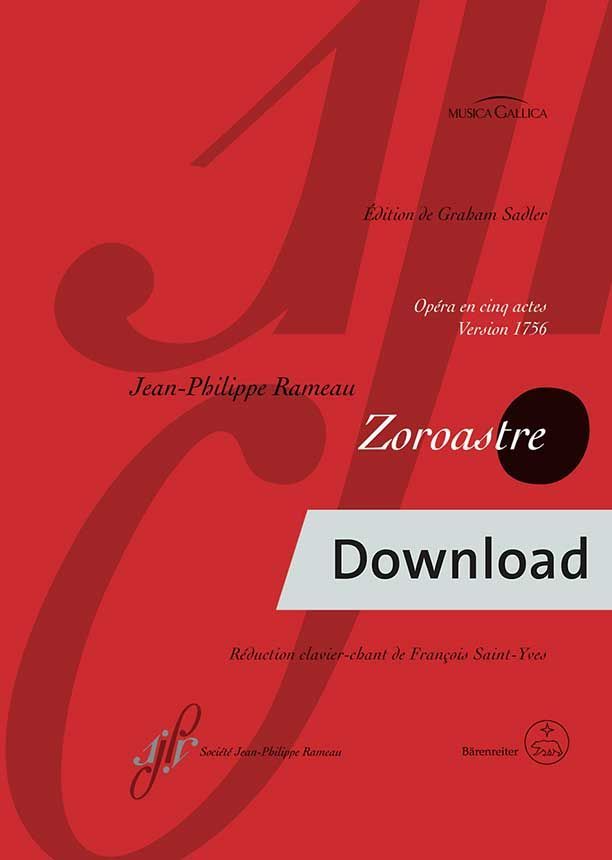
Zoroastre RCT 62 B
Opéra in 5 acts - version from 1756
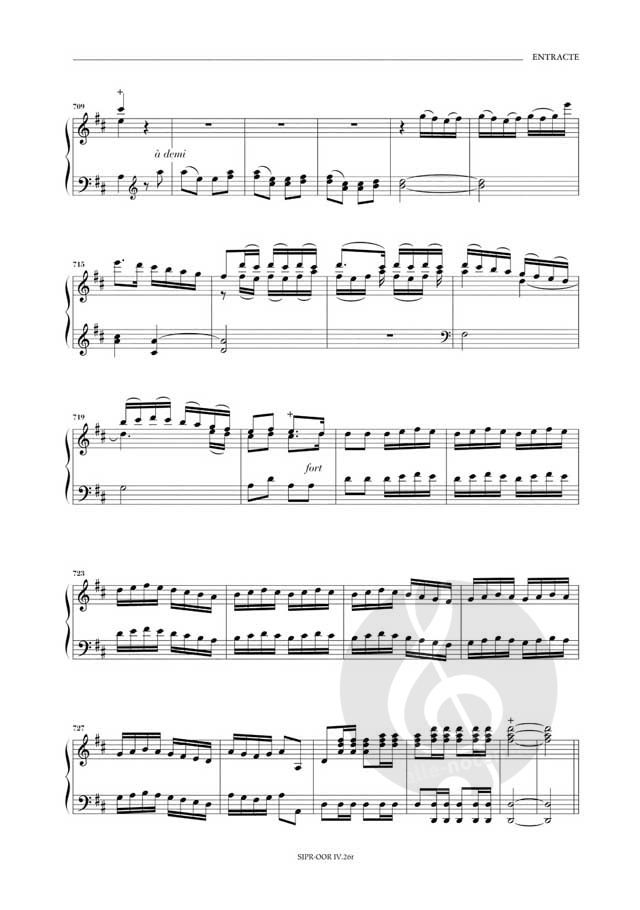
Jean-Philippe Rameau
Zoroastre RCT 62 B
Opéra in 5 acts - version from 1756
- Instrumentation Soloists, Choir and Orchestra
- Composer Jean-Philippe Rameau
- Editor François Saint-Yves
- Editor Graham Sadler
- Lyricist Louis de Cahusac
- Edition Piano reduction Download (Urtext)
- Publisher Bärenreiter Verlag
- Order no. BA8867-90-DL
 immediately available
Download immediately after ordering
incl. tax,
excl. shipping costs
Not available in all countries. Learn more

Description:
Richer than ever - Rameau's "Zoroastre" in the 1756 version
Rameau's revised version of his opera "Zoroastre", which was performed and heard at the Académie royale de musique between January 20, 1756 and March 26, 1757, was generally very well received. And even from today's perspective, many of the changes prove to be a dramatic gain, as the work appears musically richer and more tightly constructed than the original from 1749. The theme of the libretto, taken from ancient Persian sources, is a timeless one: the battle between good and evil. Good is represented by the religious reformer Zoroastre, a representative of the supreme being of light, Orosmade. He is opposed by the ambitious sorcerer Abramane, who serves Ariman, the spirit of darkness.
The opera contains some of Rameau's most ecstatic and spiritual musical numbers, such as the episode of sun worship in Act 3 with the sublime "Hymne à la Lumière", which was omitted from the 1756 revival for unknown reasons. It is therefore included in the present Bärenreiter edition as Appendix 3. Incidentally, with "Zoroastre" the prologue, which had been customary in French opera since its beginnings in the 1670s, was abolished. Instead, Rameau was the first to use an overture that prepares for the entire drama, thus anticipating Gluck's operatic reform by many years.
Rameau's revised version of his opera "Zoroastre", which was performed and heard at the Académie royale de musique between January 20, 1756 and March 26, 1757, was generally very well received. And even from today's perspective, many of the changes prove to be a dramatic gain, as the work appears musically richer and more tightly constructed than the original from 1749. The theme of the libretto, taken from ancient Persian sources, is a timeless one: the battle between good and evil. Good is represented by the religious reformer Zoroastre, a representative of the supreme being of light, Orosmade. He is opposed by the ambitious sorcerer Abramane, who serves Ariman, the spirit of darkness.
The opera contains some of Rameau's most ecstatic and spiritual musical numbers, such as the episode of sun worship in Act 3 with the sublime "Hymne à la Lumière", which was omitted from the 1756 revival for unknown reasons. It is therefore included in the present Bärenreiter edition as Appendix 3. Incidentally, with "Zoroastre" the prologue, which had been customary in French opera since its beginnings in the 1670s, was abolished. Instead, Rameau was the first to use an overture that prepares for the entire drama, thus anticipating Gluck's operatic reform by many years.
Here is how the download works:
1 Buy download sheet music
Purchase the download score from our online store
2 Order confirmation with download link
Immediately after completing your order, you will receive an order confirmation by email listing all items. You will find the download link next to each item. You can use this link to start the download right away. Please also check your spam folder if necessary.
Customers rated this product:
Manufacturer Information:
Bärenreiter-Verlag Karl Vötterle GmbH & Co. KG
Heinrich-Schütz-Allee 35-37
34131
Kassel
Deutschland
Other customers also bought:
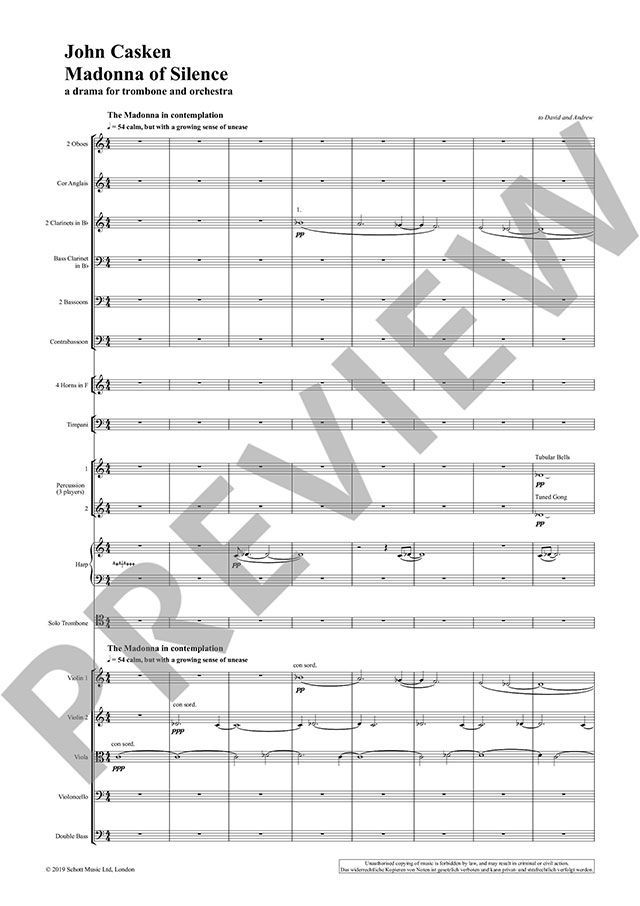
- Trombone and Orchestra
- Study Score
-
in stock
ships within 1-2 working days - Also available for download!
Magnus Lindberg
- Cello and Orchestra
- Study Score
-
in stock
ships within 1-2 working days
Sergei Prokofjew
- Orchestra
- Study Score
-
in stock
ships within 1-2 working days