
Nicolas Chédeville
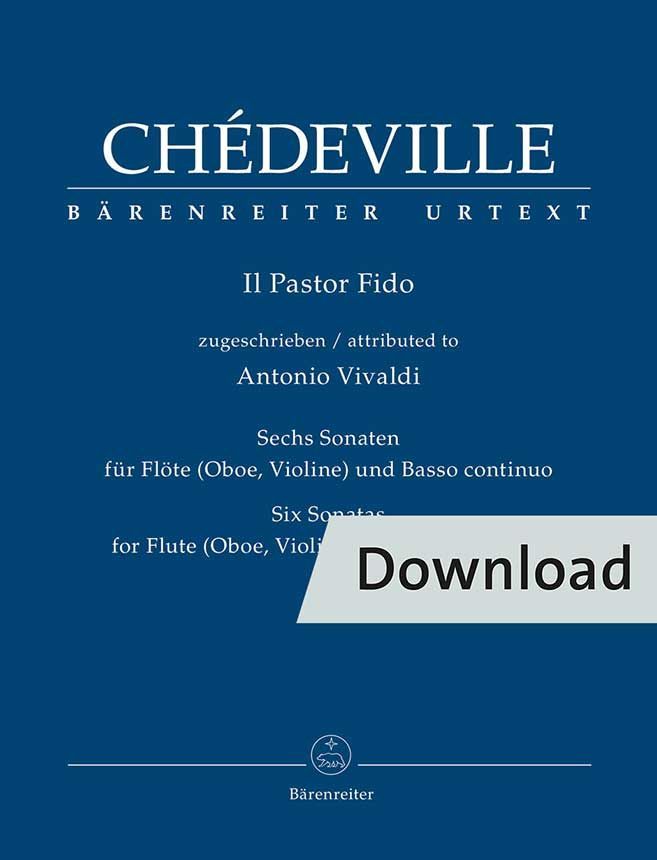
Il pastor fido
Six sonatas for musette, hurdy-gurdy, flute, oboe or violin and basso continuo - attributed to Antonio Vivaldi

Nicolas Chédeville
Il pastor fido
Six sonatas for musette, hurdy-gurdy, flute, oboe or violin and basso continuo - attributed to Antonio Vivaldi
- Instrumentation Flute and Continuo
- Optional Instrumentation Violin and Continuo
- Composer Nicolas Chédeville
- Series Bärenreiter Urtext
- Editor Federico Maria Sardelli
-
Difficulty Level
- Edition Piano Score and Part(s) Download (Urtext)
- Publisher Bärenreiter Verlag
- Order no. BA8735-DL
 immediately available
Download immediately after ordering
incl. tax,
excl. shipping costs
Not available in all countries. Learn more
Description:
It was not until 1990 - more than 250 years after the publication of the Pastor fido - that the masterful forgery was discovered: It was not Antonio Vivaldi, but the French composer Nicolas Chédeville (1705-1782) who was the author of this sonata collection, which was cleverly foisted on the unsuspecting Parisian public in the mid-18th century at the height of Vivaldi's popularity in France. Vivaldi himself never found out about the misuse of his name and his musical ideas.
Il Pastor fido offers a 'mélange' of very simple movements and gallantries in the French style as well as some thoroughly original movements with exceptionally fine music and powerful compositional ideas. About ninety percent of Il Pastor Fido is Chédeville's own work; for the rest he used themes from Vivaldi (or those he considered to be) and their continuation, demonstrating a thorough knowledge of the style he was trying to imitate.
As with all of Chédeville's other works and numerous other collections from the period, the original title names a number of instruments, all of which are suitable for performing these sonatas: Musette, hurdy-gurdy, flute, oboe and violin. While the first two have long since gone out of fashion as popular instruments at the time, adapted to the Arcadian sensibilities of the Age of Enlightenment, today the flute is particularly suitable for realizing the pastoral character of the music noted in the title of the collection (Il Pastor fido - The Faithful Shepherd).
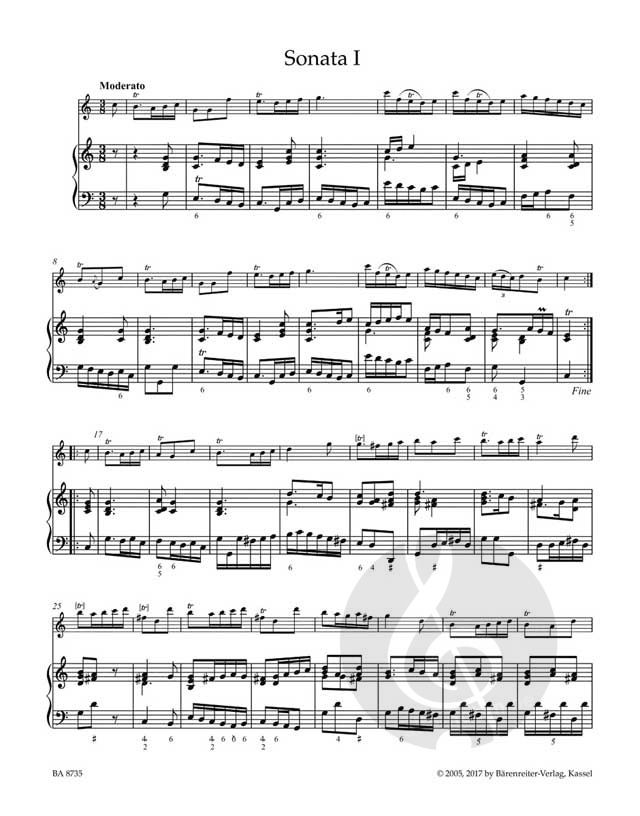
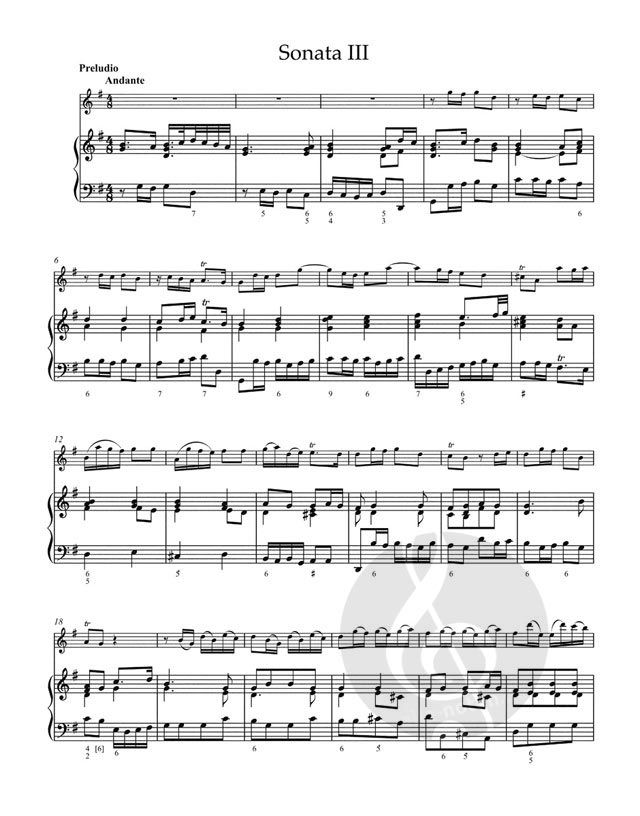
The BÄRENREITER Urtext edition was presented by the renowned Vivaldi researcher and conductor Federico Maria Sardelli. In addition to the musical text of the six sonatas, it contains a detailed preface (German/English) which tells the exciting story of the forgery and illustrates the compositional ingredients, as well as inspiring notes on performance practice and a Critical Report with notes on the source readings and editorial decisions.
> Bärenreiter Urtext edition by Federico Maria Sardelli
> Preface and Critical Report (German/English)
>> Inspiring notes on performance practice
Il Pastor fido offers a 'mélange' of very simple movements and gallantries in the French style as well as some thoroughly original movements with exceptionally fine music and powerful compositional ideas. About ninety percent of Il Pastor Fido is Chédeville's own work; for the rest he used themes from Vivaldi (or those he considered to be) and their continuation, demonstrating a thorough knowledge of the style he was trying to imitate.
As with all of Chédeville's other works and numerous other collections from the period, the original title names a number of instruments, all of which are suitable for performing these sonatas: Musette, hurdy-gurdy, flute, oboe and violin. While the first two have long since gone out of fashion as popular instruments at the time, adapted to the Arcadian sensibilities of the Age of Enlightenment, today the flute is particularly suitable for realizing the pastoral character of the music noted in the title of the collection (Il Pastor fido - The Faithful Shepherd).
The BÄRENREITER Urtext edition was presented by the renowned Vivaldi researcher and conductor Federico Maria Sardelli. In addition to the musical text of the six sonatas, it contains a detailed preface (German/English) which tells the exciting story of the forgery and illustrates the compositional ingredients, as well as inspiring notes on performance practice and a Critical Report with notes on the source readings and editorial decisions.
> Bärenreiter Urtext edition by Federico Maria Sardelli
> Preface and Critical Report (German/English)
>> Inspiring notes on performance practice
Here is how the download works:
1 Buy download sheet music
Purchase the download score from our online store
2 Order confirmation with download link
Immediately after completing your order, you will receive an order confirmation by email listing all items. You will find the download link next to each item. You can use this link to start the download right away. Please also check your spam folder if necessary.
Customers rated this product:
Manufacturer Information:
Bärenreiter-Verlag Karl Vötterle GmbH & Co. KG
Heinrich-Schütz-Allee 35-37
34131
Kassel
Deutschland
Related products:
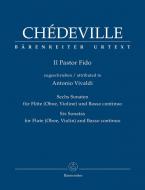
Nicolas Chédeville
for Flute, Oboe or Violin and Basso continuo - attributed to Antonio Vivaldi
- Flute and Continuo
- Piano Score and Part(s) (Urtext)
- Bärenreiter Verlag
-
-
in stock
ships within 1-2 working days - Also available for download!
Other customers also bought:
Herbert Baumann
- Hammered Dulcimer
- Score
-
ships within 4-8 working days
- Flute and Piano
- Piano Score and Part(s)
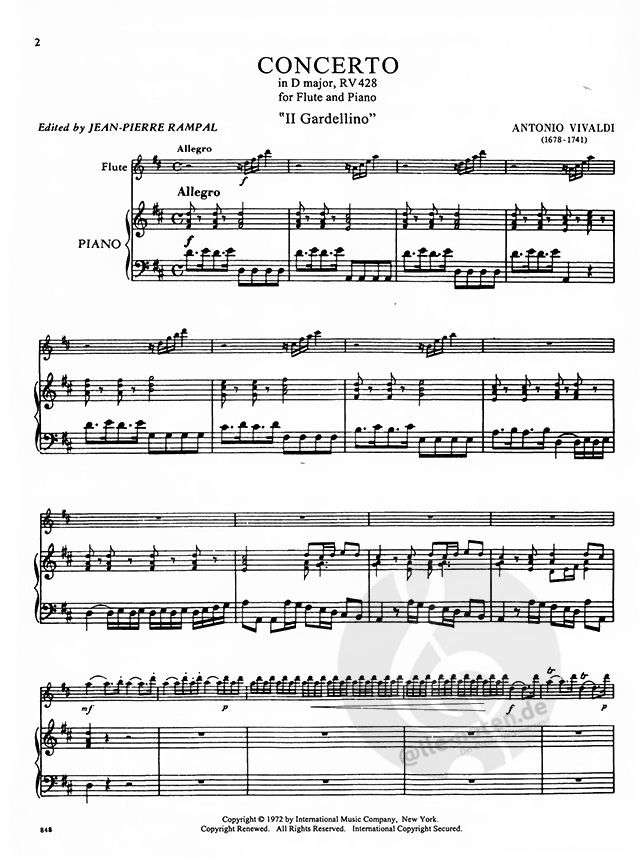
- Jean-Pierre Rampal
-
in stock
ships within 1-2 working days
- Flute and Piano
- Sheet Music
-
in stock
ships within 1-2 working days
6 Stücke von Enrique Granados, Pablo de Sarasate und Isaac Albeniz
- Flute and Piano
- Piano Score and Part(s)
- Fereshteh Rahbari
-
in stock
ships within 1-2 working days
- Flute and Piano
- Score and Parts
-
in stock
ships within 1-2 working days
André Ernest Modeste Grétry
- Flute and Piano
- Sheet Music
- Jean-Pierre Rampal
-
in stock
ships within 1-2 working days
- Flute and Piano
- Sheet Music
-
in stock
ships within 1-2 working days
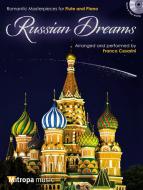
Peter Iljitsch Tschaikowsky, Sergei Rachmaninow, Modest Mussorgski, Alexander Glasunow
- Flute and Piano
- Sheet Music and CD
- Franco Cesarini
-
in stock
ships within 1-2 working days
- Flute
- Sheet Music (Urtext)
-
in stock
ships within 1-2 working days - Also available for download!
- Flute and Piano
- Piano reduction with part(s)
- Rien de Reede
-
in stock
ships within 1-2 working days
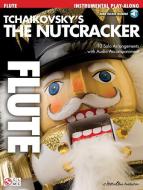
Peter Iljitsch Tschaikowsky
10 Solo Arrangements with Audio Accompaniment
- Flute
- Sheet Music and Online Audio
-
in stock
ships within 1-2 working days
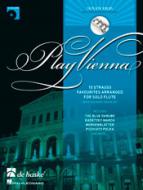





Johann Strauss (Sohn)
10 Strauss favourites arranged for solo flute with backing track CD
- Flute
- Sheet Music and CD
-
in stock
ships within 1-2 working days

- Flute and Continuo
- Sheet Music
-
ships within 4-8 working days
Ignaz Pleyel
- Flute and Piano
- Sheet Music
- Jean-Pierre Rampal
-
in stock
ships within 1-2 working days
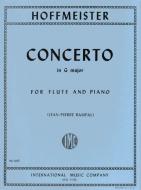
Franz Anton Hoffmeister
- Flute and Piano
- Sheet Music
- Jean-Pierre Rampal
-
in stock
ships within 1-2 working days